

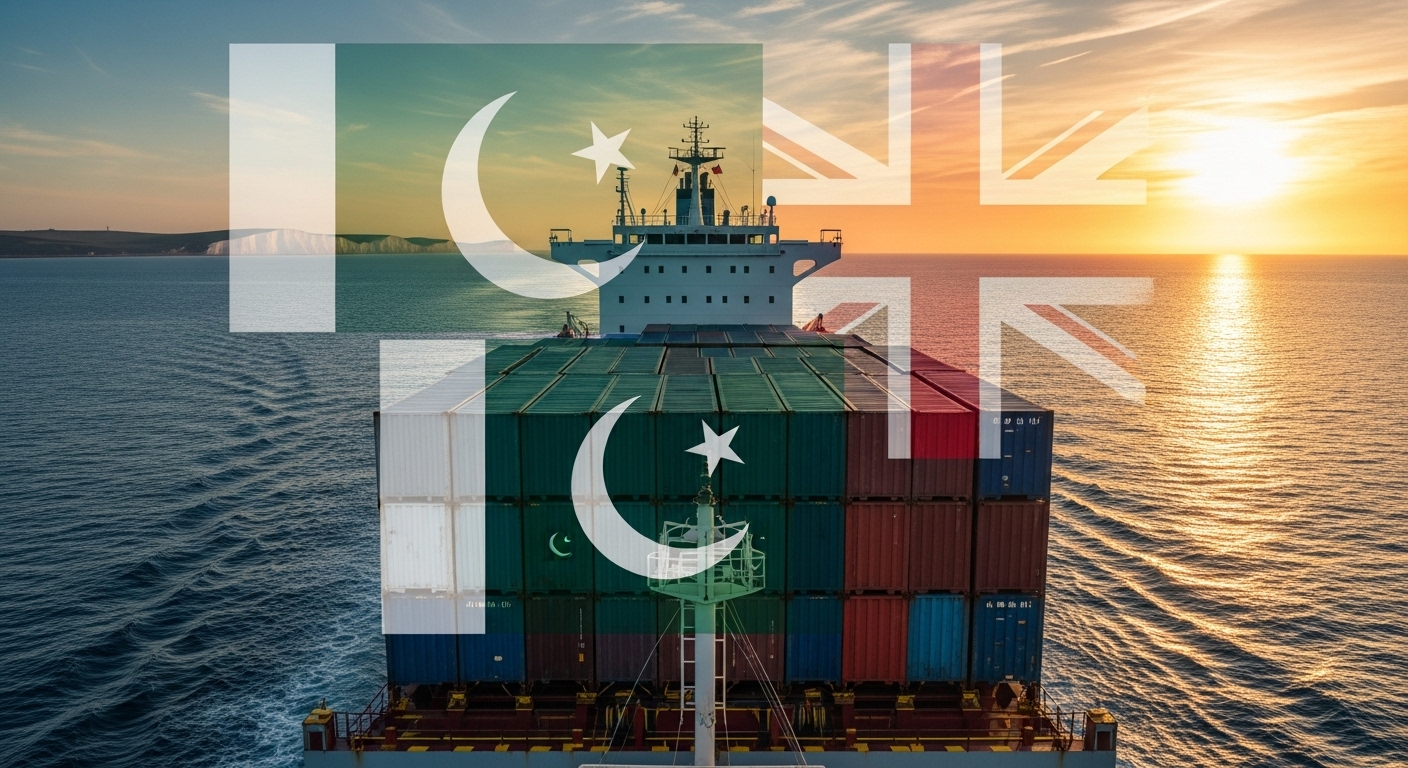
Sea freight Pakistan to UK: Your Ultimate Guide
When considering international trade, sea freight Pakistan to UK stands out as a critical logistics solution. It offers a cost-effective and reliable method for transporting large volumes of goods across continents. This comprehensive guide will explore every facet of shipping from Pakistan to the United Kingdom by sea, ensuring you are well-prepared for a smooth process. Therefore, understanding the intricacies of this route is paramount for businesses and individuals alike.
Why Choose Sea Freight from Pakistan to the UK?
Sea freight presents numerous advantages, particularly for the long-distance route between Pakistan and the UK. Firstly, it is significantly more economical than air freight, especially for heavy or bulky cargo. This cost-efficiency allows businesses to maintain competitive pricing for their products. Secondly, sea freight offers immense capacity; large vessels can transport thousands of containers, accommodating a wide range of goods from raw materials to finished products. Moreover, it is generally considered a more environmentally friendly option compared to air transport, which appeals to businesses focused on sustainability. Consequently, many importers and exporters prefer this mode of transport for its practical benefits.
Key Benefits of Sea Freight:
- Cost-Effectiveness: Lower per-unit cost for large shipments.
- High Capacity: Ability to move substantial volumes of goods.
- Versatility: Suitable for almost any type of cargo, including oversized items.
- Environmental Impact: Reduced carbon footprint per ton-mile compared to air freight.
- Reliability: Established routes and schedules ensure predictable transit times.
Key Factors Influencing Sea Freight Pakistan to UK
Several critical factors impact the planning and execution of sea freight Pakistan to UK. Understanding these elements helps in making informed decisions and managing expectations effectively. These factors range from the type of cargo to the chosen shipping method.
Cost
The cost of sea freight is influenced by multiple variables. These include the volume and weight of your cargo, the type of container (e.g., FCL or LCL), port charges, fuel surcharges, and customs duties. Furthermore, additional services like inland transportation and warehousing will add to the overall expense. Therefore, obtaining detailed quotes from various freight forwarders is essential to compare prices accurately.
Transit Time
Transit times for sea freight Pakistan to UK typically range from 25 to 40 days, depending on the specific ports, shipping line, and route. Direct services are faster, whereas routes involving transshipment points will naturally take longer. Weather conditions and port congestion can also cause delays. Consequently, planning well in advance and allowing buffer time is always advisable.
Cargo Type
The nature of your cargo dictates the type of container and handling required. Dry goods, refrigerated items, hazardous materials, and oversized cargo each have specific requirements. For instance, perishable goods need refrigerated containers (Reefers), while dangerous goods demand specialized handling and documentation. Knowing your cargo’s characteristics is crucial for safe and compliant shipping.
Reliability and Security
Modern shipping practices and technologies have significantly enhanced the reliability and security of sea freight. Containers offer robust protection against theft and damage. However, choosing a reputable freight forwarder and ensuring proper insurance coverage are still vital steps. This proactive approach safeguards your investment throughout the journey.
The Sea Freight Process: Step-by-Step
Navigating the process of sea freight Pakistan to UK can seem daunting, but breaking it down into manageable steps simplifies the journey. Each stage requires careful attention to detail and coordination.
1. Booking Your Shipment
The first step involves contacting a freight forwarder to book your shipment. You will need to provide details about your cargo, including its dimensions, weight, type, and desired transit time. The forwarder will then provide a quote and confirm vessel availability. Therefore, accurate information at this stage prevents future complications.
2. Packaging and Labeling
Proper packaging is crucial for protecting your goods during transit. Use sturdy materials, adequately cushion items, and seal everything securely. Furthermore, each package must be clearly labeled with the consignee’s address, contact information, and any special handling instructions. Correct labeling ensures efficient sorting and delivery.
3. Inland Haulage
Once packaged, your goods need to be transported from their origin point in Pakistan to the port of loading. This is known as inland haulage and can be done via truck or rail. The freight forwarder typically arranges this leg of the journey. Consequently, efficient inland transport minimizes delays before the ocean voyage.
4. Port Operations and Loading
At the port, your cargo undergoes various checks and is loaded onto the vessel. If shipping Less than Container Load (LCL), your goods will be consolidated with other shipments into a shared container. Full Container Load (FCL) shipments, conversely, occupy an entire container. The container is then loaded onto the ship using specialized cranes.
5. Ocean Transit
This is the longest part of the journey, where the vessel sails from Pakistan to the UK. During transit, the shipping line tracks the container’s progress. While direct communication with the vessel is limited, your freight forwarder will provide updates on its estimated arrival. Patience is key during this phase.
6. Arrival and Unloading in the UK
Upon arrival at a UK port (e.g., Felixstowe, Southampton, London Gateway), the vessel is unloaded. Your container is then moved to a container yard for customs clearance. This marks the beginning of the final stages of the shipping process.
Documentation Required for Sea Freight
Accurate and complete documentation is absolutely essential for smooth sea freight Pakistan to UK. Missing or incorrect documents can lead to significant delays and penalties. Hence, meticulous preparation is non-negotiable.
Bill of Lading (BOL)
The Bill of Lading is the most important document in sea freight. It serves as a contract of carriage between the shipper and the carrier, a receipt for the goods, and a document of title. It contains details about the cargo, shipper, consignee, and terms of shipment. Therefore, ensure all information on the BOL is precise.
Commercial Invoice
This document details the transaction between the seller and the buyer. It includes descriptions of the goods, quantity, unit price, total value, and terms of sale. Customs authorities use the commercial invoice to assess duties and taxes. Accuracy here is paramount for customs clearance.
Packing List
The packing list provides a detailed inventory of the contents of each package within the shipment. It specifies the quantity, type of goods, and dimensions for each box or pallet. This helps customs officials verify the cargo and assists the consignee in checking the delivery. It complements the commercial invoice by offering specific physical details.
Certificate of Origin
This document certifies the country where the goods were manufactured or produced. It is often required for customs purposes to determine eligibility for preferential tariffs under trade agreements. Always check if a Certificate of Origin is necessary for your specific goods.
Other Potential Documents:
- Export/Import Licenses: Required for certain restricted goods.
- Phytosanitary Certificates: For agricultural products.
- Dangerous Goods Declaration: If shipping hazardous materials.
- Insurance Certificate: Proof of cargo insurance.
Choosing the Right Freight Forwarder
Selecting a reliable freight forwarder is perhaps the most critical decision when undertaking sea freight Pakistan to UK. A good forwarder acts as your logistics partner, managing the complexities of international shipping on your behalf. They handle everything from booking cargo space to customs clearance. Therefore, due diligence is essential in this selection process.
What to Look For:
- Experience: Choose a forwarder with proven experience on the Pakistan-UK route.
- Reputation: Look for positive reviews and industry recognition.
- Network: A strong network of agents and partners in both countries is beneficial.
- Services Offered: Ensure they provide all the services you need, including warehousing, customs brokerage, and inland transport.
- Communication: Effective communication is key; they should provide regular updates and be responsive to your queries.
- Insurance Options: Discuss their cargo insurance offerings and recommendations.
- Pricing Transparency: A reputable forwarder will provide clear, itemized quotes without hidden fees.
Customs Clearance and Delivery in the UK
Once your goods arrive in the UK, they must undergo customs clearance before final delivery. This is a critical stage that requires accurate documentation and compliance with UK import regulations. Your chosen freight forwarder or a dedicated customs broker will typically manage this process. However, understanding the basics helps you prepare.
The Customs Clearance Process:
- Declaration: The import declaration is submitted to UK customs (HMRC), detailing the goods, their value, and origin.
- Duty and Tax Assessment: Customs assesses applicable import duties and VAT based on the commodity code (HS Code) and declared value. These must be paid before goods can be released.
- Inspection (if required): Occasionally, customs may select a shipment for physical inspection. This can cause minor delays.
- Release: Once duties and taxes are paid and all checks are complete, customs releases the cargo.
After customs clearance, your freight forwarder arranges for the final delivery of your goods from the port to your designated address in the UK. This last mile delivery ensures your products reach their final destination safely. Consequently, the entire process, from origin to destination, is carefully managed to ensure efficiency.
Frequently Asked Questions (FAQs)
1. How long does sea freight from Pakistan to the UK take?
Sea freight from Pakistan to the UK typically takes 25–40 days, depending on the port of origin (Karachi or Port Qasim), the destination port in the UK, weather conditions, and customs clearance time.
2. What goods can be shipped from Pakistan to the UK by sea?
Commonly shipped items include textiles, garments, leather goods, rice, sports goods, machinery, furniture, and personal effects. Restricted or prohibited items require special permissions.
3. What is the cost of sea freight from Pakistan to the UK?
Costs depend on factors such as container size (FCL or LCL), cargo weight, volume, shipping route, and fuel charges. Sea freight is generally the most cost-effective option for bulk shipments.
4. What documents are required for sea freight shipping?
Key documents include a Bill of Lading, Commercial Invoice, Packing List, Certificate of Origin, and Customs Declaration. Additional documents may be needed based on cargo type.
5. Is sea freight better than air freight for UK shipments?
Yes, sea freight is ideal for large, heavy, or non-urgent shipments due to lower costs, while air freight is faster but more expensive.
Conclusion
Sea freight from Pakistan to the UK is a reliable, economical, and efficient shipping solution for businesses and individuals transporting bulk goods. With proper documentation, the right container choice, and a trusted freight forwarder, you can ensure smooth delivery and cost savings. Whether you’re exporting commercial cargo or personal items, sea freight remains the preferred option for long-distance international shipping.
want to read more articles click here
all credit goes to UDM