

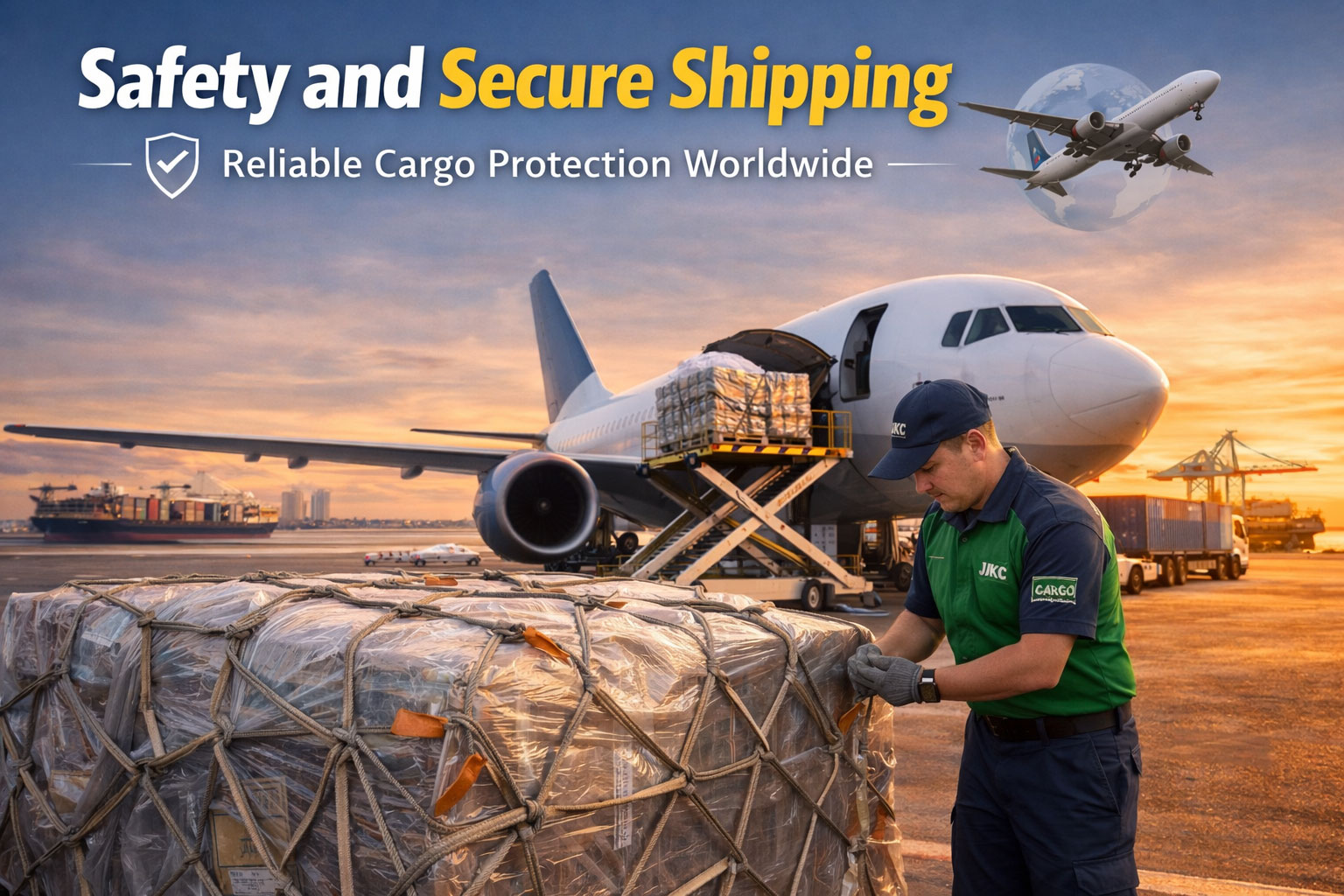
Safety and Secure Shipping – Reliable Cargo Protection Worldwide
Welcome to the bustling, interconnected world of global trade! Every day, countless goods traverse oceans, continents, and time zones, making their way from manufacturers to consumers. From delicate electronics and vital pharmaceuticals to everyday apparel and industrial machinery, the journey of each item is a testament to modern logistics. But beneath this intricate dance of supply chains lies a critical, often underestimated, challenge: ensuring the safety and secure shipping of every single piece of cargo.
For businesses, the integrity of their shipments isn’t just about avoiding financial loss; it’s about maintaining reputation, customer trust, and operational efficiency. For individuals, it’s the peace of mind that their precious, long-awaited item will arrive exactly as expected.
This comprehensive guide is designed to empower you with the knowledge and tools you need.
Understanding the Risks: What Makes Cargo Vulnerable?
Before we can build robust defenses, we must first understand the threats. The journey of cargo is fraught with potential hazards, each capable of compromising the integrity, security, or timely delivery of your goods. Identifying these vulnerabilities is the first step towards achieving true safety and secure shipping.
Theft and Pilferage
Cargo theft remains a pervasive and costly problem worldwide. It’s not just about entire containers disappearing from ports; it encompasses a spectrum of illicit activities:
- Port Thefts: Organized crime rings often target high-value goods directly from busy ports, leveraging insider information or exploiting security gaps.
- In-Transit Losses: Truck hijackings, trailer break-ins at unsecured parking lots, or even “phantom freight” scams where criminals pose as legitimate carriers are common occurrences.
- Warehouse Pilferage: Employees or external individuals can steal smaller items from warehouses or distribution centers.
- Targeted Goods: High-value, easily resellable items like electronics, pharmaceuticals, designer clothing, and even certain food products are frequent targets due to their liquidity on the black market. The impact extends beyond the immediate loss, often disrupting supply chains and delaying crucial deliveries.
Damage During Transit
Even without malicious intent, cargo can suffer significant damage. The dynamic environment of shipping exposes goods to various physical and environmental stressors:
- Rough Handling: Packages being dropped, stacked improperly, or mishandled during loading and unloading are common culprits.
- Improper Packing: Insufficient cushioning, weak boxes, or incorrect internal dunnage can lead to goods shifting, colliding, or breaking within their packaging.
- Environmental Factors:
- Temperature Fluctuations: Perishable goods, chemicals, and electronics are highly susceptible to extreme heat or cold. Think about medicines losing efficacy or sensitive components failing due to thermal shock.
- Humidity and Moisture: Condensation (container rain), leaks, or exposure to high humidity can lead to mold, rust, and degradation of packaging and products.
- Vibration and Shock: Constant vibrations during road, rail, or sea transit, along with sudden impacts, can cause fatigue damage to products or lead to structural failure of packaging.
Customs Delays and Non-Compliance Issues
Navigating international borders is a complex undertaking. Errors in documentation or non-compliance with regulations can bring your shipment to a grinding halt:
- Incorrect Documentation: Missing or inaccurate commercial invoices, packing lists, bills of lading, or certificates of origin are prime reasons for customs hold-ups.
- Undeclared Items: Failing to declare all contents, especially restricted or prohibited goods, can lead to severe penalties, confiscation, and significant delays.
- Failing to Meet International Regulations: Different countries have unique import/export laws, product standards, and labeling requirements. A lack of understanding can result in fines, re-export mandates, or even destruction of goods.
Natural Disasters and Unforeseen Events
While unpredictable, some risks can be planned for, or at least mitigated:
- Extreme Weather: Hurricanes, blizzards, floods, and typhoons can disrupt shipping lanes, close ports, and damage infrastructure, causing significant delays or losses.
- Accidents: Collisions, derailments, or vessel groundings, though rare, can have catastrophic consequences for cargo.
- Geopolitical Instability: Civil unrest, strikes, or political sanctions in transit countries can suddenly make routes impassable or unsafe.
- Pandemics: As recent history has shown, global health crises can severely impact labor availability, port operations, and overall supply chain fluidity.
Cybersecurity Threats
In our increasingly digital world, the threat isn’t always physical. Cyberattacks pose a growing risk to the logistics sector:
- Digital Attacks on Logistics Systems: Ransomware, phishing, and denial-of-service attacks can cripple tracking systems, disrupt scheduling, and halt operations.
- Tracking and Sensitive Data: Breaches can expose sensitive shipment information, customer data, and proprietary business details, leading to identity theft, financial fraud, or competitive disadvantage.
- Supply Chain Manipulation: Malicious actors could potentially alter shipment instructions, divert cargo, or corrupt data, leading to severe operational and security implications.
Understanding these multifaceted risks is the bedrock of developing an effective strategy for safety and secure shipping. It allows businesses to move from reactive problem-solving to proactive risk management.
Pillars of Safety and Secure Shipping: Best Practices for Cargo Protection
Building a fortress around your cargo requires a multi-layered approach, combining meticulous planning, robust physical measures, and intelligent digital solutions. These pillars form the foundation of effective safety and secure shipping.
Robust Packaging and Crating
The first line of defense is how your goods are packed. It’s not just about aesthetics; it’s about engineering protection:
- Choosing the Right Materials: Selecting sturdy corrugated cardboard, wooden crates, or specialized plastic containers tailored to the cargo’s weight, fragility, and destination environment.
- Utilizing Effective Cushioning: Employing materials like foam inserts, bubble wrap, air pillows, or shredded paper to absorb shock, fill voids, and prevent movement within the package.
- Understanding Load Distribution: Ensuring weight is evenly distributed within the package and across the pallet to prevent tipping, crushing, or shifting. For heavy or oddly shaped items, custom crating and blocking/bracing within containers are non-negotiable.
- Environmental Protection: Using moisture barriers, desiccants, or insulated liners for goods sensitive to humidity or temperature fluctuations.
Advanced Tracking and Monitoring Systems
Knowing where your shipment is and its condition in real-time is no longer a luxury; it’s a fundamental requirement for safety and secure shipping.
- Leveraging GPS: Provides precise location data, allowing you to track your cargo’s journey across land, sea, and air.
- IoT Sensors: These small, powerful devices can monitor a myriad of conditions:
- Temperature and Humidity: Crucial for perishables, pharmaceuticals, and sensitive electronics. Alerts can be triggered if conditions deviate from safe parameters.
- Vibration and Shock: Detects rough handling or impacts, providing data for damage claims and identifying problematic transit points.
- Light Exposure: Indicates if a container or package has been opened unexpectedly.
- Door Open/Close Sensors: Alerts to unauthorized access.
- Real-time Data and Alerts: Integrated platforms provide dashboards for monitoring, sending instant notifications for deviations, delays, or potential security breaches, enabling rapid intervention.
Strategic Route Planning and Risk Assessment
Proactive planning can significantly mitigate risks. This involves more than just finding the shortest path:
- Identifying High-Risk Areas: Researching crime statistics, political instability, and historical incident data for potential transit routes. Avoiding known hotspots or implementing enhanced security measures when passing through them.
- Considering Political Stability: Understanding geopolitical landscapes and potential for unrest or sanctions that could impact routes or port access.
- Optimizing Transit Times: While not always about speed, reducing transit time can lessen exposure to risks. This also involves selecting reliable carriers with proven on-time performance.
- Contingency Planning: Developing alternative routes, backup carriers, and emergency protocols for unforeseen events like strikes, natural disasters, or major accidents.
Comprehensive Insurance Coverage
Even with the best precautions, incidents can occur. Cargo insurance acts as a vital financial safety net.
- Understanding Different Types:
- All-Risk Coverage: The most comprehensive, covering all perils unless specifically excluded (e.g., acts of war, nuclear events).
- Named Perils Coverage: Covers only specific risks explicitly listed in the policy (e.g., fire, collision, theft). Less comprehensive but can be suitable for low-risk goods.
- Warehouse-to-Warehouse: Coverage typically extends from the point of origin warehouse to the final destination warehouse.
- Why It’s Vital: While it doesn’t prevent loss, it protects your financial investment, covering the value of lost or damaged goods and potentially associated costs like salvage or disposal. Never assume your carrier’s liability coverage is sufficient; it often has significant limitations.
Effective Documentation and Compliance
Paperwork might seem tedious, but it’s the backbone of smooth and secure international shipping.
- Ensuring Accuracy and Completeness: Every document – customs declarations, commercial invoices, packing lists, bills of lading, export/import permits, certificates of origin, and safety data sheets (for HazMat) – must be meticulously accurate and complete. Small errors can lead to major delays, fines, or even cargo seizure.
- Preventing Delays and Legal Issues: Proactive management of documentation is key to swift customs clearance and avoiding costly penalties.
Technology and Innovation in Enhancing Cargo Security
The digital revolution has ushered in an era of unprecedented capabilities for enhancing cargo security.
Smart Seals and Locks
Gone are the days of simple, easily tampered seals. Today’s smart seals provide real-time intelligence:
- Tamper-Evident Design: Many seals are designed to visibly break or deform if an attempt is made to open them, providing immediate physical evidence of interference.
- Electronically Monitored Seals: These seals incorporate GPS and cellular technology, sending real-time alerts if a container door is opened unexpectedly, if the seal is cut, or if the container deviates from its planned route. They can also log opening and closing times, creating an audit trail.
- Remote Locking/Unlocking: Some advanced systems allow for remote control of locks, adding another layer of security and operational flexibility.
AI and Machine Learning for Risk Prediction
Artificial Intelligence (AI) and Machine Learning (ML) are transforming risk management in logistics:
- Utilizing Data Analytics: AI algorithms can process vast amounts of data – historical theft incidents, weather patterns, traffic data, geopolitical events, customs clearance times, and even social media sentiment – to identify patterns and anomalies.
- Predicting Potential Threats: By analyzing these patterns, AI can predict areas or routes with higher risk of theft, delays, or adverse environmental conditions, allowing for proactive adjustments to routes, security measures, or scheduling.
- Optimizing Safety Protocols: ML can learn from past incidents and successful security measures to continuously refine and optimize safety and secure shipping protocols, making them more adaptive and effective. This moves security from reactive to predictive.
FAQs
1. What makes shipping safe and secure?
Safe and secure shipping involves proper packaging, careful handling, and reliable transportation methods. Professional cargo companies use protective materials and tracking systems to ensure shipments remain protected throughout the journey.
2. How is cargo protected during international shipping?
Cargo is protected through strong packing, secure loading procedures, and experienced logistics handling. Many companies also provide tracking services so customers can monitor their shipments from pickup to final delivery.
3. Can I track my shipment during delivery?
Yes, most cargo services provide shipment tracking. This allows customers to check the location and status of their cargo in real time, giving peace of mind and transparency during the shipping process.
Conclusion
Safety and secure shipping is essential for ensuring that goods reach their destination without damage or delay. With proper handling, strong packaging, and reliable logistics systems, customers can trust that their cargo will be transported safely. Choosing a professional cargo service helps guarantee secure delivery and a smooth shipping experience for both personal and business shipments.
Contact JK Cargo today and get your free quote. Experience the most affordable, reliable, and professional cargo service Worldwide.
Want to know more about our Cargo Service? Check out our Blog for tips, updates, and everything you need to ship safely and quickly! Or Contact Us.