

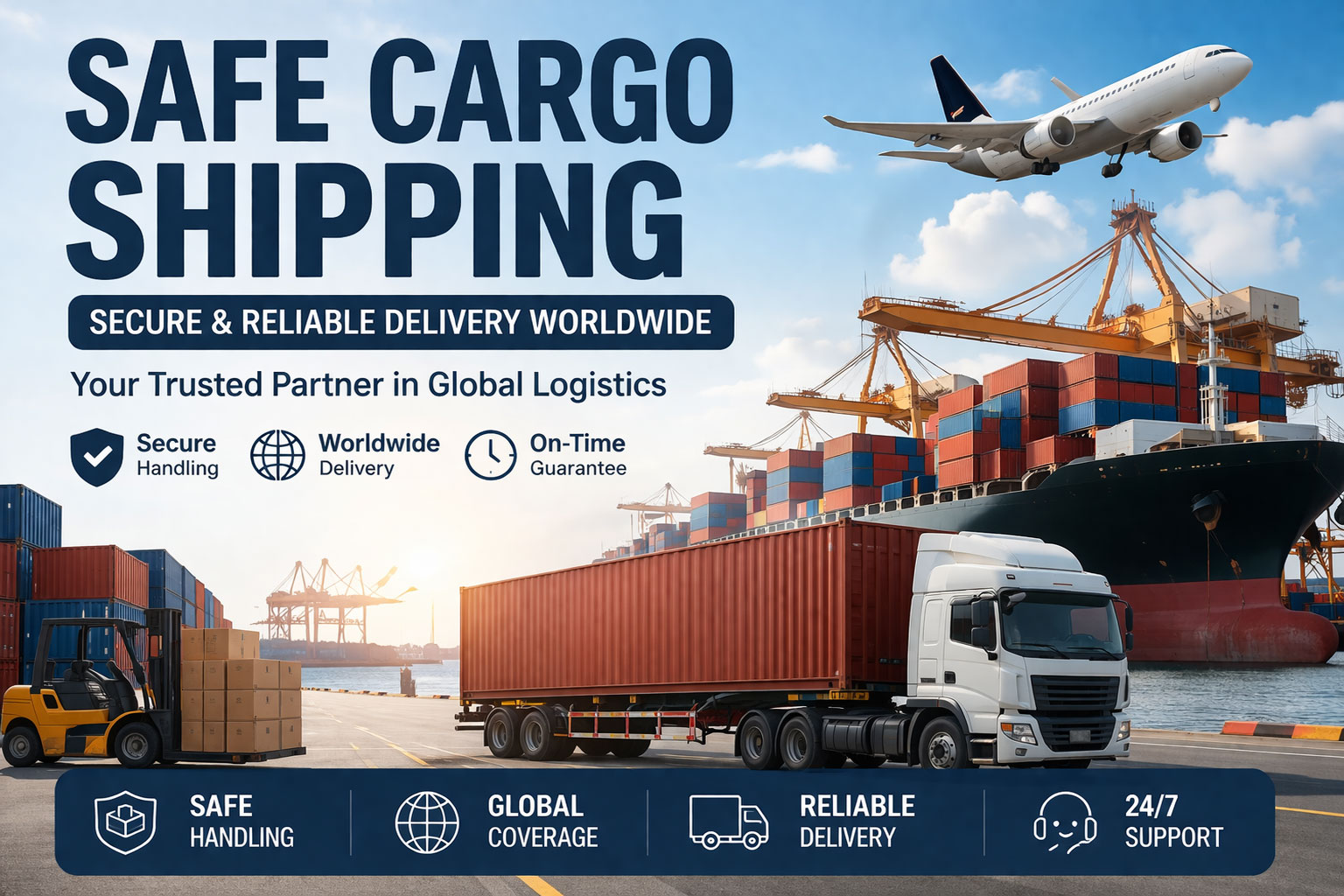
Safe Cargo Shipping – Secure & Reliable Delivery Worldwide
In a world that thrives on global commerce, the journey of goods from one corner of the planet to another is a complex ballet of logistics, technology, and human coordination. But beneath the surface of seamless transactions lies a critical, often underestimated, imperative: safe cargo shipping. It’s not just about getting your goods from A to B; it’s about ensuring they arrive intact, on time, and without incident. Whether you’re a bustling e-commerce entrepreneur, a seasoned logistics manager, or simply someone curious about how your favorite products reach you, understanding the nuances of secure and reliable delivery is more important now than ever. Let’s embark on a journey to demystify safe cargo shipping and equip you with the knowledge to protect your valuable shipments, no matter where they’re headed.
Why Safe Cargo Shipping Isn’t Just a “Nice-to-Have” Anymore
Gone are the days when a simple “ship it and hope for the best” approach was viable. Today, in our interconnected world, safe cargo shipping has transitioned from a mere operational detail to a strategic business imperative. The stakes are incredibly high, and the ripple effects of compromised shipments can be devastating.
The High Stakes of Global Trade
Imagine a container ship laden with thousands of dollars, or even millions, worth of goods. Now imagine that cargo is lost, damaged, or significantly delayed. The immediate impact is obvious: financial losses from ruined inventory, reshipping costs, and potential penalties for missed deadlines. But the damage extends far beyond the balance sheet. Reputational damage can be severe, eroding customer trust and making future business harder to secure. Nobody wants to be the company known for late or broken deliveries. Furthermore, in our just-in-time supply chains, a single disruption can trigger a domino effect, leading to supply chain disruptions that halt production lines, empty store shelves, and frustrate consumers globally. For businesses, this means lost sales, increased operational costs, and a significant competitive disadvantage.
Beyond the Bottom Line
While financial and reputational impacts are crucial, the importance of safe cargo shipping also extends to broader, non-monetary concerns. Consider the environmental impact of spills – especially with hazardous materials. A single container breach could lead to ecological disaster, costing millions in cleanup and causing irreparable harm to ecosystems. Then there are the safety hazards for workers handling compromised cargo or dealing with incidents, not to mention public safety if dangerous goods are released. Finally, ethical considerations are increasingly in focus.
The Evolving Threat Landscape
The world of logistics is dynamic, and so are its threats. Modern challenges demand sophisticated solutions for safe cargo shipping. Cargo theft remains a pervasive issue, evolving from opportunistic smash-and-grabs to highly organized crime syndicates leveraging sophisticated technology, including cyber threats to compromise tracking systems or divert shipments. Piracy, while perhaps less common in certain historical hotspots, still poses a significant risk in specific maritime regions, particularly for high-value goods. Beyond human threats, natural disasters – from hurricanes and tsunamis to earthquakes and wildfires – are becoming more frequent and intense, requiring robust contingency planning. And let’s not forget geopolitical instability, where conflicts, sanctions, or political unrest can instantly render established shipping lanes unsafe or impassable.
Peace of Mind for Everyone
Ultimately, investing in robust safe cargo shipping practices isn’t just about mitigating risks; it’s about fostering confidence and stability.This peace of mind allows companies to focus on innovation and growth, rather than constantly worrying about their supply chain vulnerabilities. It’s a win-win for everyone involved.
The Core Components of Truly Secure Cargo Shipping
Achieving truly safe cargo shipping is a multi-faceted endeavor, relying on a combination of physical measures, advanced technology, and meticulous planning. Let’s break down the key elements that form the bedrock of secure logistics.
Robust Packaging & Loading
This is where safe cargo shipping begins, often overlooked but absolutely fundamental.
- Selecting Appropriate Packaging Materials: This isn’t a one-size-fits-all decision. Fragile electronics need different protection than bulk commodities or liquids. Consider the cargo type, its fragility, weight, dimensions, and the mode of transportation. For instance, air freight often requires lighter, yet durable, packaging to save on weight costs, while ocean freight demands robust, weather-resistant materials. Corrugated cardboard, wooden crates, plastic pallets, and specialized cushioning materials all have their place.
- Proper Palletization, Bracing, Blocking, and Dunnage: Once packaged, goods need to be secured within the transport unit.
- Palletization ensures uniform handling and stacking, but it must be done correctly to prevent shifting.
- Bracing uses structural supports to prevent movement.
- Blocking fills gaps with solid materials.
- Dunnage (airbags, foam, cardboard) absorbs shock and fills voids, preventing items from jostling against each other or the container walls. A common mistake is leaving too much empty space, allowing cargo to shift and get damaged.
- Understanding Weight Distribution and Container Stuffing Best Practices: Improper weight distribution can compromise vehicle stability, lead to accidents, and even damage the container itself. Heavy items should generally be placed at the bottom and evenly distributed across the floor. Overloading or uneven loading is a recipe for disaster.
Advanced Tracking & Monitoring
In today’s digital age, visibility is security. Real-time insights are paramount for safe cargo shipping.
- The Role of Real-time GPS Tracking, IoT Sensors, and Data Analytics:
- GPS tracking provides the exact location of your shipment at any given moment, across land, sea, and air.
- IoT sensors take this a step further, monitoring environmental conditions critical for sensitive cargo. Think temperature sensors for pharmaceuticals or perishables, humidity sensors for electronics, and shock sensors to detect impacts.
- Data analytics then processes this wealth of information, identifying patterns, predicting potential issues, and offering actionable insights.
- Benefits of Proactive Alerts and Remote Monitoring: Imagine a pharmaceutical shipment where the refrigeration unit malfunctions.This proactive approach can save millions and prevent critical supply shortages. Remote monitoring means you have eyes on your cargo even when it’s thousands of miles away.
Physical Security Measures
While technology provides visibility, physical barriers and human vigilance are still indispensable for safe cargo shipping.
- High-Security Seals, Locks, and Alarms: Advanced electronic seals can even communicate their status and detect breaches. High-grade locks and alarm systems for containers, trailers, and warehouses add further layers of protection.
- Secured Yards, Access Control, and CCTV Surveillance: At transit points – ports, warehouses, depots – physical infrastructure is key. Secured yards with robust fencing, proper lighting, and controlled entry/exit points are essential. Access control systems (biometric, keycard) ensure only authorized personnel can enter sensitive areas. CCTV surveillance provides constant monitoring, acting as both a deterrent and a forensic tool in case of incidents.
- The Importance of Trained Security Personnel and Robust Security Protocols: Technology is only as good as the people operating it. Well-trained security personnel, often ex-military or law enforcement, understand threat assessment and response. They implement and enforce robust security protocols, which include everything from driver background checks and escort services for high-value cargo to emergency response plans and regular security audits.
Risk Assessment and Route Planning
Predicting and preparing for the unexpected is a hallmark of truly safe cargo shipping.
- Identifying Potential Risks Along the Shipping Route: This involves a thorough analysis of the entire journey. Are there known high-crime areas for land transport? What are the typical weather patterns for a specific ocean lane during certain seasons? Are there regions prone to political instability or civil unrest? Developing Contingency Plans and Alternative Routes: No matter how well you plan, things can go wrong. A natural disaster might close a port, or a political event might block a land corridor. Having pre-defined contingency plans – alternative ports, different trucking routes, backup carriers – is crucial. This proactive planning minimizes delays and ensures continuity of service.
- Utilizing Predictive Analytics to Anticipate and Mitigate Threats: Leveraging AI and machine learning, logistics providers can analyze vast datasets to identify emerging threats before they fully materialize. This could involve predicting areas of increased cargo theft based on economic indicators or anticipating weather-related disruptions with greater accuracy, allowing for preemptive rerouting or scheduling adjustments.
5 FAQs
- What makes your cargo shipping service safe?
Our cargo shipping service uses professional packing, real-time tracking, and experienced logistics partners to ensure your goods reach safely. - Do you provide insurance for shipped cargo?
Yes, we offer cargo insurance options for added protection against loss or damage during transit. - Can I track my shipment online?
Absolutely! Every shipment comes with a tracking number so you can monitor its progress in real-time. - Which countries do you deliver to?
We provide worldwide cargo shipping, including major regions like the UK, USA, Europe, Middle East, and Asia. - How long does delivery take?
Delivery times vary based on the destination and shipping method (air or sea), typically ranging from 3–14 business days.
Conclusion
Safe Cargo Shipping ensures your shipments are secure, reliable, and timely, whether for personal, business, or commercial needs. With advanced tracking, professional handling, and global coverage, you can trust us to deliver your cargo safely anywhere in the world.
Want to know more about our Cargo Service? Check out our Blog for tips, updates, and everything you need to ship safely and quickly! Or Contact Us.