

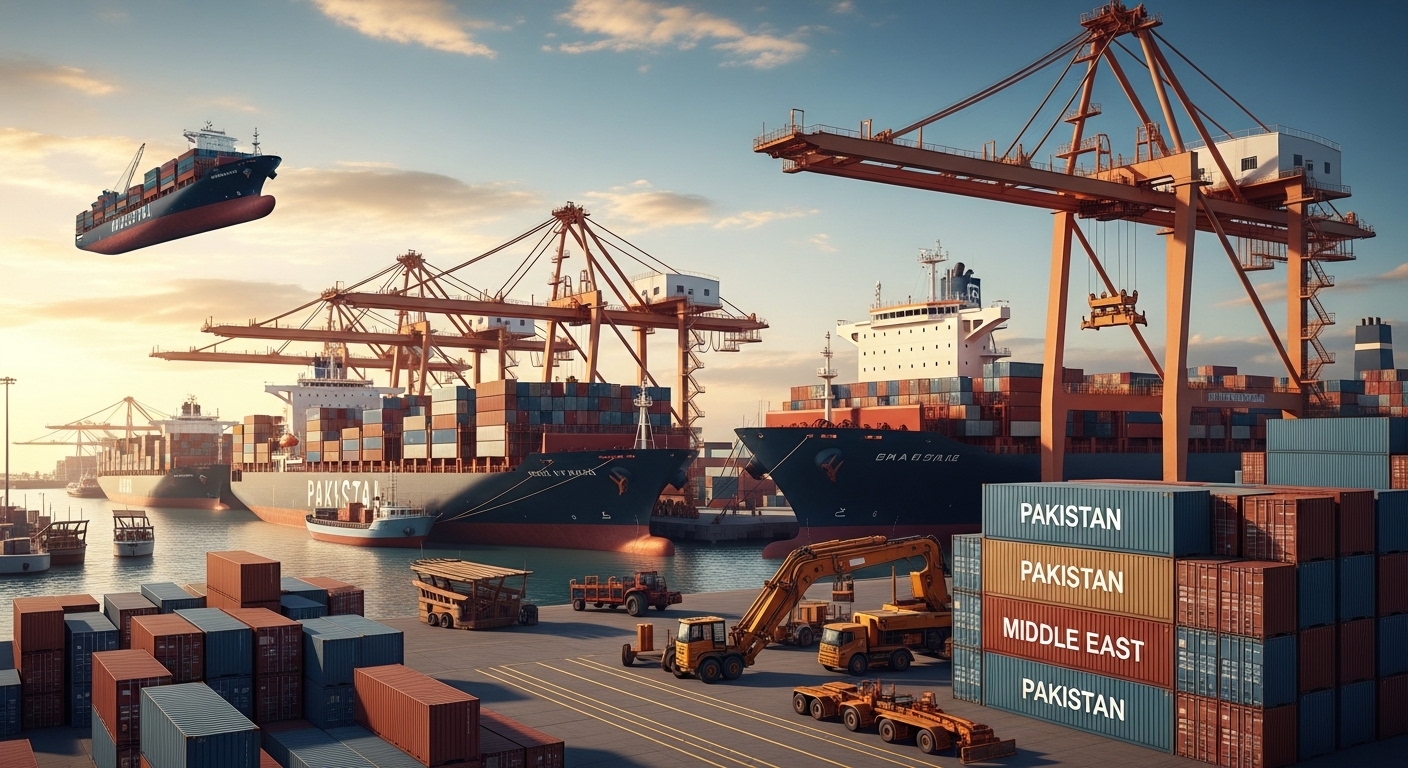
Pakistan Cargo to Middle East: Your Ultimate Guide to Seamless Shipping
The burgeoning trade relationship between Pakistan and the Middle East has made the efficient movement of Pakistan cargo to Middle East destinations a critical component of regional commerce. This comprehensive guide delves into the various facets of this vital logistics corridor, offering insights into transportation modes, key markets, essential considerations, and how to choose the right partners for your shipping needs. Understanding these elements is paramount for businesses aiming to capitalize on the economic opportunities presented by this dynamic trade route.
The Growing Significance of Pakistan Cargo to Middle East Trade
The Middle East, with its robust economies, strategic location, and significant Pakistani diaspora, represents a crucial market for Pakistani exports. Furthermore, it serves as a gateway to other international markets. Consequently, the demand for reliable and efficient logistics services for Pakistan cargo to Middle East has seen a consistent upward trend. This trade encompasses a diverse range of goods, from textiles and agricultural products to construction materials and manufactured items. Therefore, businesses must understand the intricacies involved in order to ensure timely and cost-effective delivery.
Economic Drivers and Trade Volume
Several factors contribute to the increasing volume of trade. For instance, the Gulf Cooperation Council (GCC) countries, including Saudi Arabia, UAE, Qatar, Kuwait, Bahrain, and Oman, are major importers of Pakistani goods. Their rapid development and growing populations fuel demand. Additionally, Pakistan’s strategic geographical position makes it a natural trade partner. Consequently, robust infrastructure development in both regions further facilitates this exchange, making the movement of goods more streamlined.
Key Export Categories from Pakistan
Pakistan cargo to Middle East primarily includes:
- Textiles and Apparel: Ready-made garments, fabrics, and home textiles are significant exports.
- Agricultural Products: Rice, fruits (especially mangoes and citrus), and vegetables find a ready market.
- Food Items: Processed foods, spices, and meat products are also in high demand.
- Construction Materials: Cement, steel, and other building supplies are essential for the Middle East’s infrastructure projects.
- Sports Goods and Surgical Instruments: These specialized items maintain a strong presence in the market.
Key Trade Routes and Modes of Transport for Pakistan Cargo to Middle East
Shipping Pakistan cargo to Middle East involves various transportation methods, each with its own advantages and considerations. Choosing the right mode depends on factors such as urgency, cost, cargo type, and volume. Ultimately, a well-informed decision can significantly impact your supply chain efficiency.
Air Cargo: Speed and Efficiency
Air freight is the fastest option for shipping Pakistan cargo to Middle East. It is ideal for time-sensitive, high-value, or perishable goods. Major airports in Pakistan, such as Karachi, Lahore, and Islamabad, have direct and indirect connections to key Middle Eastern hubs like Dubai (DXB), Riyadh (RUH), Jeddah (JED), and Doha (DOH). However, it is generally the most expensive option.
- Advantages: Speed, security, reduced risk of damage.
- Disadvantages: High cost, limited capacity for very bulky or heavy items.
- Best for: Perishables, pharmaceuticals, electronics, fashion items, urgent documents.
Sea Cargo: Cost-Effectiveness and Capacity
Sea freight is the most economical mode for transporting large volumes of Pakistan cargo to Middle East. Pakistan’s major seaports, including Karachi Port and Port Qasim, are well-connected to all major ports in the Middle East, such as Jebel Ali (UAE), King Abdullah Port (Saudi Arabia), and Hamad Port (Qatar). This mode offers flexibility with various container options, including Full Container Load (FCL) and Less than Container Load (LCL).
- Advantages: Low cost, high capacity for heavy and bulky goods, environmentally friendlier.
- Disadvantages: Longer transit times, potential for delays due to weather or port congestion.
- Best for: Bulk commodities, heavy machinery, textiles, non-perishable food items, general merchandise.
Land Cargo: Regional Connectivity
While less common for direct shipments to all Middle Eastern countries due to geographical barriers, land routes play a role in regional connectivity, especially for destinations like Iran, which borders both Pakistan and some Middle Eastern nations. This method can be cost-effective for specific routes and offers door-to-door service. However, it often involves complex border crossings and security considerations.
- Advantages: Door-to-door service, potentially lower costs for specific overland routes.
- Disadvantages: Longer transit times, security risks, complex customs procedures at multiple borders.
- Best for: Specific regional trade, goods that can withstand longer transit on roads.
Major Destinations for Pakistan Cargo to Middle East
Several countries in the Middle East are primary recipients of Pakistan cargo to Middle East. Understanding the specific requirements and market dynamics of each destination is crucial for successful shipping operations.
UAE (Dubai, Abu Dhabi)
The United Arab Emirates is arguably the most significant hub for Pakistan cargo to Middle East. Dubai, particularly Jebel Ali Port and Dubai International Airport, acts as a major re-export and distribution center for the entire region. Consequently, frequent shipping services and well-established logistics infrastructure make it an attractive destination.
Saudi Arabia (Jeddah, Riyadh)
Saudi Arabia, the largest economy in the Middle East, is a substantial market for Pakistani goods. Jeddah Islamic Port and King Abdullah Port are key entry points on the Red Sea, while Riyadh serves as a major inland distribution center. Furthermore, religious tourism (Hajj and Umrah) drives demand for specific goods.
Qatar, Kuwait, Bahrain, Oman
These GCC countries also represent important markets. Qatar’s Hamad Port, Kuwait’s Shuwaikh and Shuaiba Ports, Bahrain’s Khalifa Bin Salman Port, and Oman’s Sultan Qaboos Port and Sohar Port are vital for receiving Pakistan cargo to Middle East. Each country has unique import regulations and market demands, which must be carefully considered.
Essential Considerations for Shipping Pakistan Cargo to Middle East
Navigating international logistics requires meticulous attention to detail. When shipping Pakistan cargo to Middle East, several critical factors must be addressed to ensure compliance and avoid delays.
Customs Regulations and Documentation
Each Middle Eastern country has specific import regulations, tariffs, and documentation requirements. Common documents include:
- Commercial Invoice: Detailing goods, value, and terms of sale.
- Packing List: Itemizing contents of each package.
- Bill of Lading (for sea freight) or Air Waybill (for air freight): Contract between shipper and carrier.
- Certificate of Origin: Confirming the goods’ country of manufacture (Pakistan).
- SGS/Pre-shipment Inspection Certificate: Required for certain goods by some countries.
- Health or Phytosanitary Certificates: For food, agricultural products, or live animals.
- Conformity Certificates: For specific products to meet quality and safety standards.
Furthermore, adherence to these requirements is non-negotiable. Any discrepancies can lead to significant delays and penalties.
Packaging and Labeling Standards
Proper packaging is crucial for protecting goods during transit, especially given the varying climatic conditions and handling involved. Goods should be securely packed to withstand potential impacts and moisture. Additionally, clear and accurate labeling, including destination addresses, contact information, handling instructions, and hazard warnings (if applicable), is essential for efficient sorting and delivery.
Insurance and Risk Management
While freight forwarders take precautions, unforeseen events like accidents, theft, or natural disasters can occur. Therefore, obtaining comprehensive cargo insurance is highly recommended. This protects your financial interests against potential loss or damage. Understanding the carrier’s liability limits is also important, as they often do not cover the full value of the goods.
Restricted and Prohibited Items
Before shipping Pakistan cargo to Middle East, it is imperative to verify any restricted or prohibited items for the specific destination country. Common prohibited items include narcotics, certain medications, weapons, culturally insensitive materials, and specific types of alcohol or pork products. Restricted items may require special permits or licenses. Consequently, failure to comply can result in seizure of goods and severe penalties.
Choosing the Right Freight Forwarder for Pakistan Cargo to Middle East
Selecting a reliable freight forwarder is perhaps the most critical decision in ensuring smooth and efficient shipping of Pakistan cargo to Middle East. A good freight forwarder acts as your logistics partner, managing the complexities of international shipping on your behalf.
Experience and Expertise
Look for a freight forwarder with extensive experience in the Pakistan-Middle East corridor. They should have a deep understanding of customs regulations, trade lanes, and local market conditions in both regions. Their expertise can help navigate potential pitfalls and optimize your shipping strategy.
Network and Services
A strong global network, particularly within the Middle East, is a significant advantage. The forwarder should offer a comprehensive range of services, including:
- Multimodal Transport: Ability to combine air, sea, and land options.
- Customs Clearance: Expert handling of documentation and procedures.
- Warehousing and Distribution: Storage and onward delivery solutions.
- Cargo Consolidation: For LCL shipments.
- Door-to-Door Services: For ultimate convenience.
Technology and Tracking
Modern freight forwarders leverage technology to enhance efficiency and transparency. Look for providers offering online tracking systems, digital documentation, and real-time updates on your shipment’s status. This transparency allows you to monitor your Pakistan cargo to Middle East at every stage, providing peace of mind.
Cost and Transparency
While cost is a factor, it should not be the sole determinant. Seek a forwarder who offers competitive pricing coupled with transparent billing. Avoid hidden fees and ensure that all charges are clearly itemized. A reputable forwarder will provide a detailed quote covering all aspects of the shipment.
Conclusion
The trade corridor for Pakistan cargo to Middle East is vibrant and offers immense opportunities for businesses. Navigating this route successfully, however, requires a thorough understanding of logistics, regulations, and market specifics. By carefully selecting the appropriate mode of transport, meticulously preparing documentation, adhering to customs requirements, and partnering with an experienced freight forwarder, businesses can ensure efficient, cost-effective, and timely delivery of their goods. Ultimately, strategic planning and informed decision-making are key to unlocking the full potential of this crucial international trade link.
want to read more articles click here.
all credit goes to UDM.
Frequently Asked Questions (FAQ)
Q1: What are the most common types of cargo shipped from Pakistan to the Middle East?
A1: The most common types of Pakistan cargo to Middle East include textiles and apparel, agricultural products (like rice and fruits), processed foods, construction materials, and specialized goods such as sports equipment and surgical instruments. The specific demand varies by destination country and economic trends.
Q2: How long does it typically take to ship cargo from Pakistan to the Middle East?
A2: Transit times vary significantly depending on the mode of transport and specific destination. Air cargo typically takes 2-7 days. Sea cargo, being more economical for bulk, can take anywhere from 7-25 days, depending on the port of origin and destination, shipping line schedule, and customs clearance processes. Therefore, it’s essential to plan accordingly.
Q3: What documentation is crucial for customs clearance when shipping Pakistan cargo to Middle East?
A3: Key documents include the Commercial Invoice, Packing List, Bill of Lading (for sea) or Air Waybill (for air), Certificate of Origin, and potentially health or phytosanitary certificates for certain goods. Some countries may also require pre-shipment inspection certificates or specific conformity documents. Always check the latest requirements for your specific destination.