

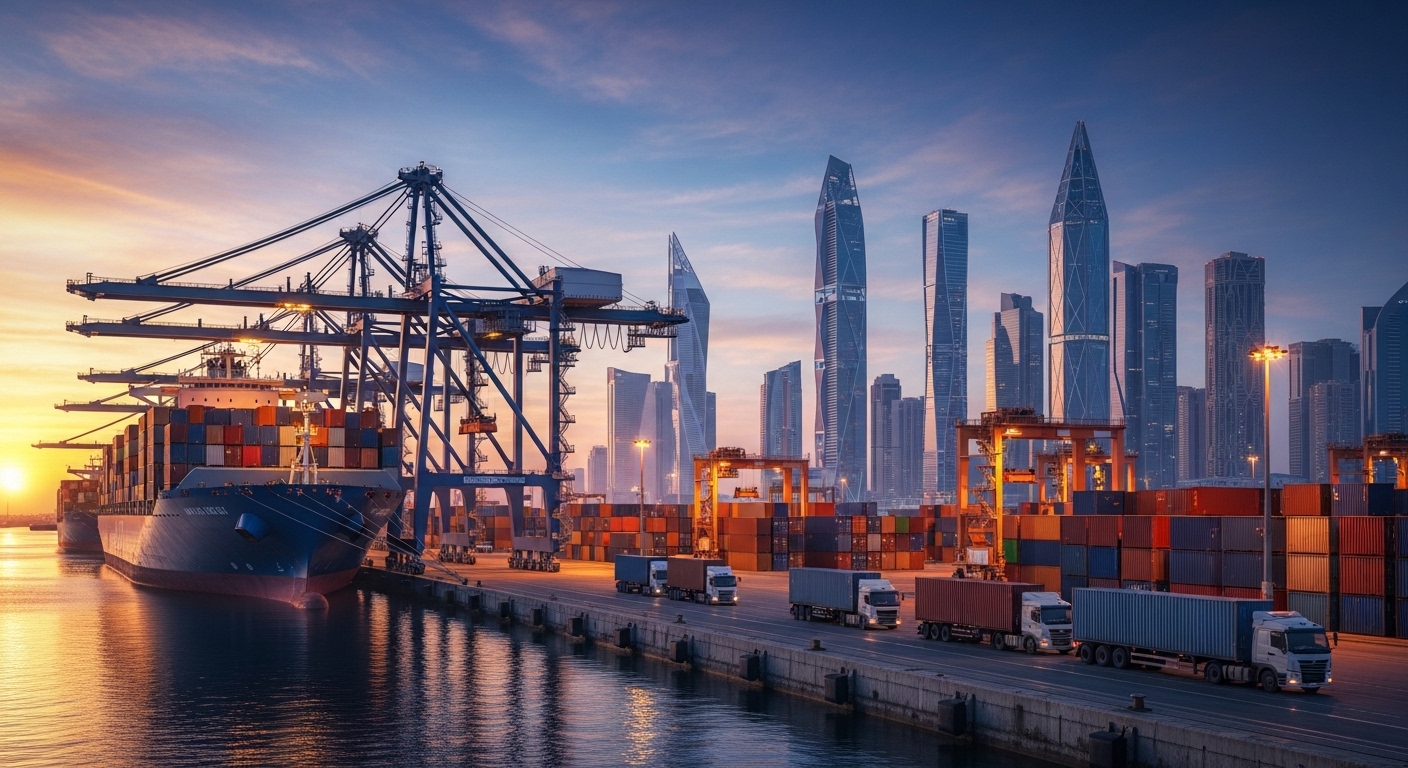
Middle East freight solutions: Navigating Logistics
The Middle East stands as a pivotal crossroads in global trade, connecting Europe, Asia, and Africa. Its strategic geographical position, combined with ambitious economic diversification plans, has transformed it into a dynamic hub for commerce. Consequently, the demand for efficient and reliable Middle East freight solutions has surged, becoming a critical component for businesses aiming to tap into this vibrant market or transit goods through it. Understanding the intricacies of logistics in this diverse region is therefore essential for seamless operations and sustained growth.
The Evolving Landscape of Middle East Freight Solutions
The region’s commitment to economic development has spurred significant investment in infrastructure, fundamentally reshaping the logistics sector. This evolution directly impacts the scope and capability of Middle East freight solutions.
Economic Growth and Infrastructure Development
Countries like the UAE, Saudi Arabia, and Qatar have invested billions in state-of-the-art ports, airports, and road networks. For instance, the expansion of Jebel Ali Port in Dubai and the development of King Abdullah Port in Saudi Arabia underscore the region’s ambition to be a global logistics powerhouse. Furthermore, enhanced road connectivity across the GCC facilitates efficient land-based distribution. This robust infrastructure provides a strong foundation for diverse freight operations.
Key Trade Routes and Hubs
The Middle East serves as a nexus for major international trade routes. The Suez Canal, a critical waterway, funnels vast amounts of maritime traffic through the region. Key logistics hubs, such as Dubai, Doha, and Jeddah, offer advanced warehousing, distribution centers, and free zones, streamlining customs processes and facilitating re-export. Consequently, these hubs are vital for optimizing transit times and reducing operational costs.
Types of Middle East Freight Solutions
A comprehensive understanding of available transport modes is crucial for selecting the most appropriate Middle East freight solutions for specific cargo needs.
Sea Freight
Sea freight remains the backbone of international trade, particularly for bulk and heavy cargo. Major ports throughout the Middle East handle millions of containers annually. Services include Full Container Load (FCL) for dedicated shipments and Less than Container Load (LCL) for smaller volumes, offering flexibility. Moreover, choosing sea freight often provides the most cost-effective solution for large-scale shipments, albeit with longer transit times.
Air Freight
For time-sensitive or high-value goods, air freight offers unparalleled speed. Major airports like Dubai International (DXB), Dubai World Central (DWC), and King Fahd International Airport (DMM) serve as significant cargo gateways. Air cargo operations are highly efficient, ensuring rapid delivery across continents. However, it is generally the most expensive option, thus suitable for urgent or premium goods.
Land Freight
Within the GCC and to neighboring countries, land freight provides crucial connectivity. Extensive road networks facilitate cross-border trucking, offering door-to-door delivery. This mode is particularly effective for intra-regional trade and last-mile distribution from ports or airports. Moreover, specialized transport for oversized or hazardous materials is also available via land.
Multimodal Transport
Combining different modes of transport, such as sea-air or road-rail, offers optimized solutions. Multimodal strategies can balance cost, speed, and efficiency, tailoring the logistics chain to specific requirements. For example, goods might arrive by sea, then be quickly transferred to air freight for onward distribution to landlocked areas. Therefore, this approach provides significant flexibility.
Overcoming Challenges in Middle East Freight Logistics
Despite advancements, navigating the logistics landscape in the Middle East presents unique challenges that require expert handling. Effective Middle East freight solutions must proactively address these hurdles.
Customs and Regulations
Each country in the Middle East has its own set of customs duties, import restrictions, and documentation requirements. Compliance is complex, necessitating thorough understanding and meticulous preparation. Furthermore, free zones offer simplified customs procedures for re-export, but their rules also need careful navigation. A skilled logistics partner can ensure smooth clearance.
Geopolitical Factors
The region’s geopolitical dynamics can occasionally impact trade routes and lead times. Therefore, freight forwarders must stay abreast of current events and possess contingency plans to mitigate potential disruptions. Flexibility and adaptability are key attributes in this environment.
Infrastructure Bottlenecks
While infrastructure is rapidly improving, specific routes or facilities might still experience congestion, particularly during peak seasons. Effective planning and real-time monitoring are essential to circumvent potential delays. Consequently, choosing routes with lower traffic density can sometimes be beneficial.
Technology Adoption
The pace of digital transformation varies across the region. While some entities embrace cutting-edge logistics technology, others may still rely on traditional methods. This disparity can affect tracking visibility and operational efficiency. Therefore, partnering with providers leveraging advanced digital tools is advantageous.
Choosing the Right Partner for Middle East Freight Solutions
Selecting a competent logistics partner is paramount for successful operations in this complex region. The right partner will significantly enhance the effectiveness of your Middle East freight solutions.
Expertise and Experience
A logistics provider with extensive experience in the Middle East possesses invaluable local knowledge. They understand the nuances of customs, regulations, and cultural business practices. This expertise ensures compliance and minimizes delays. Moreover, their established relationships can often expedite processes.
Network and Reach
An effective partner should have a robust network, both locally and internationally. This includes access to a wide array of carriers, warehousing facilities, and distribution channels. A comprehensive network ensures seamless connectivity and reliable service across the entire supply chain.
Technology and Visibility
Modern logistics demands transparency. Look for partners offering advanced tracking systems, real-time updates, and data analytics. Such technological capabilities provide complete visibility into your shipments, allowing for proactive management and informed decision-making. Consequently, this enhances operational control.
Customer Service and Support
Responsive and dedicated customer service is crucial. A good logistics partner offers clear communication, quick problem-solving, and personalized support. This ensures that any issues are addressed promptly, maintaining the smooth flow of your goods.
Future Trends in Middle East Freight Solutions
The logistics sector in the Middle East is continuously evolving, driven by technological advancements and changing market demands.
Digitalization and Automation
The adoption of technologies like Artificial Intelligence (AI), Internet of Things (IoT), and blockchain is set to revolutionize freight management. These tools will enhance efficiency, improve data accuracy, and provide greater supply chain transparency. For instance, automated warehouses and AI-driven route optimization are becoming more prevalent.
Sustainability Initiatives
There is a growing emphasis on green logistics. Companies are increasingly seeking sustainable Middle East freight solutions that reduce carbon emissions through optimized routes, eco-friendly transport modes, and efficient warehousing practices. This trend aligns with global environmental goals.
The Middle East has become a pivotal hub for global trade, connecting Asia, Europe, and Africa through strategic ports, airports, and road networks. Efficient freight solutions in this region are essential to manage the increasing flow of goods, ranging from raw materials to finished products. Companies offering freight services focus on optimizing transit times, ensuring cargo safety, and providing cost-effective shipping options. With modern logistics technologies, including real-time tracking and automated documentation, businesses can seamlessly monitor shipments and reduce delays, making the Middle East a reliable link in international supply chains.
Air, sea, and land transport each play a unique role in the region’s logistics ecosystem. Air freight is ideal for high-value or time-sensitive goods, leveraging major airports in Dubai, Abu Dhabi, and Doha. Sea freight remains the backbone for bulk shipments, with ports such as Jebel Ali and King Abdullah serving as major entry points for imports and exports. Meanwhile, road and rail networks enable efficient intra-regional distribution, connecting urban centers and industrial hubs. Integrating these modes through multimodal logistics solutions allows companies to maximize efficiency, reduce costs, and maintain consistent delivery timelines across the Middle East.
E-commerce Boom
The rapid growth of e-commerce in the Middle East is significantly impacting logistics. It drives demand for efficient last-mile delivery, sophisticated fulfillment centers, and robust reverse logistics capabilities. Therefore, logistics providers are adapting their services to meet these fast-paced consumer demands.
Conclusion
Navigating the complexities of Middle East freight solutions requires a strategic approach and a reliable logistics partner. The region’s dynamic economic growth, coupled with ongoing infrastructure development, presents both opportunities and challenges. By understanding the diverse transport options, addressing regulatory hurdles, and leveraging technological advancements, businesses can optimize their supply chains and ensure efficient, cost-effective movement of goods across this vital global trade nexus. Therefore, choosing the right expertise is paramount for success.
Frequently Asked Questions (FAQ)
What are the primary challenges in Middle East freight solutions?
The primary challenges include navigating complex customs regulations, managing geopolitical risks, and ensuring efficient last-mile delivery in diverse geographical areas. Furthermore, varying infrastructure quality across different countries can also pose hurdles.
How can businesses optimize their supply chain in the Middle East?
Businesses can optimize their supply chain by partnering with experienced logistics providers who offer multimodal transport options, leverage advanced tracking technology, and possess deep local knowledge of customs and regulations. Moreover, consolidating shipments and utilizing free zones can significantly enhance efficiency.
What role does technology play in Middle East freight solutions?
Technology plays a crucial role by enabling real-time tracking, improving customs clearance efficiency through digital documentation, and optimizing route planning. In addition, AI and IoT are increasingly used for predictive analytics and warehouse automation, thereby enhancing overall supply chain visibility and performance.
want to read more articles click here.
all credit goes to UDM.