

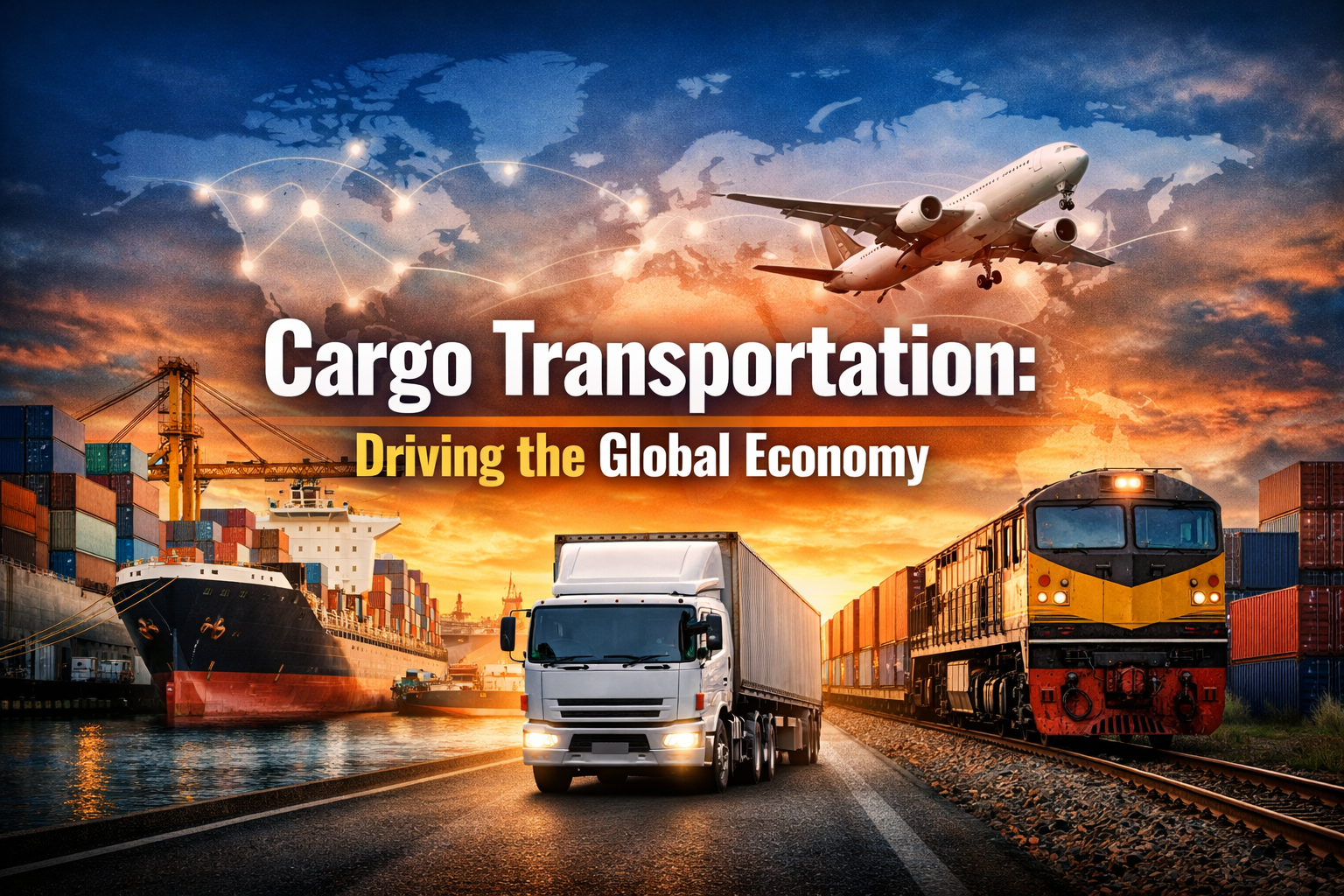
Cargo Transportation: The Backbone of the Global Economy
In the modern interconnected world, cargo transportation serves as the vital circulatory system of global commerce. From the raw materials required for manufacturing to the finished goods delivered to a consumer’s doorstep, the movement of freight is a complex, multi-faceted industry that demands precision, efficiency, and technological integration. Understanding the nuances of this sector is essential for businesses looking to optimize their supply chains and remain competitive in a rapidly evolving market.
Understanding the Scope of Cargo Transportation
Cargo transportation refers to the physical process of moving goods, commodities, and merchandise from one location to another. This process can occur across local, national, or international borders and involves a variety of stakeholders, including shippers, carriers, freight forwarders, and logistics providers. The primary goal is to ensure that products reach their destination in a timely, safe, and cost-effective manner. As global trade volumes continue to rise, the infrastructure and strategies supporting these movements have become increasingly sophisticated.
Primary Modes of Freight Movement
Each mode offers distinct advantages and faces unique challenges.
Maritime Freight: The Giant of Global Trade
Ocean shipping remains the most prevalent form of international cargo transportation, accounting for approximately 90% of global trade by volume. It is the most cost-effective method for transporting massive quantities of goods over long distances. Containerization revolutionized this sector, allowing for standardized handling and seamless transfer between ships, trucks, and trains. While maritime freight is slower than other modes, its ability to handle bulk commodities, heavy machinery, and large-scale consumer goods makes it indispensable.
Air Freight: Speed and High-Value Logistics
When time is of the essence, air freight is the preferred choice. This mode of cargo transportation is utilized for high-value, perishable, or urgent shipments, such as electronics, pharmaceuticals, and fashion items. While air transport is significantly more expensive than sea or land options, the reduction in transit time can lead to lower inventory carrying costs and improved customer satisfaction. Modern air cargo hubs utilize advanced sorting and tracking systems to ensure rapid turnaround times.
Road Transportation: The Vital Last-Mile Link
Road transport is the most flexible mode of cargo transportation, providing essential door-to-door service. It serves as the primary link in the ‘last-mile’ delivery process, connecting warehouses and distribution centers to retail outlets and residential addresses. The trucking industry is highly fragmented but remains the backbone of domestic logistics in most countries. Innovations in fuel efficiency and the development of electric heavy-duty vehicles are currently transforming this sector to meet environmental standards.
Rail Freight: Efficiency and Sustainability
Rail transport offers a middle ground between the speed of road transport and the cost-efficiency of maritime freight. It is particularly effective for moving bulk materials like coal, minerals, and grains over long land distances.
The Role of Technology in Modern Logistics
Digital transformation is currently the most significant driver of change in cargo transportation. The integration of advanced software and hardware solutions has enabled unprecedented levels of transparency and efficiency.
IoT and Real-Time Tracking
The Internet of Things (IoT) has introduced smart sensors and GPS tracking into the shipping process. Shippers can now monitor the location, temperature, and even the vibration levels of their cargo in real-time. This data is crucial for maintaining the integrity of sensitive goods and providing customers with accurate delivery estimates.
Artificial Intelligence and Predictive Analytics
AI is being used to optimize routes, predict maintenance needs for fleets, and manage warehouse inventory.
Blockchain for Supply Chain Transparency
Blockchain technology is gaining traction as a method to secure and streamline documentation in cargo transportation.
Cargo Transportation: Driving the Global Economy
Cargo transportation is the lifeblood of modern commerce, connecting raw materials, manufacturers, and consumers across the globe. Efficient freight movement ensures that businesses can meet demand, maintain supply chains, and support economic growth. Understanding the dynamics of this sector is vital for companies seeking to stay competitive in an increasingly globalized market.
The Scope of Cargo Transportation
Cargo transportation encompasses the movement of goods and commodities across local, national, and international borders. Key players include shippers, carriers, freight forwarders, and logistics providers, all working together to ensure timely, safe, and cost-effective deliveries. With global trade volumes rising, transportation strategies and infrastructure are becoming increasingly sophisticated.
Modes of Cargo Transport
Selecting the right mode of transport is critical. Maritime freight handles massive quantities of goods economically over long distances, while air freight prioritizes speed for high-value or perishable items. Road transport provides flexible last-mile delivery, and rail freight offers cost-effective, environmentally friendly solutions for bulk cargo. Each mode serves a unique role in the supply chain.
Technology Transforming Logistics
Modern logistics rely heavily on technology. IoT sensors and GPS tracking enable real-time monitoring of cargo, AI-driven analytics optimize routes and fleet management, and blockchain ensures secure, transparent documentation. These innovations improve efficiency, reduce delays, and enhance customer satisfaction.
Challenges in Cargo Transportation
Despite technological advances, the industry faces hurdles like fuel price fluctuations, labor shortages, and geopolitical tensions. Environmental concerns are pushing companies to adopt green technologies, while regulatory compliance remains a complex challenge, especially in international trade. Effective strategies are essential to navigate these obstacles.
Looking Ahead: The Future of Freight
The future of cargo transportation will be shaped by automation, sustainable energy, and innovative delivery methods. Autonomous trucks, drones, and electric propulsion systems promise to reduce costs, increase efficiency, and minimize environmental impact. As the industry continues to evolve, it will remain a cornerstone of global economic growth.
Overcoming Industry Challenges
Despite its advancements, the cargo transportation industry faces several hurdles. Geopolitical tensions, fluctuating fuel prices, and labor shortages can disrupt even the most well-planned logistics operations. Furthermore, the increasing pressure to reduce carbon footprints is forcing companies to invest in green technologies and carbon-offsetting initiatives. Regulatory compliance, particularly in international trade, remains a complex hurdle, requiring constant vigilance regarding customs laws and safety standards.
The Future of Cargo Transportation
Autonomous trucks and delivery drones are moving from the testing phase to real-world application, promising to lower labor costs and increase delivery speeds. Simultaneously, the shift toward hydrogen and electric propulsion systems will redefine the environmental impact of cargo transportation, paving the way for a more sustainable global trade ecosystem.
Intermodal Transportation: Combining Strengths
Intermodal transportation uses two or more modes of transport—such as rail and truck—to move a single shipment efficiently. Standardized containers allow cargo to be transferred between modes without unloading, reducing handling costs and improving delivery speed. This approach maximizes the strengths of each transport method.
Sustainability in Cargo Transport
As global awareness of climate change grows, sustainability has become a priority in logistics. Rail and maritime transport are often more environmentally friendly than road or air freight, producing fewer emissions per ton-mile. Companies are also investing in electric trucks, biofuels, and carbon-offset programs to reduce their environmental impact.
The Role of Warehousing and Distribution
Effective cargo transportation relies on well-organized warehouses and distribution centers. These hubs facilitate inventory management, cross-docking, and timely deliveries. Advanced warehouse technologies, such as automated sorting systems and robotics, are streamlining operations and improving overall supply chain efficiency.
Risk Management and Security
Cargo transportation faces risks such as theft, damage, and regulatory non-compliance. Security measures, including tamper-proof seals, GPS tracking, and real-time alerts, help mitigate these risks. Businesses must implement robust risk management strategies to protect their cargo and maintain supply chain reliability.
Economic Impact of Cargo Transportation
Cargo transport contributes significantly to global economic growth by enabling trade, creating jobs, and supporting industries such as manufacturing, retail, and e-commerce. Efficient logistics reduce costs, improve market access, and foster international commerce, making the sector a backbone of the global economy.
Emerging Trends in Logistics
The logistics industry is rapidly evolving with trends like autonomous vehicles, drone deliveries, and AI-powered route optimization. Companies are also leveraging big data to predict demand, manage inventory, and enhance decision-making. Staying ahead of these trends is essential for businesses seeking competitive advantage in a fast-paced global market.
Conclusion
Cargo transportation is an ever-evolving field that remains fundamental to global economic prosperity. As we have explored, the industry relies on a diverse mix of maritime, air, road, and rail solutions, each playing a specific role in the supply chain. The integration of cutting-edge technologies like AI and IoT is setting new standards for efficiency and transparency.
want to read more articles click here.
all credit goes to UDM.
Frequently Asked Questions (FAQ)
What is the most cost-effective mode of cargo transportation?
Maritime freight is generally considered the most cost-effective mode, especially for large volumes of goods being shipped over long international distances. While it has longer transit times, the economies of scale provided by massive container ships make it the preferred choice for bulk commodities.
How does technology improve cargo transportation safety?
Technology improves safety through real-time monitoring and predictive maintenance. IoT sensors can detect if cargo has been tampered with or exposed to damaging conditions, while telematics in vehicles help monitor driver behavior and mechanical health, preventing accidents before they occur.
What is intermodal cargo transportation?
Intermodal transportation involves using two or more different modes of transport (such as rail and truck) to move a single shipment. This approach often utilizes standardized containers that can be easily transferred between modes without unloading the contents, optimizing both cost and speed.
One Reply to “Cargo Transportation: A Guide to Modern Logistics”
cargo booking
18 Feb 2026[…] For more details about services, visit JKC Cargo Services. […]