

Cargo Packaging & Shipping Solutions – Secure Your Goods Today
Ever stared at a package, wondering how it managed to travel across continents, through various hands and machines, only to arrive at your doorstep in perfect condition? It’s not magic, nor is it pure luck. Behind every successful shipment lies a carefully orchestrated strategy of robust cargo packaging and smart shipping solutions. For businesses, getting this right isn’t just about delivery; it’s about reputation, customer satisfaction, and the bottom line.
In today’s global marketplace, where goods traverse vast distances and encounter countless variables, the integrity of your product hinges on its protection. From delicate electronics to heavy machinery, from temperature-sensitive perishables to hazardous materials, each item demands a tailored approach to ensure it reaches its destination safely and intact. This comprehensive guide will demystify the world of cargo packaging, offering you expert insights and practical advice to secure your goods today and navigate the complexities of modern logistics with confidence.
Welcome Aboard! Why Smart Cargo Packaging is Your Best Friend
Ever wondered how your goods make it safely from point A to point B, sometimes across oceans or continents? It’s not magic – it’s smart packaging! Think of cargo packaging as the unsung hero of the supply chain, tirelessly working behind the scenes to protect your valuable assets. It’s a critical layer of defense that many businesses unfortunately overlook until a costly mishap occurs.
The Hidden Hero: Understanding the Vital, Often-Overlooked Role of Proper Cargo Packaging
Proper cargo packaging isn’t just about wrapping an item in a box; it’s a sophisticated system designed to withstand the rigors of transit. From the moment your product leaves the warehouse until it reaches its final destination, it faces a gauntlet of potential threats: impacts, vibrations, compression, changes in temperature and humidity, and even theft. Effective packaging acts as a shield, absorbing shocks, preventing shifts, deterring tampering, and maintaining environmental stability. It’s the silent guardian ensuring your product’s integrity and value remain intact, regardless of the journey’s challenges.
Why Invest? Discover How Prioritizing Effective Cargo Packaging Solutions Saves You Headaches, Prevents Costly Damages, and Ensures Customer Satisfaction
Investing in high-quality cargo packaging solutions might seem like an added expense, but it’s truly an investment in peace of mind and profitability. Consider the alternative: damaged goods lead to customer complaints, returns, reshipments, insurance claims, and ultimately, a tarnished brand reputation. These costs often far outweigh the initial investment in superior packaging. By proactively securing your shipments, you minimize financial losses, streamline logistics, and foster customer loyalty through reliable, damage-free deliveries. Satisfied customers are repeat customers, and a strong reputation is priceless in a competitive market.
What We’ll Cover: A Friendly Roadmap to Mastering the Art and Science of Securing Your Shipments, From Choosing Materials to Avoiding Common Pitfalls
Throughout this guide, we’ll embark on a journey to explore the multifaceted world of cargo packaging. We’ll delve into the diverse range of materials and techniques available, help you understand how to select the perfect solution for your specific goods, and share insider tips from seasoned professionals. Our goal is to equip you with the knowledge and confidence to make informed decisions, transforming your shipping process from a potential headache into a consistent success story.
Decoding Your Options: A Look at Diverse Cargo Packaging Solutions
Beyond the Box: Exploring the wide world of cargo packaging solutions that go far beyond standard cardboard, tailored for every type of item. The truth is, one size rarely fits all when it comes to protecting goods in transit. The right solution depends heavily on the item’s nature, value, fragility, and the journey it’s about to undertake.
Primary Packaging Types
Let’s dive into some of the fundamental structures that form the backbone of secure shipping:
- Sturdy Crates (Wood, Plastic):
Wooden Crates
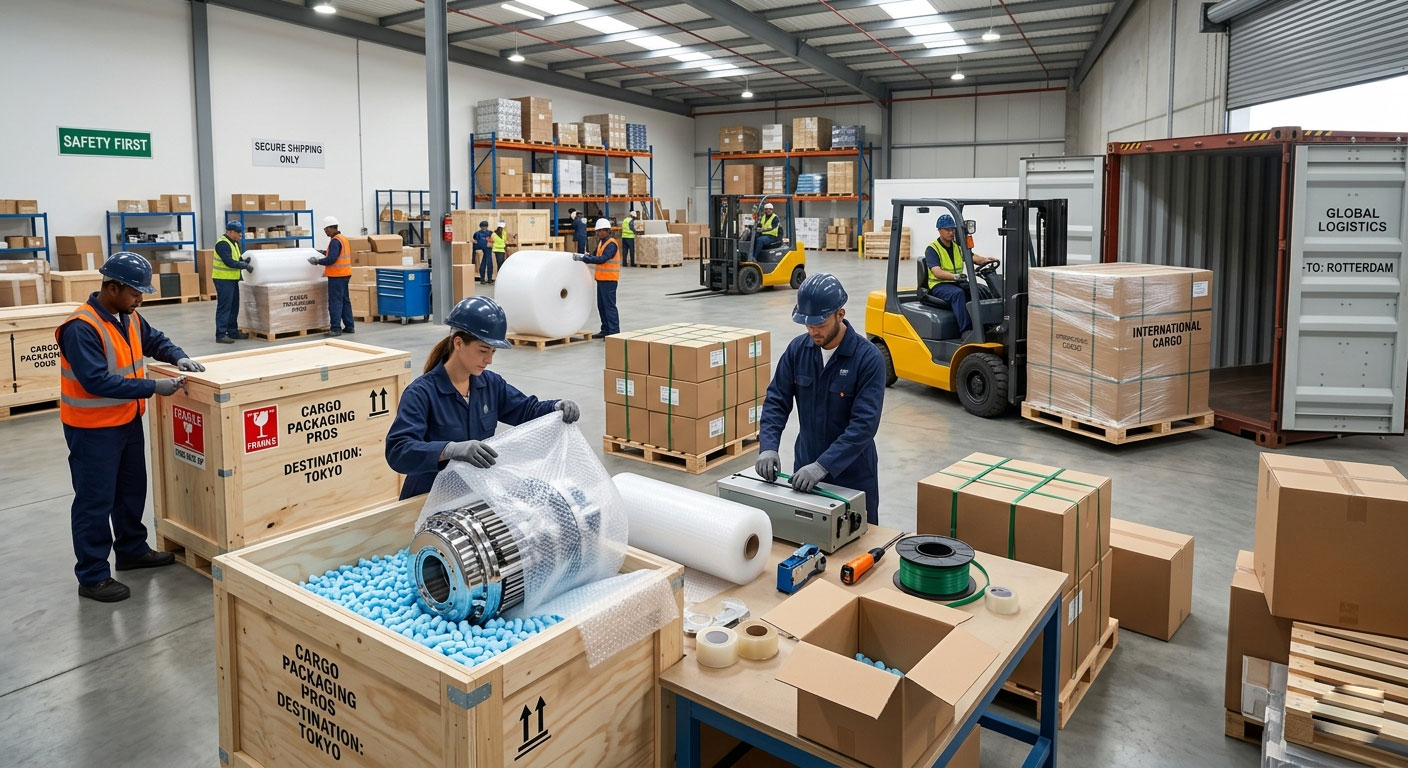
- The classic choice for heavy, bulky, or highly valuable items. They offer exceptional structural rigidity and protection against impact and compression. Custom-built wooden crates can be designed to perfectly cradle irregularly shaped items, providing internal bracing and support. They are indispensable for international shipping, though their wood must often comply with ISPM 15 regulations.
- Plastic Crates: Lighter than wood, reusable, and resistant to moisture and pests. Ideal for closed-loop supply chains or when hygiene is a priority. They are often stackable and nestable, optimizing storage space.
- Durable Pallets (Wooden, Plastic, Metal): Pallets are platforms designed for stacking, storing, and transporting goods. They facilitate handling with forklifts and pallet jacks, making loading and unloading efficient.
- Wooden Pallets: The most common type, cost-effective and sturdy. Available in various sizes (e.g., standard 48×40 inch in North America). Like wooden crates, they may require ISPM 15 treatment for international shipments.
- Plastic Pallets: Lighter, more durable, hygienic, and resistant to moisture and chemicals. Often preferred in food, pharmaceutical, and cleanroom environments. They don’t require ISPM 15 treatment.
- Metal Pallets: Extremely robust, durable, and ideal for heavy loads or harsh environments. They are, however, heavier and more expensive.
Specialized Containers
- Intermediate Bulk Containers (IBCs): Large, reusable containers for bulk liquids, powders, or granular substances. They offer efficient storage and transport for industrial quantities.
- Corrugated Containers (Heavy-Duty Cardboard): While often considered “boxes,” heavy-duty corrugated cardboard offers significant strength and can be engineered for specific loads, sometimes even replacing lighter wooden crates. Multi-wall construction provides superior stacking strength and puncture resistance.
- Flexible Packaging: Though often associated with primary product packaging, flexible materials like heavy-duty plastic bags, sacks, and films play a crucial role in protecting goods within larger containers, especially for bulk items or moisture protection.
Protective Materials & Fillers: The Unsung Heroes!
These materials are crucial for preventing movement and absorbing shocks within the primary packaging:
- Cushioning (Foam, Bubble Wrap):
- Foam: Custom-cut foam inserts provide precise, high-level protection for fragile or high-value items, absorbing significant shock and vibration. Types include polyethylene, polyurethane, and anti-static foams.
- Bubble Wrap: A versatile and cost-effective solution for general cushioning and surface protection. Available in various bubble sizes, it’s excellent for wrapping individual items.
- Void Fill (Packing Peanuts, Air Pillows):
- Packing Peanuts: Loose-fill materials that fill empty spaces, immobilizing items. Eco-friendly biodegradable options are increasingly popular.
- Air Pillows: Lightweight, inflatable plastic bags that fill voids and provide cushioning. They are clean and offer good protection for lighter items.
- Strapping: Polypropylene, polyester, or steel strapping is used to bundle items together, secure loads to pallets, and reinforce boxes, preventing bursting or shifting.
- Shrink Wrap/Stretch Film: Used to tightly secure items to pallets, protecting them from dust, moisture, and shifting during transit. It creates a cohesive, stable unit.
- Desiccants: Small packets (e.g., silica gel) placed inside packaging to absorb moisture and prevent rust, corrosion, mold, or mildew, particularly vital for electronics, machinery, or textiles in humid environments.
Specialized Needs: Understanding Unique Cargo Packaging Solutions
Some goods require a more tailored approach:
- Temperature-Sensitive Goods:
- Insulation: Thermal liners, insulated boxes (e.g., EPS foam coolers), and reflective foil barriers maintain internal temperatures.
- Coolants: Gel packs, dry ice, or phase-change materials (PCMs) are used to keep goods chilled or frozen. Active temperature-controlled containers (reefers) are used for large volumes.
- Temperature Monitoring: Data loggers track temperature throughout the journey, providing vital proof of temperature integrity.
- Hazardous Materials (HazMat): Shipping dangerous goods (flammables, corrosives, toxics) requires strict adherence to international regulations (e.g., IATA, IMDG, DOT). This includes UN-certified packaging tested to specific performance standards, specialized labels, and comprehensive documentation. Mistakes here can lead to severe penalties, delays, or even catastrophic accidents.
- Oversized Items: Large, heavy, or irregularly shaped items often require custom-engineered cargo packaging solutions. This might involve custom wooden skids, heavy-duty crates with internal bracing, specialized lifting points, and precise load distribution calculations to ensure safe transport.
The Art of Choosing: Selecting the Perfect Packaging for Your Goods
Selecting the right cargo packaging solutions is less about finding a universal answer and more about asking the right questions. It’s an art that balances protection, cost, and practicality. Making an informed decision here can save you immense headaches down the line.
Ask Yourself: Key Questions to Guide Your Packaging Decisions
Before you even think about materials, start with a thorough assessment of your goods and their journey:
- What are you shipping?
- Fragility: Is it delicate glassware or robust machinery? This dictates the level of cushioning and structural support needed.
- Value: High-value items warrant greater investment in secure, tamper-evident packaging.
- Weight & Dimensions: These determine the strength of the container, pallet requirements, and potential handling challenges.
- Nature of Goods: Is it liquid, solid, granular, perishable, or hazardous? Each has specific requirements.
- How far is it going? Domestic shipments might tolerate less robust packaging than international journeys involving multiple transfers and longer transit times.
- What’s the mode of transport?
- Air Freight: Lighter packaging is often preferred to reduce costs, but it must still withstand higher G-forces and pressure changes.
- Sea Freight: Requires robust protection against moisture, condensation (container rain), and prolonged exposure to movement.
- Road/Rail Freight: Faces vibrations, impacts from sudden stops/starts, and potential shifts. Packaging needs to prevent internal movement and external damage.
5 FAQs
- What types of items can you package and ship?
We handle a wide range of goods, including fragile, heavy, perishable, and high-value items, ensuring safe transport. - Do you provide custom packaging solutions?
Yes, we offer tailor-made packaging using crates, pallets, bubble wrap, and other protective materials for every shipment. - How do you ensure cargo safety during transit?
Our packaging team uses industry-standard methods and materials, combined with secure handling and transportation practices. - Can I track my shipment after it is packaged?
Absolutely! Every shipment comes with tracking support, allowing you to monitor your cargo from pickup to delivery. - Do you ship internationally?
Yes, we provide reliable domestic and international shipping with customs-compliant packaging and handling.
Conclusion
With our Cargo Packaging & Shipping Solutions, your goods are always in safe hands. From fragile items to large shipments, we ensure professional packaging, secure handling, and reliable delivery. Trust us to protect your cargo every step of the way—whether across the city or around the globe.
Want to know more about our Cargo Service? Check out our Blog for tips, updates, and everything you need to ship safely and quickly! Or Contact Us.