

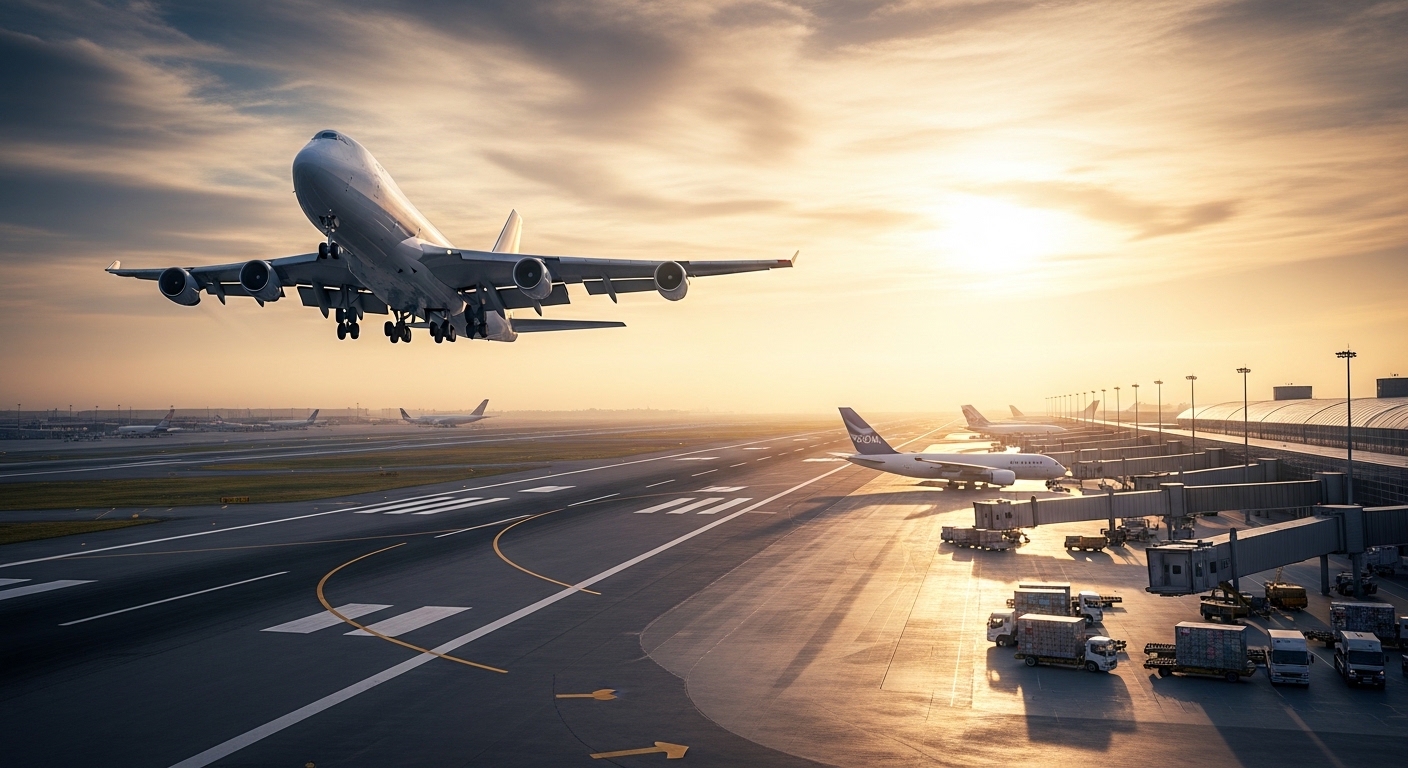
Air freight delivery: Speed, Efficiency, Global Reach
In today’s fast-paced global economy, the movement of goods needs to be swift, reliable, and far-reaching. Businesses constantly seek logistics solutions that can keep pace with demand, minimize lead times, and ensure products arrive safely. Among the various shipping methods, air freight delivery stands out as a critical component, offering unparalleled speed and efficiency for international trade. This mode of transport leverages the vast network of global airlines to move cargo across continents in a matter of hours or days, rather than weeks. Consequently, it plays a vital role in supply chains for industries ranging from technology and pharmaceuticals to fashion and automotive. Understanding the intricacies, benefits, and challenges of air freight is essential for any business operating in the global marketplace.
What is Air Freight Delivery?
Air freight delivery refers to the transportation of goods via aircraft. It is a specialized form of logistics that utilizes commercial and cargo planes to move shipments quickly over long distances. Unlike sea or land transport, air freight is designed for speed and efficiency, making it ideal for time-sensitive or high-value cargo. Essentially, it involves coordinating with airlines, customs agencies, and ground handling services to ensure a seamless journey for your goods from origin to destination.
Defining Air Freight
Air freight is broadly defined as the carriage of goods by air. It encompasses a wide array of services, from express parcel delivery to the movement of oversized industrial equipment. The industry operates under stringent international regulations, ensuring safety and security for all shipments. Furthermore, it relies on a complex ecosystem of freight forwarders, airlines, and ground support teams.
Key Characteristics
Several distinct characteristics define air freight. Firstly, its speed* is paramount; consequently, it significantly reduces transit times. Secondly, air freight offers **enhanced security**, with strict handling protocols and reduced exposure to damage or theft. Thirdly, it provides **global reach**, connecting virtually any two points on the planet with an airport infrastructure. Lastly, it boasts *reliability, with scheduled flights and predictable arrival times, albeit subject to weather and operational factors.
The Advantages of Air Freight Delivery
Choosing air freight offers numerous benefits, particularly for businesses with specific logistical needs. These advantages often outweigh the higher costs associated with this premium service. Therefore, many companies strategically integrate air freight into their supply chain.
Unmatched Speed
The most significant advantage of air freight is its speed. Shipments can travel thousands of miles in a single day, dramatically cutting down transit times compared to ocean or road transport. This rapid delivery is crucial for industries dealing with perishable goods, urgent components, or products with short market windows. For instance, a shipment from Asia to Europe can take weeks by sea, but only a few days by air.
Enhanced Security
Air cargo typically undergoes rigorous security checks and is handled with greater care than other forms of transport. Airports have tight security measures, and cargo is often kept in secure facilities. Consequently, the risk of damage, loss, or theft is considerably lower. This makes air freight delivery an excellent choice for high-value or fragile items.
Global Reach and Accessibility
Airports are strategically located worldwide, offering extensive connectivity. This global network allows businesses to reach remote or landlocked regions that might be inaccessible by sea. Moreover, major hubs facilitate quick transfers, expanding the reach of your supply chain. Thus, air freight opens up new markets and opportunities.
Reliability and Predictability
Air transport operates on strict schedules, offering a high degree of predictability. While delays can occur due to weather or technical issues, they are generally less frequent and shorter than those experienced in sea shipping. This reliability helps businesses plan inventory more effectively and meet customer expectations consistently.
Reduced Inventory Costs
By significantly reducing transit times, air freight enables businesses to maintain lower inventory levels. This “just-in-time” approach minimizes warehousing costs and reduces the risk of obsolescence. Therefore, the overall supply chain efficiency improves, potentially offsetting the higher freight charges.
When to Choose Air Freight Delivery
Deciding when to opt for air freight delivery depends on several factors, including the nature of the goods, urgency, and budget. It is not always the most economical choice, but it often proves to be the most strategic.
Time-Sensitive Shipments
For goods that have a strict deadline, such as product launches, promotional materials, or critical spare parts, air freight is indispensable. The ability to meet tight schedules prevents production delays or missed market opportunities.
High-Value Goods
Shipping expensive items like electronics, luxury goods, or pharmaceuticals via air freight provides an added layer of security and reduces the time these valuable assets spend in transit. This minimizes exposure to potential risks.
Perishable Items
Goods with a limited shelf life, including fresh produce, flowers, or certain chemicals, greatly benefit from the speed of air freight. Rapid transport ensures these items arrive in optimal condition, preserving their quality and value.
Urgent Replenishments
When a sudden surge in demand or an unexpected stockout occurs, air freight can quickly replenish inventory. This rapid response prevents lost sales and maintains customer satisfaction. Consequently, it supports business continuity.
Remote Destinations
Reaching locations that are difficult to access by other means often necessitates air transport. Many remote regions rely heavily on air cargo for essential supplies, making it a crucial link in global logistics.
The Air Freight Delivery Process
Understanding the steps involved in air freight delivery is crucial for smooth operations. The process is complex, involving multiple parties and stringent regulations.
Booking and Documentation
The journey begins with booking cargo space on an airline and preparing all necessary documentation. This includes the Air Waybill (AWB), commercial invoices, packing lists, and customs declarations. Accurate documentation is vital for preventing delays.
Cargo Preparation and Handling
Goods must be properly packaged, labeled, and often palletized or containerized to meet airline specifications and ensure safe transport. Freight forwarders play a key role in consolidating shipments and handling ground logistics at the origin airport.
Air Transportation
Once prepared, cargo is loaded onto the aircraft. Depending on the service type, it will travel directly to the destination airport or via connecting flights. Modern tracking systems allow for real-time monitoring of the shipment’s progress.
Customs Clearance
Upon arrival at the destination airport, all shipments must undergo customs clearance. This involves verifying documentation, assessing duties and taxes, and ensuring compliance with local import regulations. Any discrepancies can cause significant delays.
Last-Mile Delivery
After clearing customs, the cargo is transferred to a local carrier for final delivery to the consignee’s door. This “last mile” is a critical step, requiring efficient coordination to complete the air freight delivery process successfully.
Types of Air Freight Services
The air freight industry offers various services tailored to different needs and budgets. Choosing the right service depends on urgency, cargo type, and cost considerations.
Express Air Freight
Express air freight is the fastest option, designed for extremely urgent shipments. It often involves dedicated services, priority handling, and minimal transit times. Courier companies frequently utilize this service for small, time-critical packages.
Standard Air Freight
This is the most common type of air freight, balancing speed with cost-effectiveness. It uses scheduled commercial flights or cargo-only flights, offering reliable transit times typically ranging from 2-5 days for international shipments.
Charter Services
For exceptionally large, oversized, or highly specialized cargo, or when standard routes are insufficient, businesses can charter an entire aircraft. This provides maximum flexibility and control over the shipping schedule and route.
On-Board Courier (OBC)
For the most critical and sensitive documents or small packages, an on-board courier service involves a dedicated person accompanying the shipment on a commercial flight. This ensures continuous oversight and hand-delivery, offering the highest level of security and speed.
Factors Influencing Air Freight Costs
While speed is a major benefit, air freight delivery is generally more expensive than other modes of transport. Understanding the factors that contribute to its cost is essential for budgeting and decision-making.
Weight and Volume
Air freight charges are typically based on either the actual weight of the cargo or its volumetric weight, whichever is greater. Volumetric weight accounts for the space a shipment occupies on the aircraft. Therefore, optimizing packaging can significantly impact costs.
Distance and Route
Longer distances and less direct routes naturally incur higher costs due to increased fuel consumption and operational expenses. Shipments to remote locations or those requiring multiple transfers can also be more expensive.
Fuel Surcharges
A significant component of air freight costs is the fuel surcharge, which fluctuates based on global oil prices. This surcharge is often adjusted monthly and can represent a substantial portion of the total freight bill.
Security and Handling Fees
Various fees are applied for security screening, cargo handling at airports, and terminal charges. These fees cover the operational costs associated with preparing and moving cargo through airport facilities.
Special Services
Additional services, such as customs brokerage, insurance, temperature-controlled transport, or dangerous goods handling, will add to the overall cost. These specialized requirements ensure safe and compliant delivery.
Challenges and Considerations in Air Freight Delivery
Despite its advantages, air freight delivery comes with its own set of challenges and considerations that businesses must address. Awareness of these factors helps in strategic planning.
Cost Implications
The primary challenge is the higher cost compared to sea or rail freight. This makes it unsuitable for all types of goods, especially low-value, high-volume items. Businesses must weigh the benefits of speed against the increased expenditure.
Environmental Impact
Air travel has a significant carbon footprint. As environmental concerns grow, businesses are increasingly scrutinizing the sustainability of their supply chains. This pressure can lead to a preference for greener shipping alternatives where speed is not critical.
Capacity Constraints
Cargo space on aircraft can be limited, especially during peak seasons or for popular routes. This can lead to increased prices or difficulty securing space for urgent shipments. Planning ahead is crucial to mitigate this risk.
Regulatory Compliance
International air freight is subject to complex and constantly evolving regulations, including customs laws, security protocols, and restrictions on dangerous goods. Non-compliance can result in severe penalties and significant delays. Working with experienced freight forwarders is highly recommended.
Future Trends in Air Freight Logistics
The air freight industry is continually evolving, driven by technological advancements, environmental pressures, and shifts in global trade. These trends will shape the future of air freight delivery.
Digitalization and Automation
The adoption of digital technologies, such as AI-driven logistics platforms, blockchain for documentation, and automated cargo handling systems, is increasing. These innovations aim to improve efficiency, transparency, and security across the supply chain.
Sustainability Initiatives
A growing focus on reducing the environmental impact of air freight is prompting airlines and logistics providers to invest in more fuel-efficient aircraft, sustainable aviation fuels (SAFs), and optimized flight paths. Green logistics will become a competitive differentiator.
Drone Technology
While still in its nascent stages for large-scale cargo, drone technology holds promise for last-mile delivery in remote areas or for urgent, smaller shipments. This could revolutionize certain niche segments of air freight.
E-commerce Growth
The exponential growth of e-commerce, particularly cross-border online shopping, is a major driver for air freight demand. Consumers expect faster delivery times, pushing logistics providers to enhance their air cargo capabilities to meet these expectations. This trend will undoubtedly continue to fuel the importance of efficient air freight delivery services.
Conclusion
Air freight delivery remains an indispensable backbone of global commerce, offering unmatched speed and reliability for businesses navigating the complexities of international logistics. While it presents higher costs and environmental considerations, its benefits in terms of rapid transit, enhanced security, and extensive global reach are crucial for time-sensitive, high-value, and perishable goods. As industries continue to evolve, driven by e-commerce growth and technological advancements, the air freight sector is adapting through digitalization and sustainability initiatives. Ultimately, strategic utilization of air freight empowers businesses to maintain competitive edge, meet demanding customer expectations, and ensure the seamless flow of goods across continents.
want to read more articles click here.
all credit goes to UDM.
Frequently Asked Questions (FAQ)
Q1: What types of goods are best suited for air freight delivery?
A1: Air freight is ideal for time-sensitive shipments, high-value goods (e.g., electronics, luxury items), perishable items (e.g., fresh food, pharmaceuticals), and urgent components or documents. Its speed and security minimize risks for these critical items.
Q2: How is air freight cost typically calculated?
A2: Air freight costs are usually calculated based on the greater of the actual weight or the volumetric weight of the cargo. Other factors include distance, fuel surcharges, security and handling fees, and any special services required (e.g., customs brokerage, temperature control).
Q3: What is an Air Waybill (AWB) and why is it important?
A3: An Air Waybill (AWB) is a non-negotiable document that serves as a contract between the shipper and the carrier, providing details about the shipment. It acts as a receipt for goods, a freight bill, and a declaration for customs, making it crucial for tracking and legal purposes in air freight delivery.