

- Pakistan to Norway International Freight – Fast & Reliable Cargo
In an increasingly interconnected world, the need to move goods across vast distances efficiently and securely has never been more critical. Whether you’re a bustling business expanding your reach, an individual sending cherished personal belongings to family, or relocating for a new adventure, the journey from Pakistan to Norway presents unique logistical challenges. The growing demand for efficient and secure international freight services between these two distinct nations, spanning thousands of miles and diverse regulatory landscapes, underscores the importance of a seamless shipping process. Navigating the complexities of cross-continental shipping, from intricate documentation to customs clearance, requires more than just a carrier; it demands a clear, reliable guide to ensure your cargo arrives safely and on time, giving you complete peace of mind.
This comprehensive guide is designed to demystify the process of Pakistan to Norway International Freight. We’ll walk you through everything you need to know, from understanding the best transport modes and mastering essential documentation to selecting a trusted freight partner and tracking your shipment every step of the way. Our focus is squarely on providing fast and reliable cargo solutions specifically tailored for this dynamic corridor, ensuring your goods embark on a smooth and predictable journey.
Understanding the Route: What Makes Pakistan to Norway International Freight Unique?
Shipping goods from Pakistan to Norway is a significant undertaking, bridging Asia with Northern Europe. It’s a journey that demands precise planning and an understanding of the unique geographical and logistical considerations involved.
Geographical Overview: A Transcontinental Passage
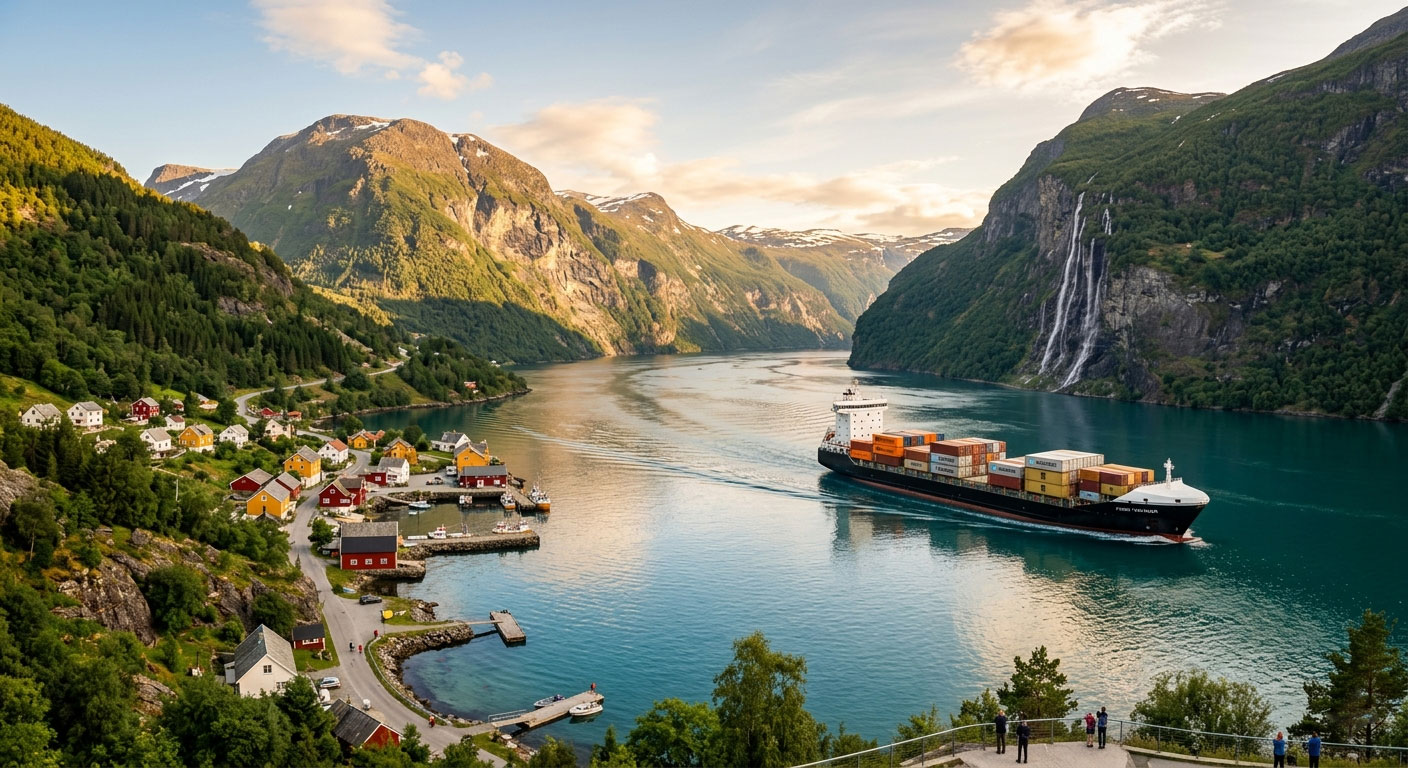
The distance between Pakistan and Norway is substantial, typically covering over 6,000 kilometers as the crow flies, and much more by sea or road. This vast expanse means your cargo will traverse multiple borders, climates, and potentially, transit hubs in the Middle East or other European countries. Key departure points in Pakistan often include major port cities like Karachi and industrial hubs such as Lahore and Islamabad. Upon arrival, goods typically enter Norway via major ports like Oslo, Bergen, or Stavanger, or airports in Oslo (Gardermoen) and other regional cities. The journey involves navigating diverse terrains, from the arid landscapes of Pakistan to the often-snowy fjords of Norway, each presenting its own set of challenges, from extreme temperatures to potential weather-related delays. Understanding these geographical nuances is the first step in appreciating the intricate dance of international logistics.
Common Cargo Types: From Textiles to Technology
The variety of items shipped as Pakistan to Norway International Freight is incredibly diverse, reflecting both personal needs and robust commercial ties. From personal belongings and household goods for expatriates or returning citizens to commercial products, the range is vast. Pakistan is renowned for its textile industry, so shipments often include garments, fabrics, and leather goods. Other common cargo types include:
- Personal Effects: Furniture, clothing, books, and other household items for individuals relocating.
- Commercial Goods: Textiles, surgical instruments, sporting goods, rice, and other agricultural products.
- Industrial Components: Machinery parts, electrical equipment, and raw materials for manufacturing.
- Specialized Equipment: Medical devices, IT hardware, or even art and antiques, which require particular care and handling.
Each cargo type comes with its own specific packaging, documentation, and regulatory requirements, underscoring the need for expert handling.
Primary Modes of Transport: Air Freight vs. Sea Freight
Choosing the right mode of transport is perhaps the most critical decision when sending Pakistan to Norway International Freight. It boils down to a fundamental trade-off: speed versus cost.
- Air Freight:
- Advantages: Unbeatable speed, making it ideal for time-sensitive cargo, perishables, high-value goods, or urgent spare parts. It offers higher security and less handling, reducing the risk of damage.
- Disadvantages: Significantly more expensive than sea freight, especially for heavy or voluminous shipments. Subject to strict size and weight restrictions.
- Best For: Urgent commercial samples, medical supplies, high-value electronics, or personal items needed quickly.
- Typical Transit Times: Generally ranges from 5 to 10 days, including customs clearance and final delivery.
- Sea Freight:
- Advantages: The most cost-effective option for large volumes, heavy items, or non-urgent shipments. Offers greater capacity, allowing for full container loads (FCL) or less than container loads (LCL) where your goods share space in a container.
- Disadvantages: Much slower transit times compared to air freight. Less frequent departures (though major routes are regular). Increased handling can sometimes elevate the risk of minor damage.
- Best For: Household goods, bulk commercial orders (e.g., textiles, machinery), vehicles, or any cargo where budget is a primary concern and time is less critical.
- Typical Transit Times: Can range from 30 to 45 days, depending on the specific ports, transshipment points, and customs processing.
The decision often comes down to balancing your budget with your deadline, and a seasoned freight forwarder can help you weigh these options effectively.
Factors Influencing Transit: The Unseen Variables
While you might choose a specific mode of transport, several external factors can significantly impact the speed and cost of your Pakistan to Norway International Freight.
- Weather Conditions: Severe weather events, such as monsoon seasons in Pakistan or harsh winters in Norway, can cause delays in both air and sea transport, affecting flight schedules and port operations.
- Customs Processing Times: The efficiency of customs in both Pakistan and Norway plays a huge role. Delays can occur due to incomplete documentation, random inspections, or peak processing periods.
- Carrier Schedules & Port Congestion: Unforeseen changes in carrier schedules, vessel breakdowns, or congestion at major transit ports can lead to roll-overs (where cargo is delayed to the next available vessel/flight) or extended waiting times.
- Fuel Surcharges: Fluctuations in global fuel prices directly impact shipping costs, often reflected in bunker adjustment factors (BAF) for sea freight and fuel adjustment factors (FAF) for air freight.
- Holidays and Peak Seasons: Major holidays (e.g., Eid in Pakistan, Christmas in Norway, or Chinese New Year affecting global supply chains) can lead to reduced capacity, increased rates, and longer transit times. Planning around these periods is crucial for smooth logistics.
Key Considerations for a Smooth Journey: Expertise You Can Trust
Navigating the intricacies of international shipping demands a keen eye for detail and a thorough understanding of procedural requirements
Navigating the intricacies of international shipping demands a keen eye for detail and a thorough understanding of procedural requirements. This is where expertise truly makes a difference, turning potential headaches into smooth sailing for your Pakistan to Norway International Freight.
Documentation Demystified: The Paperwork Puzzle
Perhaps the most common cause of delays and frustrations in international shipping is incorrect or incomplete documentation. Think of these documents as your cargo’s passport and visa – without them, it simply won’t travel. For your Pakistan to Norway International Freight, you’ll typically need:
Commercial Invoice
- This is more than just a bill; it’s a declaration of the goods being shipped, their value, and terms of sale. Accuracy is paramount here, as it’s used for customs valuation and duty assessment. A common mistake is undervaluing goods to save on duties, which can lead to hefty fines and severe delays if caught.
- Packing List: Detailing the contents of each package, including dimensions, weight, and quantity. This helps customs officials verify the contents and aids in inventory management.
- Bill of Lading (for Sea Freight) / Airway Bill (for Air Freight): These are contracts between the shipper and the carrier, acting as a receipt for the goods and a document of title. They specify the origin, destination, consignee, and terms of carriage. Ensure all details match your commercial invoice and packing list perfectly.
Certificates of Origin
- Often required to determine if goods qualify for preferential tariff treatment under trade agreements. For example, if your goods are truly manufactured in Pakistan, this certificate proves it.
- Special Permits/Licenses: Depending on the nature of your goods, you might need additional permits. This could include phytosanitary certificates for agricultural products, health certificates for certain food items, or export licenses for controlled goods. For instance, shipping certain types of textiles might require specific declarations regarding origin and materials.
Expert Tip: Always keep digital and physical copies of all documents. Cross-verify every detail across all forms. A single typo can lead to significant hold-ups at either end. A good freight forwarder will guide you through each form, ensuring everything is in order before your cargo even leaves Pakistan.
Customs & Regulations: Navigating the Norwegian Landscape
Norway, while not part of the European Union (EU), is a member of the European Economic Area (EEA), meaning it largely adheres to EU single market rules concerning goods. This has significant implications for Pakistan to Norway International Freight.
- Import Duties and VAT (Value Added Tax): Most goods entering Norway are subject to import duties and VAT. The duty rate varies significantly based on the Harmonized System (HS) code of your product, which is an internationally standardized system of names and numbers to classify traded products. VAT in Norway is generally 25%, but reduced rates apply to certain goods like foodstuffs. A common pitfall is underestimating these costs, leading to unexpected expenses upon arrival.
- Restricted or Prohibited Items: Norway has strict regulations on what can be imported. Prohibited items include certain types of firearms, narcotics, and highly flammable materials. Restricted items might include alcohol, tobacco, medicines, and certain agricultural products, which require special permits or are subject to quotas. Always check the official Norwegian Customs (Tollvesenet) website or consult your freight forwarder for the latest list before shipping.
- Compliance with EU/EEA Standards: Goods must meet relevant safety, health, and environmental standards. For example, electronics must comply with CE marking requirements, and certain chemicals might be subject to REACH regulations. Failure to comply can result in goods being returned, destroyed, or heavy fines.
Field-Tested Advice: Don’t assume. Always declare the true value and nature of your goods. Transparency with customs authorities, guided by your freight partner, is the fastest route to clearance. Attempting to bypass regulations is a costly and time-consuming mistake.
Packaging & Labeling Best Practices: Protecting Your Investment
Proper packaging is the unsung hero of international freight. Your goods will endure significant handling, vibrations, and varying environmental conditions during their journey from Pakistan to Norway.
- Robust Outer Packaging: Use high-quality, durable cartons, crates, or pallets suitable for international transit. Double-wall corrugated boxes are often a minimum for individual items. For heavier or fragile items, custom wooden crates might be necessary.
- Internal Protection: Employ ample cushioning materials like bubble wrap, foam, or packing peanuts to prevent movement within the package. Ensure fragile items are individually wrapped and suspended within the box.
- Moisture Protection: Given the potential for varying climates and sea travel, consider using moisture barriers or desiccants, especially for sensitive electronics, textiles, or documents.
- Clear and Durable Labeling: Each package must be clearly labeled with the consignee’s full address, contact details, tracking number, and any necessary handling instructions (e.g., “Fragile,” “This Way Up”). Labels should be weather-resistant and securely affixed to at least two sides of the package.
FAQs – Pakistan to Norway International Freight
1. What shipping options are available from Pakistan to Norway?
We offer both air freight and sea freight services, depending on your budget, urgency, and cargo size.
2. How long does cargo take from Pakistan to Norway?
Air freight usually takes 5–10 days, while sea freight may take 25–40 days depending on the shipping schedule.
3. Is door-to-door delivery available?
Yes, most freight services provide convenient door-to-door delivery from Pakistan to Norway.
4. What items can be shipped internationally?
You can ship personal items, commercial goods, documents, and household items, except restricted or prohibited goods.
5. How is the shipping cost calculated?
Costs depend on weight, dimensions, shipping method (air or sea), and delivery location in Norway.
Conclusion
Pakistan to Norway international freight services provide a reliable and efficient way to move goods across borders. Whether you need fast air shipping or cost-effective sea freight, professional logistics solutions ensure your cargo reaches safely and on time. With secure handling, flexible options, and door-to-door convenience, businesses and individuals can trust international freight services for smooth and hassle-free delivery.
Want to know more about our Cargo Service? Check out our Blog for tips, updates, and everything you need to ship safely and quickly! Or Contact Us.
One Reply to “Pakistan to Norway International Freight – Fast & Reliable Cargo”
555329
05 Sep 2026So,I like it