

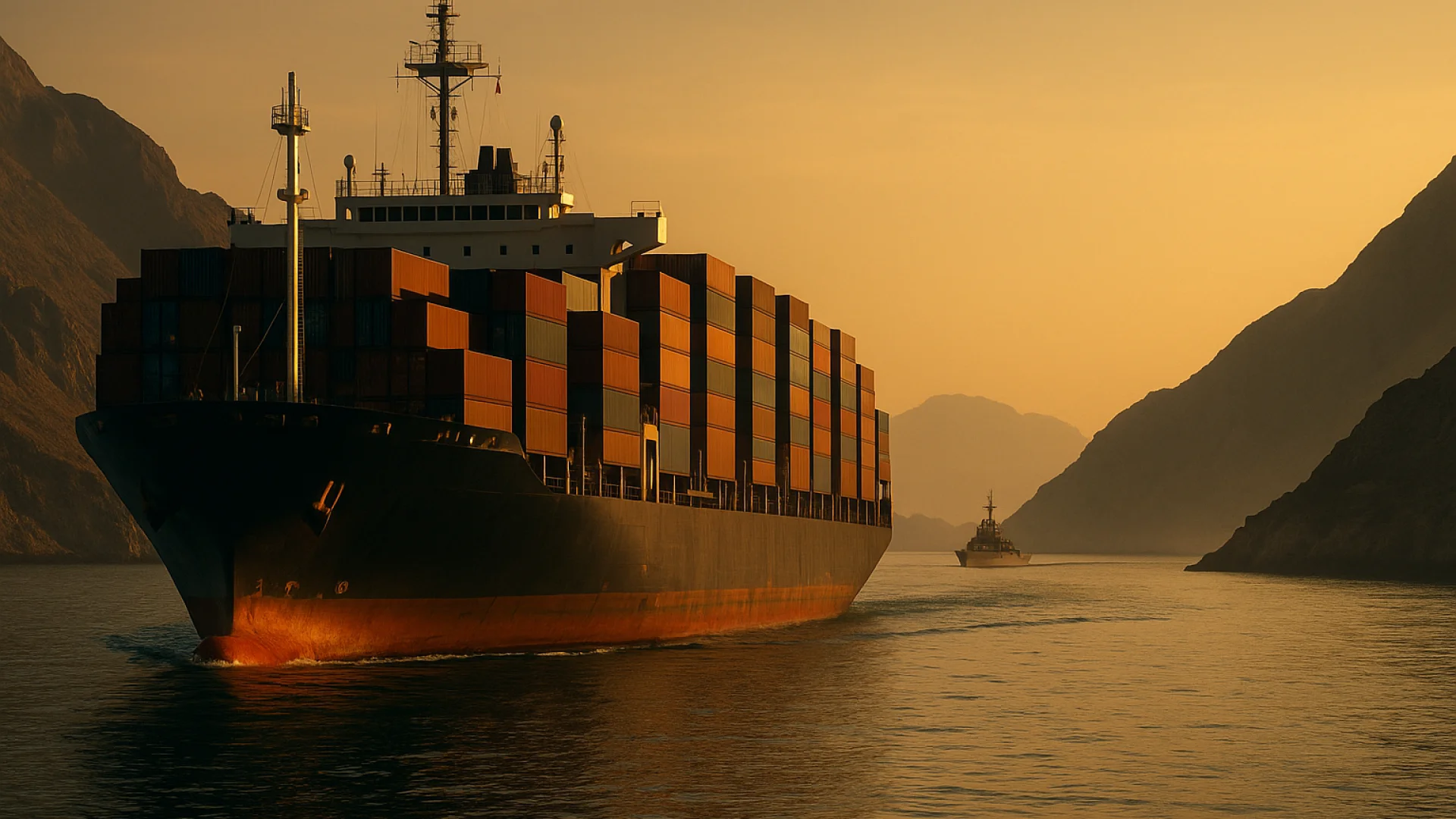
In this article we are going to discuss Status of cargo services by ship and certain geographical arteries are indispensable. Among these, the Strait of Hormuz is arguably the most critical. It is also one of the most consistently scrutinized. It connects the oil-rich Persian Gulf to the vast Arabian Sea. This narrow waterway is more than just a passage. It is a vital chokepoint and a lifeline for global energy markets.
Anyone involved in shipment by sea must understand the operational realities of this strait. Today, it operates under a unique and perplexing condition. It is officially open, yet undeniably restricted. This delicate paradox demands a detailed exploration. We must grasp what it means for the status of cargo services by ship and the broader implications for international commerce.
Geopolitical Crucible: Why the Strait of Hormuz Matters So Much
The Strait of Hormuz is an anomaly of geography and geopolitics. At its narrowest point, it is barely 21 nautical miles wide. The shipping lanes themselves are only two miles wide in each direction. This tight squeeze serves as the sole maritime outlet for massive amounts of energy. It moves significant oil and liquefied natural gas (LNG) from Saudi Arabia, Iran, Iraq, Kuwait, Qatar, and the UAE.
Its strategic location makes it an unavoidable conduit for global energy supplies. Estimates show that 20% of the world’s petroleum liquids pass through here. A third of the world’s seaborne oil transits through this strait daily. This route is also crucial for LNG carriers and container ships. Bulk carriers transporting raw materials rely on it heavily. Any disruption immediately sends ripples through global markets. It triggers instant volatility in oil and gas prices.
Historical Flashpoints and Geopolitics
Historically, the Strait has been a stage for numerous flashpoints. We saw the “Tanker War” during the 1980s. More recently, incidents involved vessel seizures and attacks on tankers. Heightened naval activity remains a constant reality. These events underscore the region’s inherent instability.
Complex geopolitical rivalries and international sanctions drive this tension. Consequently, the status of cargo services by ship through Hormuz is tied to international security dynamics. The Strait’s importance extends far beyond economics. It is a strict barometer for global energy security.
Deconstructing “Open but Restricted”
The phrase “officially open but restricted” might sound contradictory. However, it perfectly captures the operational reality in the Strait of Hormuz. “Open” signifies there is no formal closure of the waterway. Vessels are legally permitted to transit safely. There is no UN Security Council resolution prohibiting passage. This is a crucial distinction. A formal closure would trigger a massive international crisis.
However, “restricted” paints a picture of heightened security concerns. Tangible constraints significantly impact maritime activities. This isn’t about physical barriers in the water. It is about an elevated threat environment. It dictates the measures taken by nations, shipping companies, and insurers.
Naval Presence and Security Measures
A primary sign of this restricted status is the increased naval presence. Multiple national navies maintain a significant footprint. Forces from the United States, the United Kingdom, and Gulf states are active. They conduct patrols, surveillance, and provide vessel escorts. This deters hostile actions and reassures commercial shipping. This presence offers a layer of security. However, it also creates the feel of a militarized zone.
Insurance Impacts on the Status of Cargo Services by Ship
The most financially impactful consequence is the “War Risk” designation. The Joint War Committee (JWC) classifies the Strait as a high-risk zone. This classification immediately triggers higher insurance premiums for transiting vessels. War risk insurance premiums can add hundreds of thousands of dollars to a voyage.
This directly impacts the profitability and overall status of cargo services by ship. Insurers assess the risk based on intelligence and past incidents. They adjust premiums according to the geopolitical climate. This is a very real, substantial expense for shippers and carriers.
The Current Status of Cargo Services by Ship Through Hormuz
Despite the heightened risks, commercial shipping continues unabated. Each day, a steady stream of vessels navigates the narrow passage. Crude oil tankers, LNG carriers, and container ships uphold the global supply chain. This continuity highlights the immense resilience of the maritime industry.
However, this continuity requires heavily modified procedures. These have become standard practice for vessels in the region. Shippers have integrated advanced security measures into their voyage planning. This includes deploying Privately Contracted Armed Security Personnel (PCASP) teams. Companies also harden vessels against potential attacks. Crew welfare and mental health support are now paramount.
How Security Impacts Transit Times
Increased vigilance invariably impacts transit times and potential delays. The physical distance through the Strait is short. However, maintaining high situational awareness takes time. Adhering to naval security checks can add unpredictability to schedules.
Following designated naval escorts also slows down typical voyages. A transit that might take a few hours can easily be extended. This creates knock-on effects for downstream logistics. For time-sensitive freight, these delays alter the status of cargo services by ship significantly.
Navigational Challenges and Operational Realities
Operating here demands a heightened level of preparedness. It is an environment of constant, strict vigilance. Enhanced security measures are no longer optional extras. They are foundational requirements. Shipping companies routinely invest in the physical hardening of their vessels. They install anti-grapple barriers, razor wire, and reinforced doors.
Advanced surveillance equipment is fully integrated. Radar, thermal cameras, and acoustic devices help detect threats. Adherence to International Guidelines is a legal imperative. The IMO’s ISPS Code provides a comprehensive security framework. Ships must conduct assessments and develop active security plans. Compliance dictates insurance terms and protects the crew.
How Protocols Affect the Status of Cargo Services by Ship
Crew welfare and training take on elevated significance. Operating in a high-risk zone imposes psychological stress on seafarers. Shipping companies must provide rigorous emergency response training. Robust welfare support and psychological first aid are vital.
Maritime Domain Awareness (MDA) is the absolute cornerstone of safe transit. This involves leveraging real-time intelligence from multiple sources. Accurate data on vessel movements allows for safe route planning. Without robust MDA, vessels would navigate completely blind. This directly protects the status of cargo services by ship in volatile waters.
Economic Repercussions on Global Supply Chains
The restricted status of the Strait carries profound economic repercussions. It influences international trade dynamics across the globe. The most tangible impact is increased operating costs. Higher war risk insurance premiums are a direct financial burden.
Hiring PCASP teams and installing security equipment costs money. Fuel surcharges may be levied due to route diversions. These added expenses are passed down the entire supply chain. They inevitably impact freight rates and end-consumer prices.
Financial Realities and the Status of Cargo Services by Ship
Any perceived threat can trigger immediate impacts on commodity prices. Rumors of disruption can cause crude oil prices to spike. LNG prices often react sharply to regional news. This volatility directly affects energy-dependent manufacturing industries.
Ongoing uncertainty challenges global supply chain resilience. Businesses must factor in potential delays and increased shipping costs. Some companies explore alternative, longer shipping routes. Others diversify their sourcing to reduce reliance on the Gulf region. These shifts change the global status of cargo services by ship entirely.
Future Outlook and Strategic Considerations
Forecasting the future of the Strait of Hormuz is complex. Shipping stakeholders must engage in robust scenario planning. Scenarios range from continued restrictions to periods of sudden de-escalation. Escalations triggered by regional conflicts are also highly possible.
Each scenario carries distinct implications for the status of cargo services by ship. Businesses need comprehensive risk mitigation strategies. Contingency planning is critical for identifying alternative shipping routes. Diversification of supply chains is a long-term strategic imperative.
Diplomacy and Long-Term Adaptations
The role of diplomacy cannot be overstated here. Sustained diplomatic efforts are crucial for de-escalating regional tensions. Multilateral engagements ensure basic freedom of navigation.
Long-term adaptations for energy companies are already fully underway. Investments in alternative infrastructure, like bypassing pipelines, are gaining traction. Companies are actively re-evaluating their global sourcing strategies. They seek to build resilient supply chains to buffer against maritime disruptions.
Trusted Sources and Expert Guidance
Navigating these complexities requires reliable, up-to-date information. Relying on credible sources ensures safety, compliance, and operational efficiency. International Maritime Organizations serve as foundational resources. The IMO sets global standards for international shipping security.
Relying on Government Advisories
Government Advisories offer real-time threat assessments. The US Maritime Administration (MARAD) issues detailed warnings for mariners. The UK Maritime Trade Operations (UKMTO) acts as a primary contact point. These advisories are indispensable for safe voyage planning.
Engaging specialized maritime security firms is a prudent step. They provide bespoke real-time threat assessments and consultancy. Finally, maintaining close communication with insurance underwriters is critical. They are the true experts in assessing and pricing maritime risk.
FAQ: Understanding Transit Through the Strait of Hormuz
Q1: Is the Strait of Hormuz officially closed to commercial shipping? No, the Strait of Hormuz is not officially closed. It remains an internationally recognized waterway. Vessels are legally permitted to transit safely. The term “restricted” refers to the heightened security environment and operational adjustments.
Q2: How do increased security measures impact the cost of shipment by sea? Increased security measures significantly raise the cost of shipment. These costs stem primarily from higher “war risk” insurance premiums. Additionally, there are major expenses for deploying armed security personnel and vessel hardening.
Q3: What is the role of international naval forces in the Strait of Hormuz? International naval forces deter hostile actions and reassure commercial shipping. They conduct active patrols, surveillance, and provide escorts. Organizations like UKMTO also serve as vital communication links for maritime domain awareness.
Conclusion: Final Thoughts on the Status of Cargo Services by Ship
The Strait of Hormuz embodies a highly complex paradox. It is a vital artery that operates under pervasive restriction. Its enduring significance to global trade cannot be overstated. Its operational status remains a massive focal point for logistics professionals worldwide.
While cargo flows continue, they do so under strict vigilance. Shippers face increased complexity and severe financial implications. The challenges range from navigating geopolitical tensions to managing soaring insurance premiums.
For all stakeholders, adaptive strategies are entirely non-negotiable. Informed decision-making and strict adherence to protocols are essential. The ability to navigate this uncertainty defines global supply chain resilience. Stay informed with our updates on global shipping lanes. Consult with experts to tailor a secure strategy, keeping the status of cargo services by ship in mind for your specific needs.
Want to check Status of cargo services by ship ?
Contact JK Cargo today and get your free quote. Experience the most affordable, reliable, and professional cargo service Worldwide.
Want to know more about our Cargo Service? Check out our Blog for tips, updates, and everything you need to ship safely and quickly! Or Contact Us.