

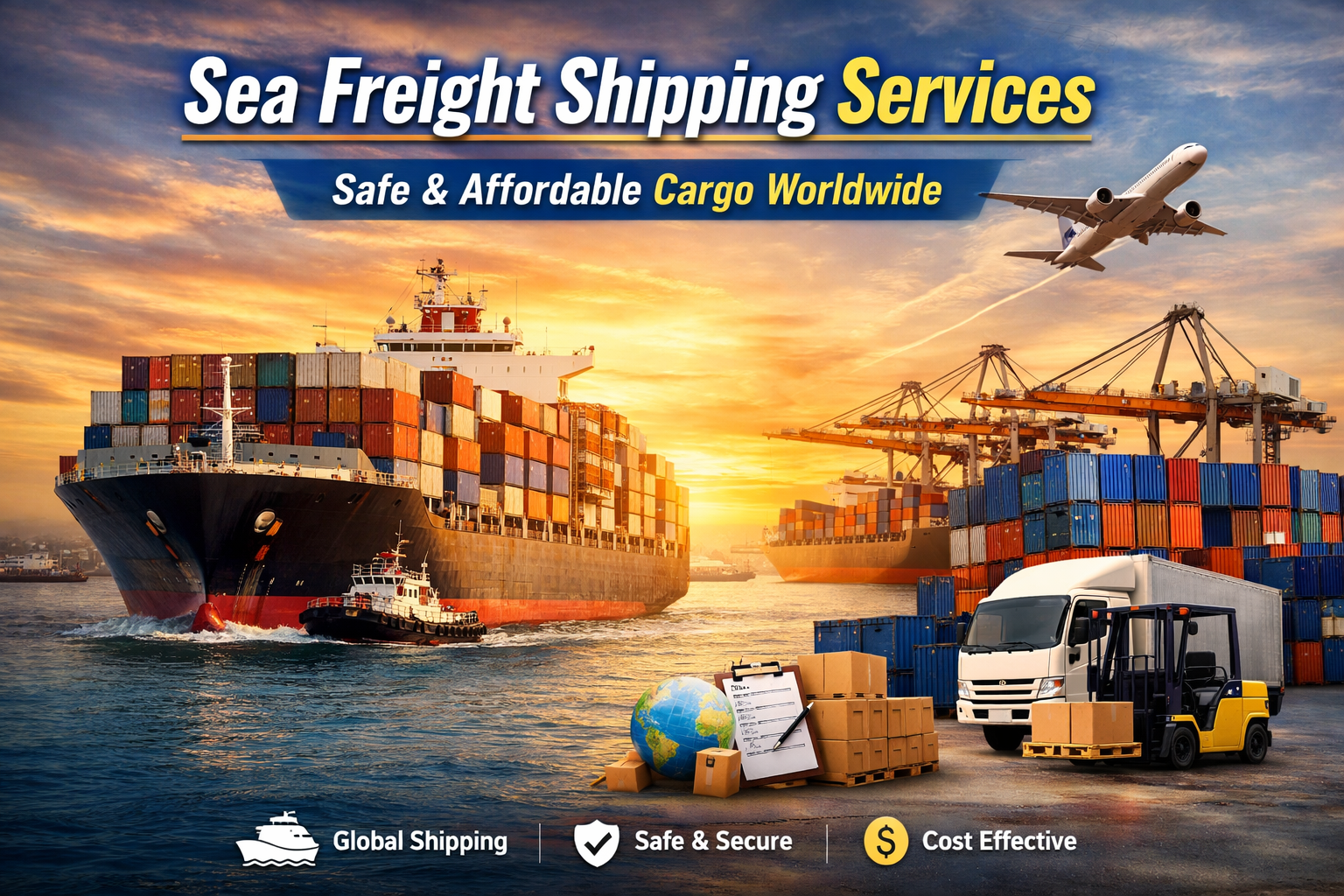
In today’s interconnected world, shipping goods across countries has become a vital part of both business and personal needs. Whether you are exporting products for your business or sending personal belongings abroad, choosing the right shipping method can save you time, money, and stress. Sea freight shipping services offer a safe, reliable, and cost-effective solution for transporting goods internationally. From large shipments to smaller packages, sea freight provides flexible options to meet a variety of needs. In this guide, we will explore everything you need to know about reliable sea freight shipping, including its benefits, types of services, the shipping process, and tips to make your cargo shipping smooth and affordable.
Reliable Sea Freight Shipping Services – Safe & Affordable Cargo Worldwide
In today’s globalized world, transporting goods internationally is a critical part of business operations and personal shipping needs. Whether you are a business owner exporting products or an individual sending personal items abroad, choosing the right shipping method can make a huge difference in terms of cost, safety, and efficiency. Among the various options available, sea freight shipping services have proven to be one of the most reliable and affordable ways to move goods across countries and continents.
This article explores everything you need to know about reliable sea freight shipping services, including benefits, types of services, the shipping process, tips for reducing costs, and why choosing a trusted shipping partner is essential.
What is Sea Freight Shipping?
Sea freight shipping, also known as ocean freight, is the method of transporting goods via cargo ships over seas and oceans. Unlike air freight, which is faster but more expensive, sea freight is ideal for transporting large or heavy shipments at a lower cost. It allows businesses and individuals to send goods globally without paying high fees.
Sea freight is commonly used for various cargo, including raw materials, machinery, electronics, vehicles, and personal belongings. It is especially suitable for shipments that are too large or heavy for air freight.
Advantages of Sea Freight Shipping
Choosing sea freight has several benefits that make it a preferred choice for both businesses and individuals:
Cost-Effective Shipping
Sea freight is significantly cheaper than air freight, especially for large volumes of cargo. Shipping companies can consolidate goods into containers, reducing the overall shipping cost per item.Global Reach
Sea freight services cover almost every part of the world. Major shipping companies operate in multiple countries, ensuring that your cargo can reach any international destination.Safe and Reliable
Professional shipping companies handle cargo carefully and provide insurance options, making sea freight a safe choice for transporting valuable or fragile items.Flexibility
Sea freight can accommodate a variety of cargo types, including refrigerated goods, oversized items, and hazardous materials. You can choose containers and services that best fit your shipment needs.Environmentally Friendly
Shipping goods by sea produces a lower carbon footprint compared to air freight. For businesses looking to reduce their environmental impact, sea freight is an eco-friendly option.
Types of Sea Freight Shipping Services
Sea freight services vary depending on cargo size, type, and destination. Here are the main types:
1. Full Container Load (FCL)
FCL shipping is when a full container is booked exclusively for one shipment. This method is suitable for large shipments that can fill an entire container. Benefits include:
Greater security as goods are not shared with others
Faster handling at ports
Reduced risk of damage
2. Less Than Container Load (LCL)
LCL shipping allows smaller shipments to share a container with other cargo. This is cost-effective for individuals or businesses that don’t have enough goods to fill an entire container. Key advantages:
Lower shipping costs
Efficient use of space
Ideal for small or medium-sized shipments
3. Refrigerated Shipping (Reefer Containers)
Refrigerated containers are used for perishable goods like food, medicine, or plants. These containers maintain a controlled temperature, ensuring the cargo remains fresh and safe during transit.
4. Specialized Cargo Shipping
Certain shipments require special handling due to size, weight, or hazard status. Examples include:
Open-top containers for oversized machinery
Flat rack containers for vehicles and heavy equipment
Containers designed for hazardous chemicals
5. Break Bulk Shipping
Break bulk involves shipping items that are too large for containers. These goods are loaded individually onto the ship’s deck or hold. Common break bulk cargo includes steel, timber, and industrial machinery.
How to Choose a Reliable Sea Freight Shipping Service
Choosing a trustworthy sea freight company is crucial for safe and timely delivery. Here are factors to consider:
Experience and Reputation
Look for companies with proven experience in international shipping. A company with a strong track record can handle complex shipments and unexpected issues effectively.Global Network
Companies with a wide network of partners, agents, and ports can make shipping easier, especially for international customs clearance and local delivery.Transparent Pricing
Avoid companies with hidden fees. Transparent pricing allows you to plan your budget and avoid surprises.Cargo Tracking
Modern shipping companies offer real-time tracking systems so you can monitor your shipment from departure to delivery.Customer Support
Reliable companies provide 24/7 customer service to address questions, concerns, or emergencies during transit.
Sea Freight Shipping Process
Understanding the sea freight process helps ensure smooth shipping. Here’s a step-by-step overview:
Step 1: Booking and Documentation
After selecting a shipping company, you must book your shipment and provide essential documents, such as invoices, packing lists, and customs declarations. Proper documentation prevents delays during shipping and customs clearance.
Step 2: Cargo Packaging
Proper packaging is crucial for safety. Fragile items should be well-padded, and all goods should be secured to avoid movement during transit. Shipping companies often provide guidance on recommended packaging.
Step 3: Container Loading
Goods are loaded into containers. For FCL, your shipment occupies the full container. For LCL, shipments from multiple customers are consolidated into one container.
Step 4: Transport to Port
Cargo is transported from the warehouse to the departure port using trucks or trains.
Step 5: Sea Transit
The container is loaded onto a cargo ship and transported to the destination port. Transit times vary depending on distance and shipping routes.
Step 6: Customs Clearance
Once the cargo reaches the destination, customs procedures are completed. Accurate documentation ensures smooth clearance without extra charges.
Step 7: Delivery to Destination
After customs clearance, the cargo is transported to the final delivery address, completing the shipping process.
Tips to Reduce Sea Freight Shipping Costs
Shipping by sea is affordable, but there are ways to further reduce expenses:
Plan Ahead
Booking early can save money and avoid last-minute rush fees.Consolidate Shipments
Combine multiple shipments into one container to lower costs.Select the Right Container Size
Avoid paying for excess space. Choose a container that fits your cargo precisely.Proper Packaging
Well-packaged cargo reduces damage risks and avoids insurance claims.Compare Quotes
Obtain quotes from multiple shipping companies to find the most cost-effective option.Flexible Shipping Dates
If your delivery timeline is flexible, you may choose slower shipping options at a lower cost.Negotiate with Shipping Companies
Businesses that ship regularly can negotiate discounted rates with freight forwarders.
Why Reliable Sea Freight Shipping Services Matter
Choosing a reliable shipping company is critical because it affects:
Delivery Time: Experienced companies ensure on-time delivery.
Cargo Safety: Proper handling and packaging prevent damage.
Cost Efficiency: Transparent pricing prevents hidden charges.
Customer Satisfaction: Smooth shipping builds trust for repeat business.
For example, JKC Cargo offers a trusted sea freight shipping service that is both safe and affordable. They provide door-to-door delivery, real-time tracking, and support for all types of cargo worldwide.
Frequently Asked Questions (FAQs)
Q1: How long does sea freight shipping take?
A1: Transit times depend on distance and shipping routes. Typically, shipping from Pakistan to the UK takes 20–30 days, while regional routes may be shorter.
Q2: Is sea freight more affordable than air freight?
A2: Yes. Sea freight is cheaper, especially for large or heavy shipments. Air freight is faster but significantly more expensive.
Q3: Can I ship fragile items by sea?
A3: Absolutely. Proper packaging and insurance ensure safe transport of fragile goods.
Q4: What types of cargo can I ship?
A4: Sea freight can handle almost any cargo type, including perishable goods, heavy machinery, electronics, and personal belongings.
Q5: How do I track my shipment?
A5: Most shipping companies provide real-time tracking systems. You can monitor your cargo at every stage of the journey.
Conclusion
Reliable sea freight shipping services are essential for businesses and individuals who want to transport goods safely and affordably worldwide. Sea freight offers cost savings, flexibility, and the ability to handle large or complex shipments. By choosing a reputable shipping company, planning ahead, and understanding the shipping process, you can ensure your cargo reaches its destination securely and on time.
Whether you are sending personal items, exporting products, or moving industrial goods, affordable and reliable sea freight shipping is the smart choice for global transport.
If you want smooth international shipping, always choose a company that offers reliable service, transparent pricing, and strong customer support.
For more guidance, you can explore door-to-door cargo service to understand how professional shipping works.
Additionally, you can reference industry standards and prohibited item lists for safety and compliance on sites like wikipedia