

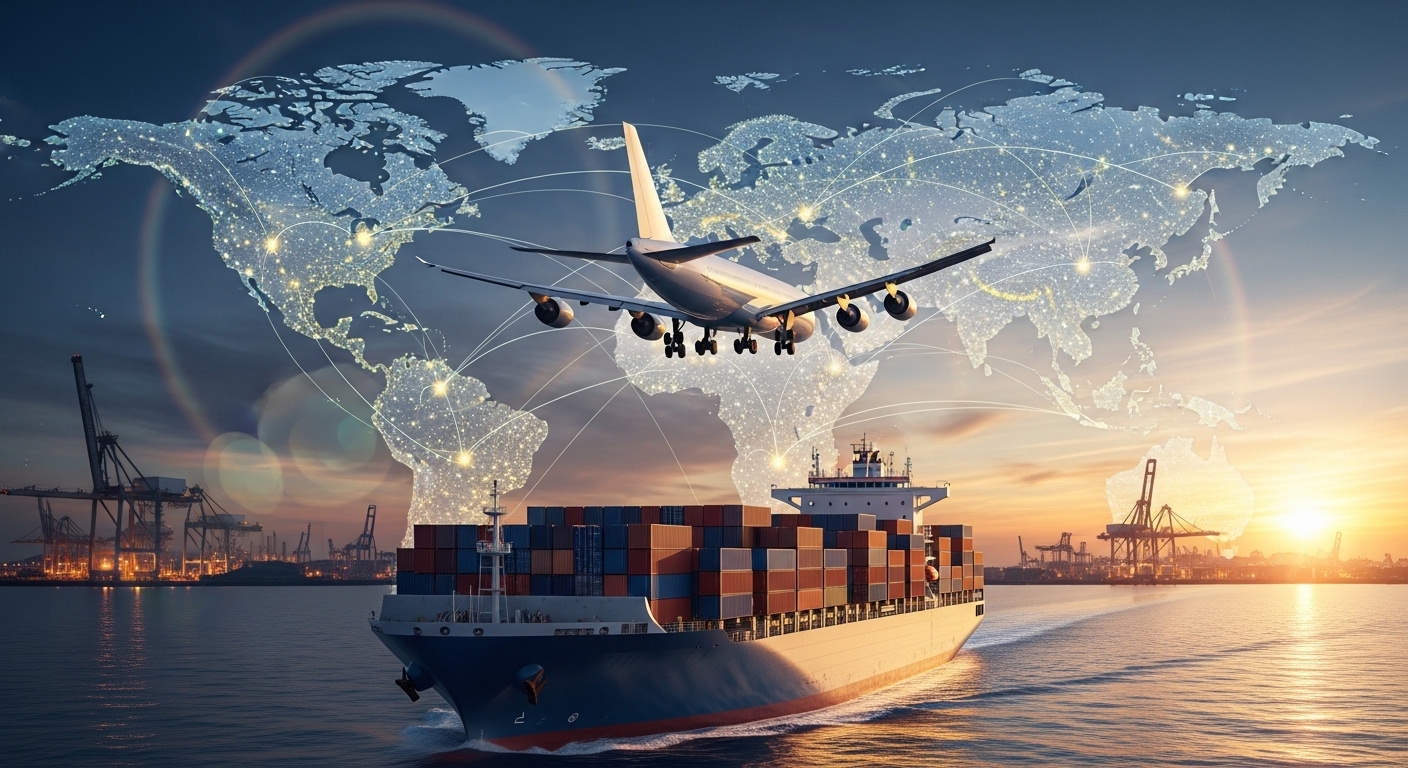
Global Cargo Solutions: Navigating the Complexities of International Logistics
In today’s interconnected world, the ability to move goods across borders efficiently and reliably is paramount for businesses of all sizes. Global cargo solutions are not merely about transportation; they encompass a sophisticated network of planning, execution, and management of goods movement from origin to destination worldwide. Essentially, these solutions form the backbone of international trade, ensuring that raw materials reach factories and finished products arrive on consumers’ doorsteps, irrespective of geographical barriers. Therefore, understanding the intricacies of these services is crucial for sustained business growth and competitive advantage.
The Essence of Global Cargo Solutions
At its core, global cargo management involves a comprehensive suite of services tailored to facilitate the international movement of freight. This includes everything from customs brokerage and freight forwarding to warehousing and distribution. Consequently, an effective strategy for global cargo solutions empowers companies to expand their market reach, reduce operational costs, and enhance customer satisfaction. Moreover, it addresses the complex regulatory landscapes and logistical challenges inherent in cross-border trade. Many companies, for instance, rely on expert providers to manage these complexities, allowing them to focus on their core business operations. Thus, a robust global cargo solution acts as a strategic enabler in the global economy.
Diverse Modes of Global Cargo Solutions
Choosing the appropriate mode of transport is a critical decision in international logistics, directly impacting cost, speed, and reliability. Different cargo types and delivery requirements necessitate varied approaches, highlighting the versatility of available global cargo solutions.
Ocean Freight: The Backbone of International Trade
Ocean freight remains the most cost-effective solution for shipping large volumes of goods across vast distances. It is particularly suitable for non-urgent, heavy, or bulky cargo. Shippers typically choose between Full Container Load (FCL) and Less than Container Load (LCL) services. FCL is ideal when a business has enough cargo to fill an entire container, offering dedicated space and often faster transit times. In contrast, LCL allows multiple shippers to share space within a single container, thereby reducing costs for smaller consignments. However, LCL shipments may involve more handling and slightly longer transit times due to consolidation and deconsolidation processes. Therefore, careful planning is essential when opting for sea transport.
Air Freight: Speed and Urgency
For time-sensitive shipments, air freight offers unparalleled speed and efficiency. This mode is indispensable for high-value goods, perishable items, or urgent deliveries where speed is a priority over cost. While significantly more expensive than ocean freight, air cargo minimizes transit times, reduces the need for extensive warehousing, and can sometimes lower insurance costs due to shorter exposure to risk. Nevertheless, air freight is subject to strict size and weight restrictions, and fuel surcharges can fluctuate, impacting overall costs. Consequently, businesses must weigh the benefits of speed against the higher expenditure.
Road and Rail Freight: Connecting the Dots
It is, moreover, crucial for last-mile delivery. Rail freight, conversely, is an efficient and environmentally friendly option for moving large volumes of goods over long distances, particularly across landmasses. The combination of different transport modes, known as intermodal transport, leverages the strengths of each, creating seamless and optimized global cargo solutions. For example, goods might travel by sea, then transfer to rail, and finally complete their journey by road.
Overcoming Challenges in Global Cargo Solutions
The landscape of international logistics is fraught with challenges that require expert navigation. Successful implementation of global cargo solutions depends heavily on proactively addressing these hurdles.
Customs and Regulatory Compliance
Navigating the complex web of international customs regulations, tariffs, and trade agreements is a significant challenge. Each country has its own set of rules, documentation requirements, and import/export restrictions. Furthermore, non-compliance can lead to severe delays, fines, and even seizure of goods. Therefore, partnering with a provider that possesses deep expertise in customs brokerage is indispensable for smooth cross-border operations. They can ensure accurate documentation, proper classification of goods, and adherence to all legal requirements, thus preventing costly disruptions.
Supply Chain Visibility and Transparency
In an increasingly digital world, businesses demand real-time visibility into their shipments. Lack of transparency can lead to inefficiencies, delays, and an inability to respond quickly to unforeseen events. Modern global cargo solutions leverage advanced tracking technologies, such as GPS, IoT sensors, and sophisticated logistics software, to provide end-to-end visibility. This allows companies to monitor their cargo’s location, status, and estimated arrival times, thereby enabling proactive decision-making and improved customer communication. Consequently, enhanced visibility builds trust and improves operational control.
Risk Management and Security
International shipping is inherently exposed to various risks, including theft, damage, natural disasters, and geopolitical instability. Implementing robust risk management strategies is therefore paramount. This includes comprehensive cargo insurance, secure packing, route optimization to avoid high-risk areas, and robust security protocols at every stage of the supply chain. Furthermore, contingency planning for potential disruptions ensures business continuity. A reliable provider of global cargo solutions will have established procedures to mitigate these risks effectively.
Cost Optimization
Managing the costs associated with international shipping is a continuous challenge. These costs include freight charges, customs duties, taxes, insurance, warehousing, and administrative fees. Optimizing these expenses without compromising service quality requires strategic planning and negotiation. For instance, consolidating shipments, optimizing routes, leveraging economies of scale, and exploring various pricing models can significantly reduce overall logistics expenditures. Moreover, efficient inventory management can also contribute to cost savings by reducing storage needs.
Key Benefits of Strategic Global Cargo Solutions
Embracing well-planned global cargo solutions offers a multitude of advantages that can propel businesses forward.
- Enhanced Efficiency and Speed: Streamlined processes and optimized routes lead to faster transit times and more predictable delivery schedules. This efficiency translates into quicker market entry and improved inventory turnover.
- Reduced Operational Costs: By optimizing transport modes, routes, and customs procedures, businesses can significantly lower their logistics expenditures, improving their bottom line. Furthermore, reduced delays mean fewer unexpected costs.
- Improved Customer Satisfaction: Timely and reliable delivery, coupled with transparent tracking, enhances the customer experience, fostering loyalty and repeat business. Consequently, a strong reputation for dependability is built.
- Market Expansion Opportunities: Effective global cargo solutions remove logistical barriers, enabling businesses to confidently explore and enter new international markets. Therefore, new revenue streams become accessible.
- Greater Resilience and Adaptability: A well-structured logistics network, backed by experienced providers, can better withstand disruptions and adapt to changing market conditions or unforeseen events. This agility is crucial in volatile global markets.
Choosing the Right Global Cargo Solutions Partner
Selecting the ideal logistics partner is a pivotal decision that can significantly impact a company’s international trade success. Businesses should consider several factors when evaluating potential providers of global cargo solutions.
- Expertise and Experience: Look for a partner with a proven track record in handling diverse cargo types and navigating complex international routes. Their experience in specific regions or industries can be invaluable. Moreover, their knowledge of local regulations is critical.
- Network and Reach: A robust global network ensures seamless connections and efficient handling of cargo across multiple countries and continents. This includes access to various carriers, warehouses, and distribution centers. Therefore, wider reach often means more flexibility.
- Technology and Innovation: Modern logistics demands advanced technological capabilities, including sophisticated tracking systems, supply chain management software, and data analytics. A tech-savvy partner can provide greater visibility and efficiency. Furthermore, innovative solutions can drive competitive advantage.
- Customer Service and Communication: Clear, proactive communication and responsive customer support are essential for resolving issues quickly and keeping clients informed. A dedicated account manager can be a significant asset. Consequently, strong communication fosters trust.
- Sustainability Practices: With increasing global emphasis on environmental responsibility, choosing a logistics partner committed to sustainable practices (e.g., carbon reduction, eco-friendly transport options) can enhance a company’s brand image. This alignment can also meet regulatory requirements.
The Future Landscape of Global Cargo Solutions
The future of global cargo solutions is being shaped by several transformative trends, promising even greater efficiency, transparency, and sustainability.
Digitalization and AI
Digital transformation is revolutionizing logistics. Artificial intelligence (AI) and machine learning are being used for predictive analytics, optimizing routes, forecasting demand, and automating administrative tasks. Furthermore, blockchain technology is enhancing transparency and security in supply chain transactions. These technologies are set to make global cargo solutions more intelligent and responsive. Consequently, human error will be reduced, and decision-making will be data-driven.
Sustainability and Green Logistics
Environmental concerns are driving a shift towards more sustainable logistics practices. This includes adopting greener transportation methods (e.g., electric vehicles, alternative fuels), optimizing packaging to reduce waste, and implementing carbon offsetting programs. Consequently, companies are increasingly seeking partners committed to reducing their ecological footprint. Furthermore, regulatory pressures are pushing for cleaner supply chains.
E-commerce Impact
The explosive growth of e-commerce has fundamentally altered consumer expectations, demanding faster, more flexible, and transparent delivery services. Global cargo solutions are adapting to this demand by developing more robust last-mile delivery networks, micro-fulfillment centers, and advanced inventory management systems. Therefore, the ability to handle high volumes of smaller, individual shipments efficiently is paramount.
Geopolitical Shifts
Global trade policies, geopolitical tensions, and regional economic agreements constantly evolve, posing both opportunities and challenges for international logistics. A flexible and resilient global cargo solutions strategy must be able to adapt quickly to these shifts, leveraging new trade routes and mitigating risks associated with political instability. Consequently, strategic adaptability is more crucial than ever.
FAQs
1. What are global cargo solutions?
Global cargo solutions are services and strategies that help businesses transport goods efficiently across international borders. They include shipping, freight forwarding, logistics management, customs clearance, and supply chain optimization.
2. How can global cargo solutions improve my supply chain?
They streamline operations by reducing transit times, minimizing delays, optimizing shipping routes, and providing real-time tracking, which leads to cost savings and improved reliability.
3. What types of cargo solutions are available?
Cargo solutions include sea freight, air freight, rail transport, road transport, multimodal logistics, and specialized services like cold chain logistics or hazardous goods handling.
4. How do I choose the right cargo service provider?
Consider factors like global reach, reliability, delivery speed, cost-effectiveness, tracking systems, and customer support. Look for providers with experience in your industry and strong partnerships worldwide.
5. What role does technology play in cargo solutions?
Advanced software enables real-time tracking, inventory management, automated documentation, and predictive analytics, ensuring smooth operations and quick problem resolution.
6. Are global cargo solutions cost-effective?
Yes. By optimizing shipping routes, consolidating shipments, and reducing delays, cargo solutions help businesses save on transportation costs and avoid losses due to inefficiencies.
Conclusion
Global cargo solutions are essential for businesses seeking to streamline their supply chains and stay competitive in the fast-paced global market. By leveraging reliable logistics services, advanced technologies, and expert strategies, companies can ensure timely deliveries, reduce costs, and enhance customer satisfaction. Investing in comprehensive cargo solutions is not just about moving goods—it’s about creating a seamless, efficient, and resilient supply chain.
want to read more articles click here.
all credit goes to UDM.