

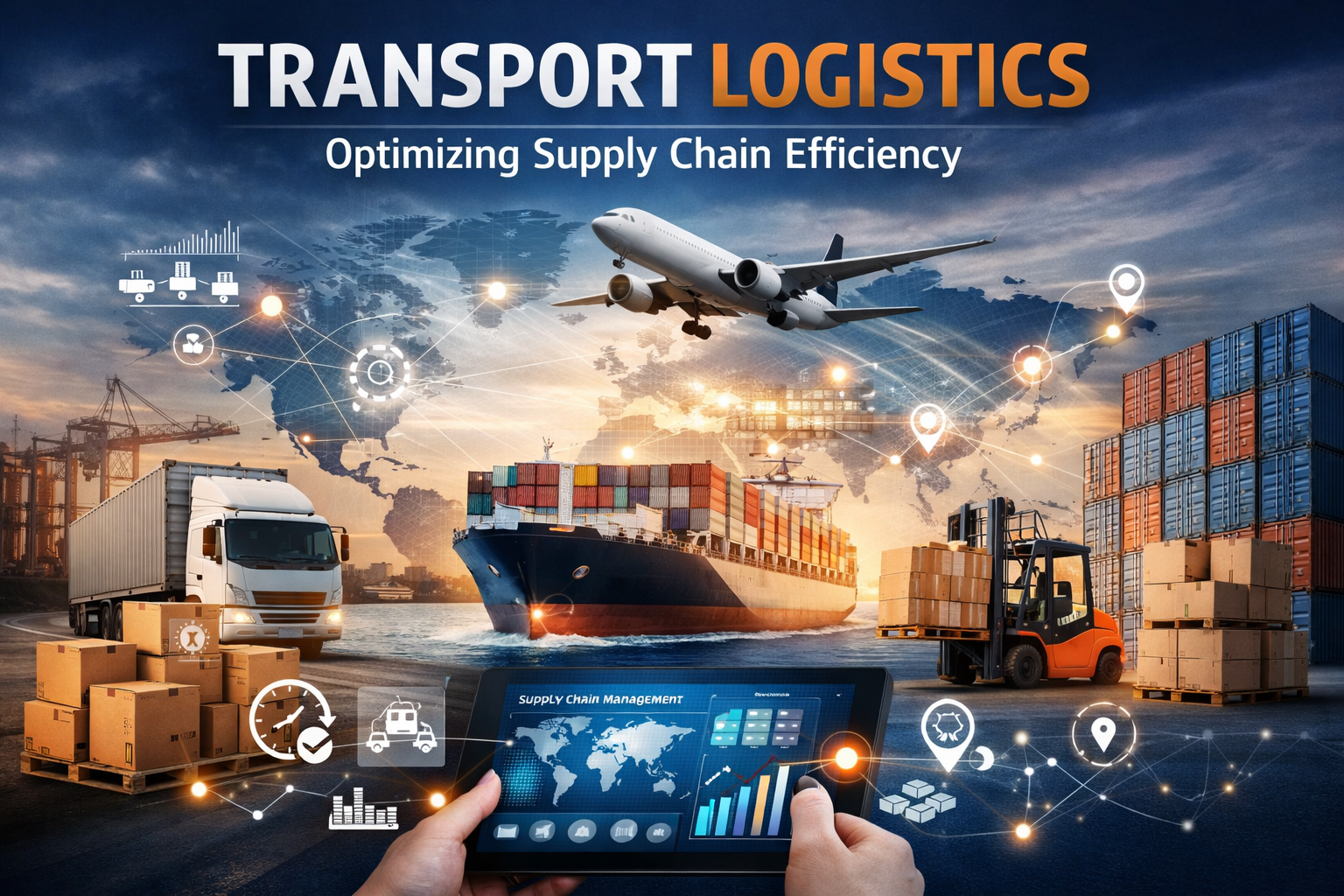
Transport Logistics: Optimizing Supply Chain Efficiency
In today’s interconnected global economy, the movement of goods from their origin to their final destination is a complex dance of planning, execution, and optimization. This intricate process is known as transport logistics. It encompasses the detailed organization and implementation of a complex operation, specifically concerning the movement of resources, goods, and information. Effectively managing transport logistics is not merely about moving items; furthermore, it involves strategic decisions that significantly impact a company’s bottom line, customer satisfaction, and overall operational fluidity. Therefore, understanding its nuances is paramount for any business aiming to thrive in competitive markets.
What is Transport Logistics?
Transport logistics refers to the process of planning, implementing, and controlling the efficient, effective forward and reverse flow and storage of goods, services, and related information between the point of origin and the point of consumption to meet customers’ requirements. Essentially, it’s the backbone of the supply chain, ensuring products arrive at the right place, at the right time, and in the right condition. This discipline covers a broad spectrum of activities; consequently, it demands meticulous attention to detail and proactive management.
Key Components of Transport Logistics
Successful transport logistics relies on several interconnected components, each playing a vital role.
- Planning & Strategy: This initial phase involves defining the optimal routes, selecting appropriate modes of transport, and forecasting demand. Moreover, it includes setting up contingency plans for unforeseen disruptions.
- Execution & Management: Once planned, the actual movement of goods begins. This involves coordinating carriers, managing documentation, and ensuring compliance with regulations. In addition, real-time tracking becomes crucial here.
- Monitoring & Optimization: Continuous oversight of transport operations is essential. Data analysis helps identify bottlenecks, inefficiencies, and areas for improvement. Consequently, adjustments can be made to enhance performance and reduce costs.
The Critical Role of Transport Logistics in Supply Chains
The importance of well-managed transport logistics cannot be overstated. It directly influences several critical business aspects.
Cost Reduction
Efficient transport logistics significantly minimizes operational costs. By optimizing routes, consolidating shipments, and negotiating favorable rates with carriers, companies can reduce fuel expenses, labor costs, and warehousing fees. For instance, advanced route planning software can shave off substantial mileage.
Customer Satisfaction
Timely and reliable delivery is a cornerstone of customer satisfaction. When products arrive as expected, customers are more likely to be happy and return. Conversely, delays or damaged goods can severely tarnish a brand’s reputation. Therefore, robust logistics ensure customer loyalty.
Operational Efficiency
Streamlined transport processes contribute to overall operational efficiency. This includes faster inventory turnover, reduced lead times, and better utilization of assets. Furthermore, it allows businesses to respond more quickly to market changes and customer demands.
Risk Mitigation
Effective transport logistics includes strategies to mitigate risks such as theft, damage, and delays. This involves selecting secure routes, utilizing reliable carriers, and implementing robust insurance policies. Hence, it safeguards valuable cargo and maintains business continuity.
Types of Transport in Logistics
A diverse array of transport modes is available, each with its own advantages and disadvantages. The choice of mode heavily depends on factors like cost, speed, cargo type, and destination.
Road Freight
Road transport is highly flexible, offering door-to-door service and making it ideal for short to medium distances. It is particularly suitable for last-mile delivery. However, it can be susceptible to traffic congestion and fuel price fluctuations.
Rail Freight
Rail transport is cost-effective for moving large volumes of goods over long distances, especially bulk commodities. It is also more environmentally friendly than road transport. Nevertheless, it lacks flexibility and requires intermodal transfers for door-to-door delivery.
Ocean Freight
For international trade and moving extremely large quantities of goods, ocean freight is often the most economical option. While slow, it offers unparalleled capacity. However, transit times can be lengthy, and port congestion can cause delays.
Air Freight
Air freight is the fastest mode of transport, making it indispensable for urgent or high-value shipments. It offers excellent security and reliability. On the other hand, it is the most expensive option, limiting its use to specific types of cargo.
Intermodal Transport
Intermodal transport combines two or more different modes of transport, such as road, rail, or sea, without handling the freight itself when changing modes. This approach often optimizes cost, speed, and flexibility. For example, a container might travel by rail, then truck.
Challenges in Modern Transport Logistics
The landscape of transport logistics is constantly evolving, presenting various challenges for businesses.
Fuel Price Volatility
Fluctuating fuel prices directly impact transportation costs, making budgeting and pricing difficult. Businesses must therefore adapt quickly to these changes, often by implementing fuel hedging strategies or exploring alternative fuels.
Regulatory Compliance
Navigating complex and ever-changing national and international regulations, including customs duties, safety standards, environmental laws, and labor regulations across different jurisdictions, is a significant hurdle. Non-compliance can lead to hefty fines, shipment delays, and reputational damage, making careful adherence absolutely essential.
Infrastructure Limitations
Inadequate or aging infrastructure, such as congested roads, limited port capacity, or inefficient rail networks, can significantly impede the smooth flow of goods. This often leads to increased transit times, higher operational costs, and reduced reliability, demanding strategic investments and collaborative solutions.
Labor Shortages
The logistics industry frequently faces shortages of skilled labor, including truck drivers, warehouse personnel, and logistics managers. This demographic challenge is exacerbated by an aging workforce and difficulties in attracting new talent, impacting service levels and driving up labor costs across the supply chain.
Technological Adoption
While technology offers numerous solutions to enhance efficiency and visibility, the initial investment, the complexity of integration with existing systems, and the need for continuous training can be daunting for many companies. Staying abreast of technological advancements and wisely choosing scalable solutions is therefore crucial for competitive advantage.
Strategies for Optimizing Transport Logistics
To overcome challenges and enhance efficiency, businesses can implement several key strategies in their transport logistics operations.
Leveraging Technology: TMS, GPS, IoT
Investing in robust technology solutions is paramount. A Transportation Management System (TMS) can automate planning, execution, and optimization processes, providing a centralized platform for managing all freight operations. GPS tracking offers real-time visibility of shipments, enabling proactive problem-solving, while IoT devices provide critical insights into cargo conditions like temperature and humidity. Consequently, these integrated tools lead to smarter, more responsive decisions and improved service delivery.
Route Optimization & Planning
Advanced algorithms and software can analyze multiple variables, including traffic patterns, weather forecasts, road conditions, and delivery windows, to determine the most efficient routes. This not only significantly reduces fuel consumption and driver hours but also minimizes transit times and carbon footprint. Furthermore, dynamic route optimization allows for real-time adjustments, improving overall delivery reliability and customer satisfaction.
Warehouse Management Integration
Seamless integration between transport and warehouse management systems (WMS) is crucial for a cohesive supply chain. This synergy ensures efficient loading, unloading, and cross-docking operations, minimizing dwell times and improving inventory flow. By synchronizing these two critical functions, businesses can reduce handling errors, accelerate order fulfillment, and achieve a more fluid logistical process.
Carrier Relationship Management
Developing strong, collaborative relationships with a diverse network of reliable carriers is vital. This enables better negotiation of rates, improved service levels, and greater flexibility during peak seasons or unforeseen disruptions. Moreover, fostering trust and open communication with carriers can lead to innovative solutions and a more resilient transportation network, ultimately benefiting the end customer.
Data Analytics for Performance Improvement
Collecting and analyzing comprehensive data from all aspects of transport operations provides invaluable insights into performance and potential areas for improvement. Key performance indicators (KPIs) such as on-time delivery rates, cost per mile, transit times, and carbon emissions can be tracked and benchmarked. Subsequently, this data informs strategic decisions for continuous improvement, allowing businesses to identify inefficiencies, predict future trends, and optimize resource allocation proactively.
The Future of Transport Logistics
The future of transport logistics is poised for significant transformation, driven by technological advancements and evolving global demands.
Automation & AI
Autonomous vehicles, drones for last-mile delivery, and AI-powered predictive analytics are set to revolutionize how goods are moved. These innovations promise greater efficiency and reduced human error.
Sustainability & Green Logistics
Increasing environmental concerns are pushing the industry towards more sustainable practices. This includes electric vehicles, optimized routing to reduce emissions, and a focus on reverse logistics for recycling and waste reduction. Consequently, green initiatives are gaining traction.
E-commerce Impact
The explosive growth of e-commerce continues to demand faster, more flexible, and more transparent delivery solutions. This puts pressure on logistics providers to innovate and scale rapidly.
Global Supply Chain Resilience
Recent global events have highlighted the need for more resilient and agile supply chains. Future transport logistics will focus on diversified sourcing, localized production, and robust contingency planning to withstand disruptions.
Frequently Asked Questions (FAQ)
What is the primary goal of transport logistics?
The primary goal of transport logistics is to ensure the efficient, effective, and timely movement of goods from their point of origin to their final destination. This involves optimizing routes, minimizing costs, enhancing reliability, and meeting customer expectations, all while adhering to regulatory requirements.
How does technology impact transport logistics?
Technology profoundly impacts transport logistics by introducing automation, improving visibility, and enabling data-driven decision-making. Systems like TMS, GPS tracking, IoT sensors, and AI-powered analytics help optimize routes, manage fleets, predict demand, and enhance overall operational efficiency and security.
What are common challenges in transport logistics?
Common challenges in transport logistics include fluctuating fuel prices, navigating complex international and domestic regulations, dealing with infrastructure limitations (e.g., congested roads or ports), managing labor shortages, and keeping pace with rapid technological advancements. Overcoming these requires strategic planning and adaptability.
Conclusion
Transport logistics is undeniably a complex yet indispensable function for businesses operating in the modern economy. From strategic planning and efficient execution to continuous monitoring and optimization, every aspect contributes to a company’s success. By embracing technological innovations, adopting sustainable practices, and proactively addressing challenges, organizations can enhance their supply chain efficiency, reduce costs, and ultimately deliver superior value to their customers. The future promises even greater transformation, underscoring the need for adaptability and forward-thinking strategies in this dynamic field.
want to read more articles click here.
all credit goes to UDM