

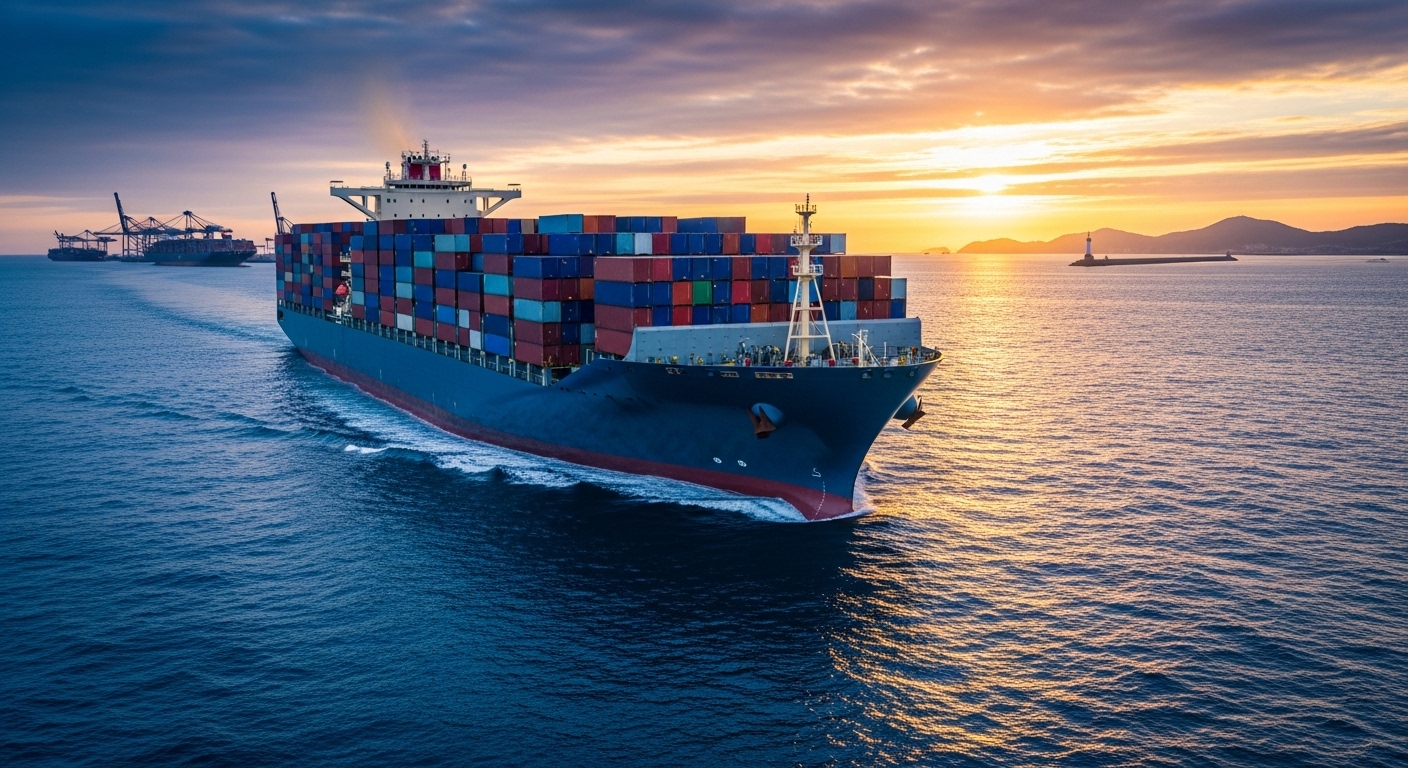
Sea cargo shipping: Your Global Logistics Guide
Sea cargo shipping stands as the backbone of international trade, facilitating the movement of an astonishing 90% of the world’s goods. This method of transportation is indispensable for businesses looking to expand their reach across continents. Therefore, understanding the intricacies of sea cargo shipping is vital for efficient global logistics. This comprehensive guide will delve into its various facets, offering insights into types, processes, costs, and best practices.
Understanding Sea Cargo Shipping
What is Sea Cargo Shipping?
Sea cargo shipping, also known as ocean freight, involves transporting goods via cargo ships across seas and oceans. Essentially, it is a highly efficient and cost-effective way to move large volumes of products, from raw materials to finished consumer goods. Goods are loaded into containers or directly onto vessels, then transported from one port to another. This method has evolved significantly over centuries, becoming increasingly sophisticated with modern containerization and logistics management.
Why Choose Sea Cargo Shipping?
Businesses often opt for sea cargo shipping due to several compelling advantages. Primarily, it offers unparalleled cost-effectiveness, especially for bulk shipments or heavy items. Furthermore, ocean vessels boast immense carrying capacity, accommodating goods that other transport modes cannot. Consequently, it is an environmentally friendlier option per ton-mile compared to air freight. For international trade, it provides the necessary infrastructure to connect distant markets effectively.
Key Types of Sea Cargo Shipping
The world of sea cargo shipping offers diverse solutions tailored to specific cargo needs. Selecting the right type is paramount for efficiency and cost control.
Full Container Load (FCL)
FCL refers to a shipment where one consignee uses an entire shipping container. Typically, these are 20-foot or 40-foot containers. This option is ideal for larger shipments that can fill a container. Moreover, it offers enhanced security and faster transit times since the container isn’t opened until it reaches its destination. Ultimately, it often results in lower per-unit costs for high volumes.
Less than Container Load (LCL)
LCL involves multiple shipments from different consignees consolidated into a single container. This is perfect for smaller volumes of goods that do not require an entire container. While LCL can be more complex due to consolidation and deconsolidation, it provides a cost-effective solution for businesses with smaller import/export needs. However, transit times might be slightly longer due to the extra handling and multiple stops.
Breakbulk Cargo
Breakbulk cargo refers to goods transported individually rather than in containers. These are usually oversized, overweight, or oddly shaped items that cannot fit into standard containers, such as machinery, vehicles, or construction materials. Special handling and stowage are required for breakbulk shipments, making them more labor-intensive but necessary for certain types of freight.
Roll-on/Roll-off (RoRo)
RoRo shipping is specifically designed for wheeled cargo, including cars, trucks, buses, and other self-propelled vehicles. These vehicles are driven directly onto and off the vessel, simplifying the loading and unloading process. Therefore, it’s a highly efficient method for automotive logistics and heavy equipment transport.
Bulk Cargo
Bulk cargo consists of unpackaged goods shipped in large quantities. This category is further divided into “dry bulk” (e.g., grain, coal, iron ore) and “liquid bulk” (e.g., oil, chemicals, liquefied natural gas). Specialized bulk carriers are used for these shipments, which are loaded directly into the ship’s holds. This method is highly efficient for commodities.
The Sea Cargo Shipping Process: A Step-by-Step Overview
Navigating the sea cargo shipping process involves several critical stages, each requiring meticulous attention to detail.
Booking and Documentation
The journey begins with booking space on a vessel and preparing essential documentation. This includes the Bill of Lading (the contract between the shipper and carrier), commercial invoice, packing list, and customs declarations. Accurate documentation is crucial for smooth customs clearance and timely delivery.
Inland Transportation
Before reaching the port, goods must be transported from their origin point to the designated loading port. This might involve trucks, trains, or barges. The choice of inland transport depends on distance, cost, and infrastructure availability. Consequently, efficient pre-carriage is vital.
Port Operations and Loading
Upon arrival at the port, goods undergo inspection and are then loaded onto the vessel. For containerized cargo, this involves using cranes to lift and stack containers. Breakbulk and RoRo cargo have their specific loading procedures. Efficient port operations are indeed key to minimizing delays and optimizing turnaround times.
Ocean Transit
Once loaded, the vessel embarks on its ocean voyage. During transit, the shipping line tracks the vessel’s progress. Shippers can often monitor their cargo’s location through online tracking systems provided by carriers or freight forwarders. This transparency is increasingly important for supply chain visibility.
Customs Clearance and Unloading
Upon arrival at the destination port, the cargo must clear customs. This involves submitting all necessary documents and paying any applicable duties and taxes. After customs approval, the goods are unloaded from the vessel. Proper preparation significantly speeds up this critical phase.
Final Delivery
Finally, the cleared cargo is transported from the destination port to the consignee’s final address. Again, this typically involves inland transportation methods like trucks or rail. The entire process of sea cargo shipping concludes with the safe and timely delivery of goods to their ultimate destination.
Factors Influencing Sea Cargo Shipping Costs
The total cost of sea cargo shipping is a composite of various charges and surcharges. Understanding these components helps in budgeting and negotiation.
Freight Rates
This is the base cost charged by the carrier for transporting goods from one port to another. Freight rates vary based on the type of cargo, weight, volume, route, and current market demand. Furthermore, seasonal fluctuations can also impact these rates.
Fuel Surcharges (Bunker Adjustment Factor – BAF)
BAF is an additional charge levied by carriers to account for fluctuations in fuel prices. Since fuel is a significant operational cost, this surcharge helps stabilize shipping line profitability against volatile oil markets. Therefore, it’s a common component of ocean freight pricing.
Currency Adjustment Factor (CAF)
CAF compensates carriers for currency fluctuations, especially when freight rates are quoted in a currency different from the operational costs. It helps mitigate financial risks associated with exchange rate volatility. Consequently, it protects carriers from unfavorable currency movements.
Port Charges and Terminal Handling Charges (THC)
These are fees collected by ports or terminal operators for handling cargo. They cover services like loading, unloading, stacking, and moving containers within the terminal. Both origin and destination ports typically charge THCs. These charges are a standard part of the shipping process.
Customs Duties and Taxes
These are government-imposed levies on imported goods, calculated based on the cargo’s value, type, and origin. Proper classification of goods is essential to avoid delays and incorrect charges. Ultimately, these fees contribute significantly to the total landed cost of goods.
Insurance
While not mandatory, cargo insurance is highly recommended. It protects against loss or damage to goods during transit, providing peace of mind for shippers. The cost depends on the cargo’s value, type, and chosen coverage, offering various levels of protection.
Advantages and Disadvantages of Sea Cargo Shipping
Like any logistics solution, sea cargo shipping presents both benefits and drawbacks.
Pros: Cost-Effectiveness, Capacity, Environmental Impact
Cost-Effectiveness: For large volumes and heavy goods, sea freight is generally the most economical option, offering significant savings over air transport.
Capacity: Ocean vessels can carry enormous quantities of cargo, far exceeding other transport modes. This makes it ideal for bulk commodities and large projects.
Environmental Impact: Per ton-mile, sea freight has a lower carbon footprint compared to air freight, making it a more sustainable choice for many businesses focused on reducing their environmental footprint.
Cons: Transit Time, Flexibility, Port Congestion
Transit Time: Sea cargo shipping is considerably slower than air freight. This means longer lead times and less responsiveness to urgent market demands. Therefore, careful planning is essential.
Flexibility: Once a vessel departs, rerouting or making significant changes to the shipment can be challenging or even impossible. This lack of flexibility can be a drawback for dynamic supply chains.
Port Congestion: Ports can experience congestion, leading to delays in loading, unloading, and customs clearance. Consequently, this can impact supply chain schedules and lead to unexpected costs.
Choosing the Right Sea Cargo Shipping Partner
Selecting a reliable freight forwarder or shipping line is crucial for successful sea cargo shipping operations.
Experience and Reputation
Look for partners with a proven track record in sea cargo shipping. Experienced providers understand the complexities of international logistics and can anticipate potential issues. Always check reviews and testimonials for reliability.
Global Network
A partner with an extensive global network ensures seamless service across different regions and ports. This is especially important for businesses with diverse international markets, offering broader reach and efficiency.
Technology and Tracking
Modern logistics relies heavily on technology. Choose a partner offering advanced tracking systems, real-time updates, and efficient communication channels. This transparency is invaluable for managing expectations and monitoring shipments.
Customer Service
Responsive and knowledgeable customer service is vital. A good partner will provide clear communication, proactive problem-solving, and support throughout the entire shipping process. Ultimately, strong customer service can make a significant difference in complex international shipments.
Conclusion
Sea cargo shipping remains an indispensable component of global trade, offering unparalleled cost-effectiveness and capacity for moving goods worldwide. While it presents challenges such as longer transit times and potential for port congestion, its benefits far outweigh the drawbacks for many businesses. By understanding the various types of services, the intricate shipping process, and the factors influencing costs, companies can optimize their logistics strategies. Ultimately, partnering with a reputable and experienced freight forwarder is paramount to navigating the complexities of ocean freight successfully, ensuring efficient and reliable delivery of goods across international waters.
want to read more articles click here.
all credit goes to UDM.
Frequently Asked Questions (FAQ)
What is the main difference between FCL and LCL in sea cargo shipping?
FCL (Full Container Load) means you use an entire shipping container for your goods, ideal for larger shipments. LCL (Less than Container Load) means your goods share a container with other shipments, which is more cost-effective for smaller volumes. FCL generally offers faster transit and less handling, while LCL involves consolidation and deconsolidation, potentially adding to transit time.
How are sea cargo shipping costs determined?
Sea cargo shipping costs are influenced by several factors, including the base freight rate (port-to-port), fuel surcharges (BAF), currency adjustment factors (CAF), terminal handling charges (THC) at both origin and destination ports, customs duties and taxes, and optional insurance. The type, weight, and volume of your cargo, along with the shipping route, also play a significant role.
How long does sea cargo shipping typically take?
The transit time for sea cargo shipping varies significantly based on the origin and destination ports, the shipping route, and potential delays such as weather or port congestion. Generally, transcontinental shipments can take anywhere from 20 to 45 days, or even longer for more remote destinations. It’s crucial to factor in these longer lead times when planning your supply chain.