

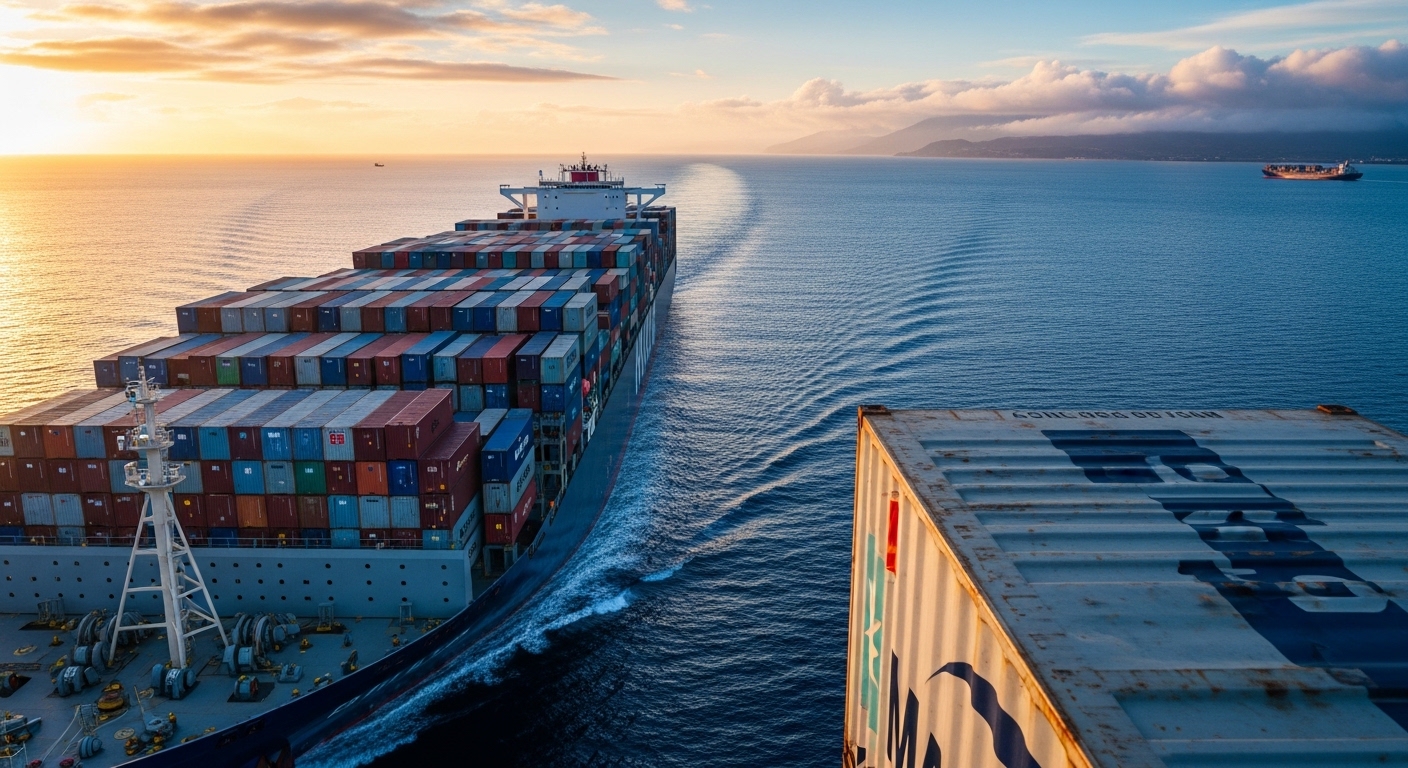
Sea freight remains one of the most reliable and cost-effective ways to move goods across the globe, whether for business or personal needs. From container shipping to bulk cargo, understanding the options, routes, and regulations can make international shipping smooth and hassle-free. In Sea Freight Services: Your Global Shipping Solution, we guide you through everything you need to know to transport goods efficiently by sea, ensuring timely delivery, safety, and peace of mind for your global shipments.
Sea freight services: Your Global Shipping Solution
In today’s global economy, efficient logistics are paramount. Among shipping methods, sea freight services stand out. This method transports goods via cargo ships across oceans. It offers unparalleled capacity and cost-effectiveness for large volumes. Indeed, sea freight forms the backbone of global supply chains. It moves everything from raw materials to finished products. Understanding its intricacies is crucial for international commerce. Therefore, this guide will explore sea freight: its benefits, cost factors, and process navigation.
What Are Sea Freight Services?
Simply put, sea freight services encompass the transportation of goods by cargo ships. This method is predominantly used for international shipping. It is ideal for large or heavy items. It is also chosen when cost efficiency is a primary concern. Various types of sea freight cater to different shipping needs. They are primarily categorized by how containers are utilized. For instance, businesses often choose between Full Container Load (FCL) and Less than Container Load (LCL) options. This depends on the volume and urgency of their shipments. Each option presents distinct advantages and considerations.
Full Container Load (FCL)
FCL shipping means your goods occupy an entire shipping container. This is true regardless of whether they fill it completely. This option is generally preferred for larger shipments. It offers dedicated space and often faster transit times. This is because the container does not need consolidation with other cargo. Moreover, FCL typically results in less handling of your goods. This reduces the risk of damage. Consequently, for businesses with sufficient volume, FCL often proves the most economical choice per cubic meter.
Less than Container Load (LCL)
Conversely, LCL shipping is ideal for smaller shipments. These do not require an entire container. In this scenario, your goods share container space with cargo from other shippers. The freight forwarder consolidates multiple LCL shipments into a single container. This then travels to the destination port. Although LCL can be more cost-effective for smaller volumes, it may involve longer transit times. This is due to additional handling and consolidation. However, it provides an excellent solution for businesses. They can ship smaller quantities without incurring the cost of an entire container.
The Advantages of Choosing Sea Freight Services
The global shipping landscape is competitive. Yet, sea freight services consistently remain a preferred choice for many businesses worldwide. This preference stems from several significant advantages. Ocean shipping offers benefits over air or land transport. Primarily, its capacity for large volumes and its cost-effectiveness make it indispensable. It is a crucial part of international trade. Additionally, environmental considerations increasingly influence shipping decisions. Here, sea freight often presents a more sustainable option.
Cost-Efficiency
Undoubtedly, cost-effectiveness is a compelling reason to choose sea freight. Shipping goods by sea is significantly cheaper than air freight. This holds true especially for bulky or heavy shipments over long distances. Furthermore, ships carry immense cargo. This distributes operational costs across a larger volume. Therefore, businesses achieve substantial logistics budget savings. These savings can then be passed on to consumers or reinvested.
High Capacity and Volume
Container ships are engineering marvels. They are capable of transporting tens of thousands of containers in a single voyage. This unparalleled capacity makes sea freight ideal for moving large quantities of goods. It also handles raw materials and even oversized or project cargo. Such items would be impractical or impossible to transport by air or land. Consequently, businesses can scale their operations. They can move significant inventory efficiently, ensuring a steady supply chain.
Environmental Considerations
Compared to air freight, ocean shipping generally has a lower carbon footprint per ton-mile. Sustainability is a critical business imperative. Many companies actively seek greener logistics solutions. Modern container ships are becoming increasingly fuel-efficient. The industry also invests in cleaner technologies and alternative fuels. Therefore, choosing sea freight aligns with a company’s environmental responsibility goals. It contributes to more sustainable global trade.
Global Reach
The vast network of seaports worldwide ensures sea freight can reach almost any corner of the globe. From major industrial hubs to remote island nations, ocean vessels connect continents and economies. This extensive global reach is crucial for businesses with international supply chains. It enables them to access diverse markets. It also allows sourcing materials from various locations. Furthermore, established shipping routes and infrastructure support reliable and consistent service.
Key Factors Influencing Sea Freight Costs
Understanding the components that contribute to the overall cost of sea freight services is vital. It enables effective budget planning and supply chain management. Several dynamic factors can influence the final price. These range from fuel prices and port charges to specific cargo characteristics. Indeed, these elements are often subject to market fluctuations. They are also affected by global economic conditions. Therefore, careful monitoring by shippers is necessary.
Fuel Surcharges (Bunker Adjustment Factor – BAF)
Fuel costs are a significant component of shipping expenses. The Bunker Adjustment Factor (BAF) is a surcharge applied by carriers. It accounts for fluctuations in fuel prices. This variable cost is typically updated regularly. It reflects the global price of bunker fuel. Consequently, changes in oil prices directly impact the overall shipping cost. This makes BAF a critical factor to monitor.
Currency Adjustment Factor (CAF)
International trade involves multiple currencies. Exchange rate fluctuations can impact carriers’ operational costs. The Currency Adjustment Factor (CAF) is a surcharge or discount applied to freight rates. It mitigates risks associated with these currency variations. This factor helps carriers maintain stable revenue despite volatile currency markets. Therefore, understanding CAF is essential when calculating international shipping expenses.
Port and Terminal Handling Charges (THC)
Upon arrival or departure from a port, cargo incurs various handling charges. Terminal Handling Charges (THC) cover the costs. These include loading and unloading containers from the vessel. They also cover moving them within the terminal and stacking them. These charges vary significantly between ports. They can represent a substantial portion of the total shipping cost. Moreover, additional port-specific fees might apply.
Cargo Type and Dimensions
The nature of the cargo itself plays a crucial role in determining freight costs. Factors include weight, volume, and dimensions. Special handling requirements also matter. Examples are refrigerated goods, hazardous materials, or oversized items. All these influence pricing. Specialized equipment or permits may be necessary for certain cargo types. This adds to the overall expense. Thus, accurate cargo declarations are paramount.
Transit Time and Route
The chosen shipping route and desired transit time also affect costs. Direct routes are generally faster. However, they can be more expensive. Conversely, routes with multiple transshipments might offer lower rates. Yet, they come with longer transit times. They also pose potentially higher risks of delays. Express sea freight options, while still slower than air freight, naturally command a premium. This is over standard services. Therefore, balancing speed and cost is often a key decision.
Navigating the Sea Freight Process
Successfully utilizing sea freight services requires a clear understanding of the operational steps. These range from initial booking to final delivery. The process can appear complex. This is due to extensive documentation and regulatory requirements. However, with a reliable freight forwarder, it becomes manageable. Indeed, meticulous planning and execution are crucial. They ensure smooth and efficient cargo movement across international borders.
Booking and Preparation
The first step involves booking space on a vessel. This is done with a shipping line or, more commonly, through a freight forwarder. During this phase, details are confirmed. These include cargo type, dimensions, origin, destination, and desired transit time. Subsequently, the shipper must prepare the cargo for shipment. This ensures it is properly packed, labeled, and secured. It must withstand the rigors of ocean transport. This preparation minimizes risks during transit.
Essential Documentation
International sea freight relies heavily on accurate and complete documentation. Key documents include the Bill of Lading (B/L). This serves as a contract of carriage, a receipt for goods, and a document of title. Additionally, commercial invoices, packing lists, and certificates of origin are required. Potentially, other permits or licenses are also needed. Errors in documentation can lead to significant delays and penalties. Therefore, careful attention to detail is paramount.
Customs Clearance
Both at the port of origin and the port of destination, cargo must undergo customs clearance. This involves submitting all necessary documentation to customs authorities. It also requires paying any applicable duties, taxes, and fees. A knowledgeable freight forwarder can significantly streamline this process. They ensure compliance with all import and export regulations. Consequently, proper customs declarations prevent costly hold-ups.
Tracking and Delivery
Once the vessel departs, cargo can typically be tracked online. This provides updates on its location and estimated arrival time. Upon arrival at the destination port, the consignee or their agent arranges for customs clearance. They then arrange for subsequent delivery of the goods from the port to their final destination. This final leg often involves trucking or rail transport. It completes the door-to-door logistics chain. Therefore, continuous communication is vital.
Choosing the Right Sea Freight Partner
Selecting an experienced and reliable partner for your sea freight services is critical. It is arguably one of the most important decisions a business can make. A competent freight forwarder acts as an extension of your logistics team. They ensure your goods move efficiently and securely across global supply chains. However, not all providers offer the same level of service or expertise. So, careful consideration is essential.
Industry Experience and Expertise
Look for a freight forwarder with a proven track record. They should have extensive experience in sea freight. Their expertise should cover various cargo types, shipping routes, and regulatory environments. An experienced partner anticipates potential challenges. They offer effective solutions, saving you time and money. Moreover, their knowledge of global trade nuances is invaluable.
Global Network and Partnerships
A strong global network of agents and partners is crucial. It ensures seamless door-to-door service. This network facilitates efficient handling at both origin and destination ports. It also aids smooth customs clearance and inland transportation. Furthermore, robust partnerships with major shipping lines provide access to competitive rates. They also offer reliable vessel space. Therefore, inquire about their global reach.
Technology and Visibility
Modern logistics demands transparency. Choose a partner that leverages advanced technology. This includes real-time tracking, digital documentation, and online booking capabilities. Enhanced visibility allows you to monitor your shipments at every stage. It provides peace of mind. It also enables proactive decision-making. Consequently, technology can significantly improve operational efficiency.
Customer Support and Communication
Excellent customer service is non-negotiable. A good freight forwarder offers clear, proactive communication. They keep you informed of your shipment’s status. They also promptly address any queries or concerns. Responsive support is especially important. This is true when dealing with the complexities and potential disruptions inherent in international shipping. Therefore, assess their communication channels and responsiveness.
Common Challenges and Solutions in Sea Freight
While sea freight services offer numerous benefits, they are not without challenges. Global shipping inherently involves variables. These can impact transit times, cargo safety, and compliance. However, with proper planning, risk management, and the right logistics partner, many hurdles can be navigated. Indeed, anticipating problems is key to smooth operations.
Managing Delays and Disruptions
Vessel delays are not uncommon. They occur due to weather, port congestion, customs inspections, or unforeseen operational issues. To mitigate impact, shippers should build buffer time into schedules. They should also consider cargo insurance. Furthermore, working with forwarders who offer alternative routing options or proactive communication regarding disruptions is beneficial. Staying informed about global events is also helpful.
Preventing Cargo Damage
Cargo can be susceptible to damage during transit. This is due to improper packing, rough handling, or adverse weather. Ensuring goods are adequately packed, braced, and secured within containers is paramount. Additionally, choosing reputable carriers and freight forwarders with good safety records helps. Considering comprehensive cargo insurance provides crucial protection. Therefore, investing in quality packaging pays off.
Adhering to Regulatory Changes
International shipping is subject to a complex, evolving web of regulations. These include customs laws, environmental standards, and security protocols. Non-compliance can result in severe penalties, delays, or even seizure of goods. Partnering with a knowledgeable freight forwarder is essential. They stay abreast of these changes, maintaining compliance. Consequently, legal adherence is non-negotiable.
The Future of Sea Freight Services
The landscape of sea freight services is continuously evolving. It is driven by technological advancements, increasing environmental concerns, and the demand for greater efficiency. The industry is on the cusp of significant transformation. Digitalization, sustainability initiatives, and automation are set to reshape ocean transport. Indeed, innovation is key to future success.
Digital Transformation
Digital technologies are revolutionizing sea freight. Examples include blockchain for secure documentation, AI for predictive analytics, and IoT for real-time container tracking. These innovations promise to enhance transparency. They also improve operational efficiency and reduce administrative burdens. Furthermore, digital platforms streamline booking and communication processes. This makes shipping more accessible.
Sustainable Shipping Practices
Environmental responsibility is a growing priority. The industry actively works towards reducing emissions. This involves developing cleaner fuels (e.g., LNG, hydrogen, ammonia). It also includes hybrid propulsion systems and optimized vessel designs. Additionally, initiatives like slow steaming and improved route planning contribute to fuel efficiency. They also lower carbon footprints. Therefore, green logistics is becoming standard.
Automation and AI
Automation is increasingly implemented in ports for container handling. AI is used for optimizing vessel routes. It also predicts maintenance needs and manages complex logistics networks. These technologies aim to enhance safety. They also reduce human error and improve operational speed and reliability. Consequently, the future port will be highly automated and intelligent.
Frequently Asked Questions (FAQ)
Q1: What is the main difference between FCL and LCL sea freight?
A1: FCL (Full Container Load) means your goods occupy an entire shipping container. This is ideal for larger shipments. LCL (Less than Container Load) means your goods share container space with other shippers’ cargo. LCL is best for smaller volumes, offering a more cost-effective solution.
Q2: How are sea freight costs typically calculated?
A2: Sea freight costs are influenced by several factors. These include fuel surcharges (BAF), currency adjustments (CAF), port handling charges (THC), cargo type, dimensions, and the chosen route. Weight and volume are also key determinants. Therefore, getting a detailed quote is essential.
Q3: How can I ensure my cargo is safe during sea transit?
A3: To ensure cargo safety, proper packing and securing within the container are crucial. Choose a reputable freight forwarder and shipping line with good safety records. Additionally, considering comprehensive cargo insurance provides financial protection against unforeseen damage or loss. Regular communication with your logistics partner also helps.
Conclusion
Sea freight services remain an indispensable pillar of global trade. They offer unparalleled cost-effectiveness, immense capacity, and a widespread global reach. While navigating the complexities of international shipping presents challenges, understanding the process, cost factors, and the importance of a reliable freight partner can simplify operations. As the industry evolves with digital advancements and sustainable practices, sea freight will continue to be a vital component of efficient global supply chains. Therefore, businesses must leverage these services strategically to optimize their logistics and foster international growth.
want to read more articles click here.
all credit goes to UDM.