

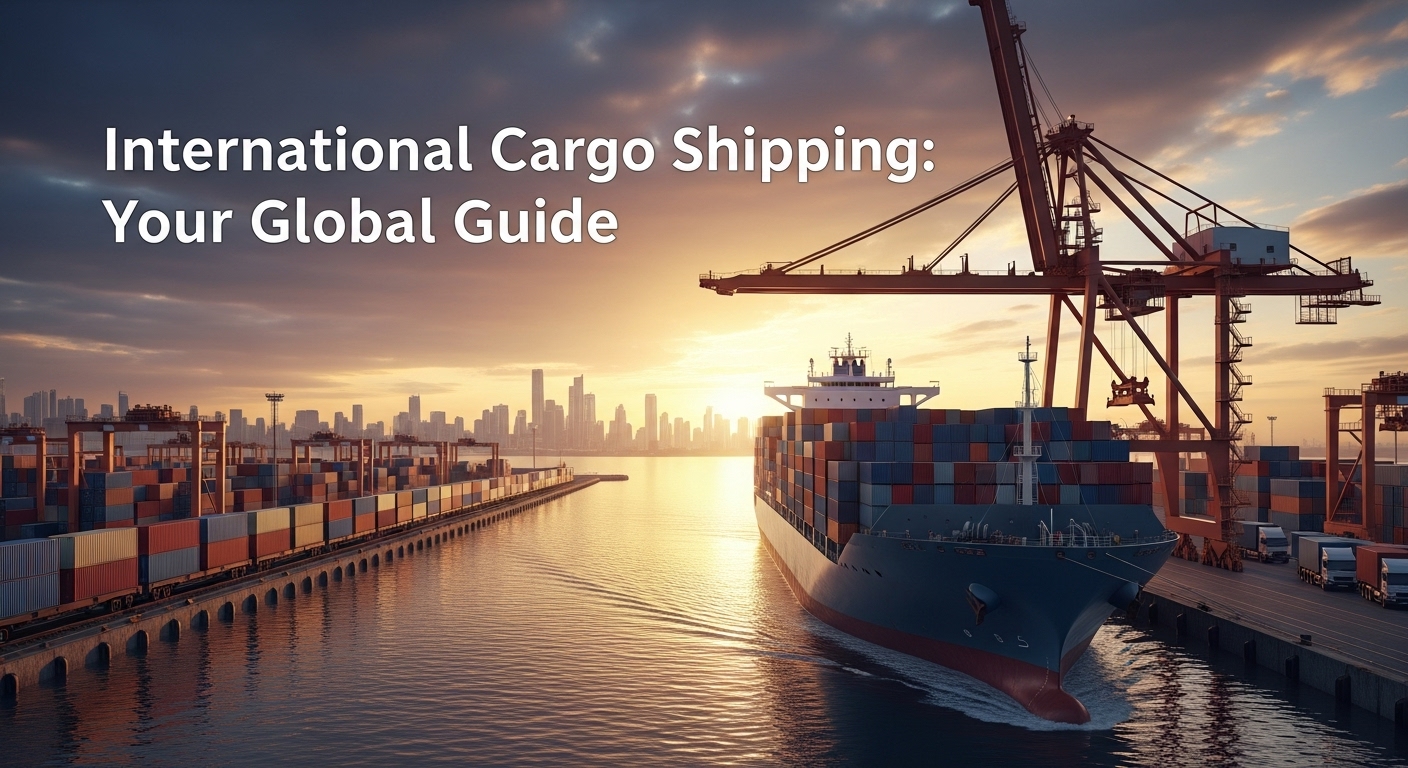
International Cargo Shipping: Your Comprehensive Global Logistics Guide
International cargo shipping forms the backbone of global commerce, connecting businesses and consumers across continents. It involves the intricate process of transporting goods from one country to another, a task that demands meticulous planning, adherence to regulations, and a deep understanding of logistics. Consequently, mastering this domain is crucial for any enterprise engaged in global trade. This guide aims to demystify the complexities involved, offering a clear roadmap for successful international deliveries.
Understanding International Cargo Shipping
At its core, international cargo shipping encompasses all activities related to moving goods across national borders. This process is far more complex than domestic shipping; therefore, it involves a multitude of stakeholders, including shippers, carriers, freight forwarders, customs authorities, and consignees. Furthermore, the sheer volume and variety of goods transported necessitate diverse shipping methods and a robust regulatory framework. Ultimately, efficient international cargo shipping ensures that supply chains remain fluid, enabling economies to thrive.
Key Modes of International Cargo Shipping
Choosing the right transport mode is paramount for effective international cargo shipping. Each option presents distinct advantages and disadvantages concerning cost, speed, and capacity.
Sea Freight: The Backbone of Global Trade
Sea freight is arguably the most common and cost-effective method for international cargo shipping, especially for large volumes and heavy goods. It involves transporting cargo in containers aboard large vessels. There are two primary options for containerized sea freight:
- Full Container Load (FCL): This option means your goods occupy an entire container, offering dedicated space and often faster transit times than LCL. Businesses with sufficient cargo to fill a container typically choose FCL. Moreover, it provides greater security as the container remains sealed from origin to destination.
- Less than Container Load (LCL): If your shipment does not fill an entire container, LCL allows you to share container space with other shippers’ cargo. While more economical for smaller shipments, it usually involves longer transit times due to consolidation and deconsolidation processes at various ports. Consequently, careful planning is essential when opting for LCL.
Benefits:* High capacity, cost-effective for bulk, reduced carbon footprint per ton-mile. *Drawbacks: Slow transit times, potential for delays, less suitable for urgent shipments.
Air Freight: Speed and Urgency
Air freight offers the fastest transit times for international cargo shipping, making it ideal for high-value, time-sensitive, or perishable goods. Cargo planes, or passenger planes with cargo holds, transport goods between international airports. Although significantly faster, this speed comes at a premium.
Benefits:* Rapid delivery, high security, reduced risk of damage or theft, ideal for urgent inventory needs. *Drawbacks: High cost, limited capacity for very large or heavy items, higher carbon footprint.
Road and Rail Freight: Continental Connections
While often associated with domestic transport, road and rail freight play a crucial role in international cargo shipping, particularly within continents or as part of a multimodal strategy. They serve as vital links for first-mile and last-mile delivery, connecting ports and airports to inland destinations.
- Road Freight: Trucks transport goods across borders, offering flexibility and door-to-door service. This is especially prevalent in regions with well-developed road networks, such as Europe and North America. Furthermore, it allows for greater control over delivery schedules.
- Rail Freight: Trains are efficient for transporting large volumes of goods over long distances, particularly across landmasses. They offer a more environmentally friendly alternative to road transport for specific routes. In addition, rail can be more cost-effective than road for bulk cargo.
Benefits:* Flexibility (road), cost-effective for bulk over long distances (rail), crucial for multimodal solutions. *Drawbacks: Subject to border delays (road), less flexible routing (rail), limited by infrastructure.
Essential Factors in International Cargo Shipping
Several critical factors influence the success and cost-efficiency of international cargo shipping operations.
Cost Considerations
Understanding the total cost is vital. This includes not only the basic freight charges but also fuel surcharges, terminal handling fees, customs duties, taxes, insurance, and any special handling fees. Therefore, obtaining a detailed quote that breaks down all potential expenses is crucial.
Transit Time and Urgency
How quickly do your goods need to reach their destination? This question dictates the choice between slower, cheaper sea freight and faster, more expensive air freight. Consequently, balancing speed with budget is a common challenge for shippers.
Cargo Type and Nature
The characteristics of your cargo significantly impact shipping requirements. Perishable goods, hazardous materials, oversized items, or fragile products all demand specific handling, packaging, and regulatory compliance. Moreover, some goods may require temperature-controlled environments.
Reliability and Security
Protecting your goods from damage, loss, or theft during transit is paramount. Choosing reputable carriers and freight forwarders with proven track records in international cargo shipping is essential. Furthermore, robust packaging and proper labeling contribute significantly to cargo security.
Navigating Customs, Regulations, and Documentation
One of the most challenging aspects of international cargo shipping is navigating the complex web of customs regulations and documentation requirements. Each country has its own rules, and non-compliance can lead to significant delays, fines, or even seizure of goods.
Customs Clearance: A Critical Hurdle
Customs clearance is the process of getting goods approved by customs authorities for entry into or exit from a country. This involves submitting accurate declarations, paying applicable duties and taxes, and complying with import/export restrictions. Therefore, a thorough understanding of these procedures is indispensable.
Required Documentation
A comprehensive set of documents is necessary for smooth international cargo shipping. Key documents include:
- Commercial Invoice: Details the transaction between buyer and seller.
- Packing List: Itemizes the contents of each package.
- Bill of Lading (for sea freight) / Air Waybill (for air freight): A contract between the shipper and carrier, also serving as a receipt for goods and a document of title.
- Certificate of Origin: Verifies the country where the goods were manufactured.
- Import/Export Licenses: Required for certain controlled goods.
- Insurance Certificate: Proof of cargo insurance.
Incoterms: Defining Responsibilities
Incoterms (International Commercial Terms) are globally recognized rules that define the responsibilities of buyers and sellers for the delivery of goods under sales contracts. They clarify who is responsible for paying and managing the shipment, insurance, documentation, and customs clearance at each stage of the international cargo shipping process. Consequently, selecting the correct Incoterm is vital to avoid disputes and ensure clarity.
The Role of a Freight Forwarder in International Cargo Shipping
A freight forwarder acts as an intermediary between the shipper and various transportation services. They specialize in organizing the entire international cargo shipping process, managing the logistics from origin to destination. Ultimately, they streamline complex operations for their clients.
What they do:
- Logistics Coordination: Booking cargo space, arranging pickup and delivery.
- Documentation Management: Preparing and processing all necessary shipping and customs documents.
- Customs Brokerage: Facilitating customs clearance.
- Consolidation: Combining smaller shipments into larger ones for efficiency.
- Warehousing: Arranging storage if needed.
- Insurance: Helping arrange cargo insurance.
Benefits of using one: Expertise in international regulations, access to a network of carriers, cost savings through consolidation, and reduced administrative burden for the shipper. Therefore, partnering with a reliable freight forwarder can significantly enhance efficiency and mitigate risks.
Mitigating Risks and Ensuring Safety
Despite careful planning, international cargo shipping inherently involves risks. Proactive measures are essential to protect your investment.
Cargo Insurance: A Necessary Precaution
While carriers have limited liability, cargo insurance provides comprehensive financial protection against loss or damage during transit. Consequently, investing in adequate insurance is a prudent decision for any international shipment. It offers peace of mind against unforeseen events.
Packaging and Labeling
Proper packaging is crucial for protecting goods from the rigors of transit, including handling, vibrations, and environmental changes. Additionally, clear and accurate labeling ensures correct identification and handling throughout the journey. This includes international shipping marks and hazard labels where applicable.
Compliance and Due Diligence
Staying updated on international trade laws, sanctions, and specific country regulations is vital. Conducting due diligence on all parties involved in your supply chain helps prevent issues related to prohibited goods or restricted entities. Furthermore, ethical sourcing practices are becoming increasingly important.
Tracking and Technology in Modern Logistics
Technological advancements have revolutionized international cargo shipping, offering unprecedented transparency and efficiency. Modern logistics platforms provide real-time tracking, allowing shippers to monitor their cargo’s journey from departure to arrival. Consequently, this enhanced visibility helps in proactive problem-solving and improved customer communication.
Digitalization streamlines documentation, reduces errors, and speeds up customs processes. Automation in warehouses and ports further optimizes handling and reduces manual labor costs. Ultimately, embracing these technologies is key to maintaining a competitive edge in the global market.
FAQs: International Cargo Shipping – Your Global Guide
1. What is international cargo shipping?
International cargo shipping is the process of transporting goods across countries by sea, air, or land, ensuring safe and timely global delivery.
2. What types of cargo can be shipped internationally?
Most goods can be shipped, including commercial products, personal items, machinery, perishables, and hazardous materials (with proper documentation).
3. How long does international cargo shipping take?
Shipping time depends on the destination, transport mode, and customs clearance. Air cargo is fastest, while sea cargo is more cost-effective but slower.
4. What documents are required for international shipping?
Common documents include a commercial invoice, packing list, bill of lading or airway bill, and customs declarations.
5. How is the cost of international cargo shipping calculated?
Costs are based on cargo weight, volume, shipping method, destination, fuel charges, and customs duties.
Conclusion (CUL)
International cargo shipping plays a vital role in global trade by connecting businesses and individuals across borders. By understanding shipping methods, documentation, and costs, you can ensure smooth, efficient, and reliable deliveries worldwide. Choosing the right cargo partner helps minimize delays and ensures your goods reach their destination safely.
learn more about International cargo services vist wikipedia
want to read more article then check this